 Minnesota Legislature
Patchwork of local policies has lawmaker saying ‘no’ to their state aid
Communities and counties that don’t toe the line when it comes to certain policies held dear to some legislators would see their state local government aid reduced or eliminated.
The parade of policy-driven penalty bills, sponsored by Rep. Steve Drazkowski (R-Mazeppa), and heard today in the House Property Tax and Local Government Finance Division, were held over for inclusion in a possible omnibus bill. They include:
- HF2107, calling for aid reductions to cities that impose their own labor regulations such as for the City of Minneapolis for its newly adopted ordinance to raise the minimum wage and rework other labor regulations;
- HF2187, reducing state aid to localities by the amount of its lobbying expenses for the previous year; and
- HF754, reducing state aid to any locality making a donations to bring the world’s fair to Minnesota in 2023.
Immigration crept into HF754 with a Drazkowski amendment that would reduce aid for so-called sanctuary cities, a local ordinance that prevents a police department from asking victims of a crime, or witnesses to a crime, for their immigration status.
DFL members were quick to react and accuse Drazkowski of going straight to the heart of local government aid.
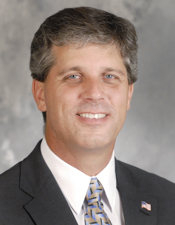
“You are setting a threshold here by linking aid to policy,” Rep. Diane Loeffler (DFL- Mpls) said.
The policy of local government aid was established in 1972 as a way to equalize public services across the state. Based on a formula, about 90 percent of Minnesota cities receive funds.
Loeffler said any linkage of aid to policy breaks the bond between state and local governments, and providing property tax fairness and access to services.
“It is not a reward and punishment system. It is a basic entitlement that we as the state have created for people to have the core needs met,” she said.
Drazkowski countered that cities are creating a “patchwork” of policies, and, in some cases could be breaking the law as it pertains to their treatment of undocumented immigrants.
“My constituents want the rule of law followed,” he said. “Some cities following the laws and others not, it creates problems.”
The bills do not have Senate companions.
Related Articles
Search Session Daily
Advanced Search OptionsPriority Dailies
Could 2026 retirements lead to record turnover in the House?
By Lisa Kaczke In the final weeks of the legislative session, House members not seeking re-election to the body have taken a turn at gaveling in a floor session.
It’s an opportunity to loo...
In the final weeks of the legislative session, House members not seeking re-election to the body have taken a turn at gaveling in a floor session.
It’s an opportunity to loo...
How short are the Legislature's short sessions?
By Lisa Kaczke Rep. Ron Kresha (R-Little Falls) was ready to end the session March 25, making the motion to adjourn sine die. But not enough of his colleagues shared that sentiment, defeating ...
