 Minnesota Legislature
Simplified reimbursement measures sought for short-term crisis stays
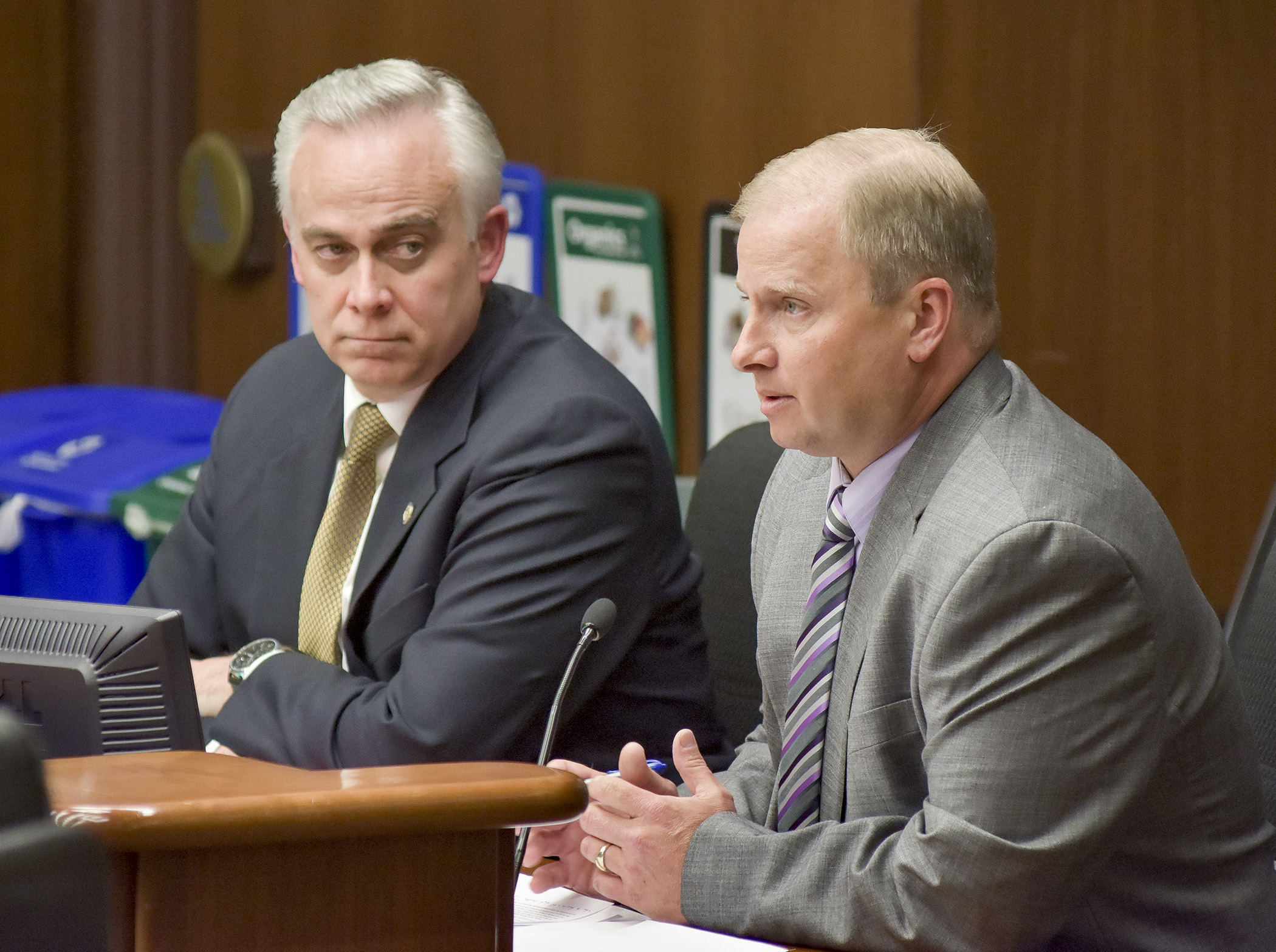
For someone undergoing a mental health crisis, a safe place to stay while getting help and deciding what to do next can makes all the difference, Rep. Tony Albright (R-Prior Lake) told the House Health and Human Services Finance Committee Thursday.
Crisis stabilization services are offered at licensed facilities and adult foster homes throughout the state, but a complicated reimbursement process causes problems for patients and providers. The application process often takes weeks, but stays usually last five days or less, which means many providers are required to absorb the costs, he said.
HF1804, sponsored by Albright, would simplify the reimbursement process by modifying eligibility requirements for group residential housing. Under the new provision, anyone on Medical Assistance receiving crisis stabilization services would automatically qualify.
It was held over, as amended, for possible inclusion in an omnibus bill. A companion, SF1205, sponsored by Sen. Matt Klein (DFL-Mendota Heights), awaits action by the Senate Human Services Reform Finance and Policy Committee.
In addition to funding the cost of a patient’s room and board, the Group Residential Housing program helps support services, including in-depth mental health assessments, referrals to long-term services, crisis treatment, counseling, skills training, and the development of stabilization and prevention plans.
WATCH Thursday's meeting of the House Health and Human Services Finance Committee
Related Articles
Search Session Daily
Advanced Search OptionsPriority Dailies
Could 2026 retirements lead to record turnover in the House?
By Lisa Kaczke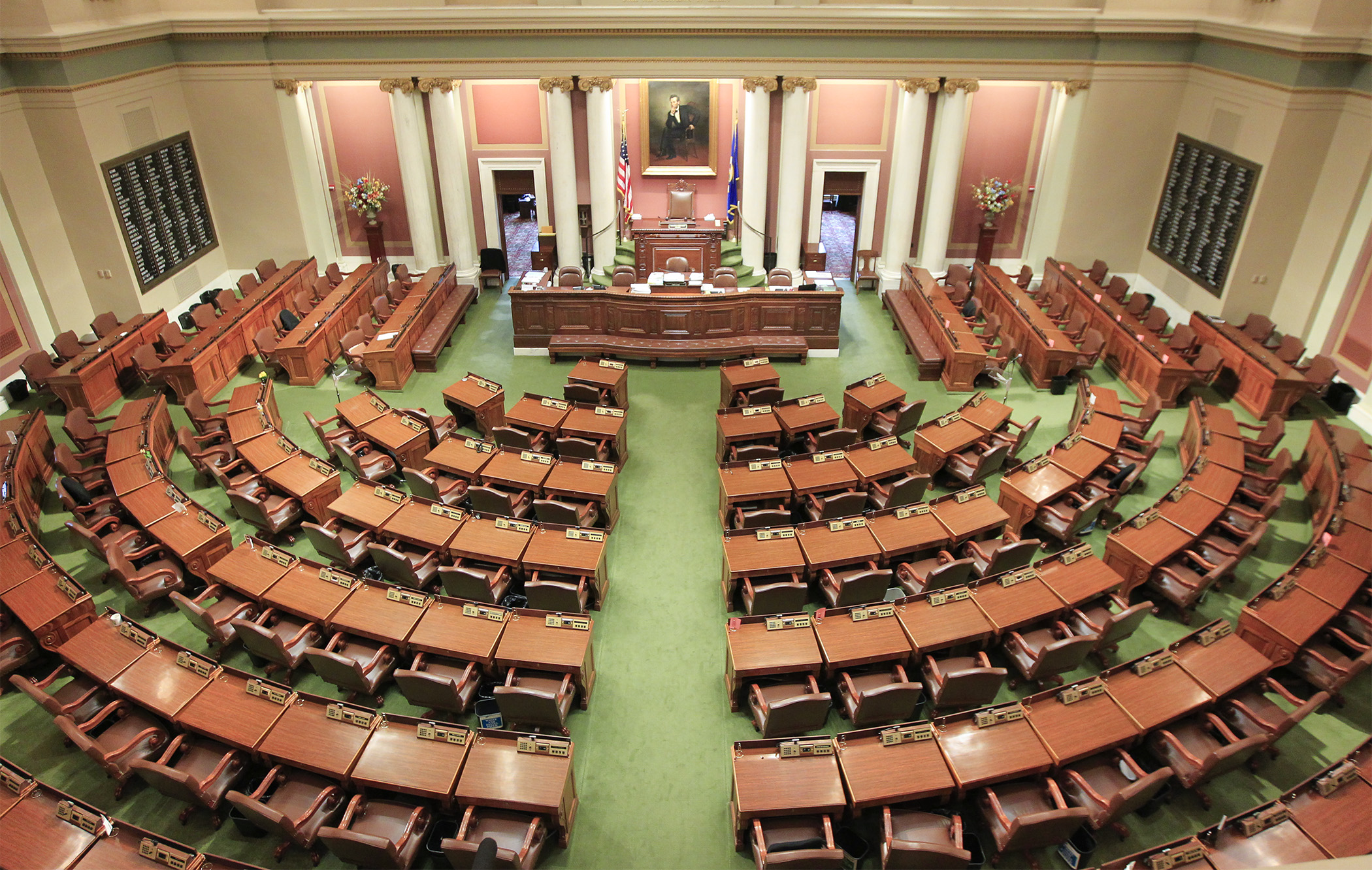 In the final weeks of the legislative session, House members not seeking re-election to the body have taken a turn at gaveling in a floor session.
It’s an opportunity to loo...
In the final weeks of the legislative session, House members not seeking re-election to the body have taken a turn at gaveling in a floor session.
It’s an opportunity to loo...
How short are the Legislature's short sessions?
By Lisa Kaczke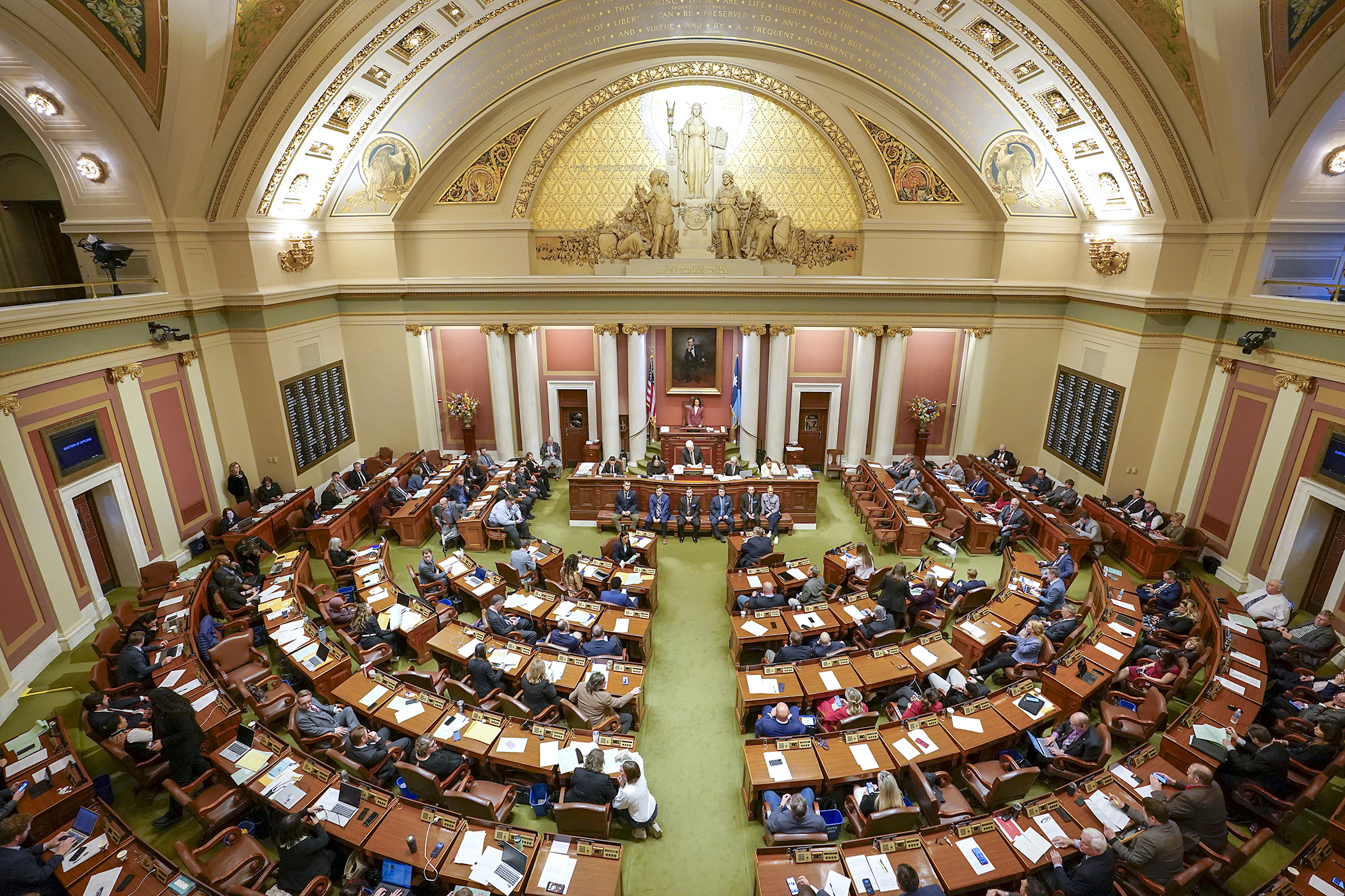 Rep. Ron Kresha (R-Little Falls) was ready to end the session March 25, making the motion to adjourn sine die. But not enough of his colleagues shared that sentiment, defeating ...
