 Minnesota Legislature
Elimination of copays for HIV drugs could help end spread of disease
Since Dr. MJ Kasten, an infectious disease specialist at Mayo Clinic, began working with HIV patients 30 years ago, she has seen “amazing strides” in both the treatment and prevention of the disease.
Once-a-day medications can be taken for a short period of time to prevent infection after exposure, or continuously to suppress a person’s viral load – not only protecting them from dangerous health complications, but also removing the risk of transmission.
“Not only are they going to stay healthy, but this is a public health matter,” Kasten said. “In the long run, it’s less expensive to keep people on treatment.”
HF745, sponsored by Rep. Frank Hornstein (DFL-Mpls), aims to increase access to these medications by exempting them from Medical Assistance and MinnesotaCare copays.
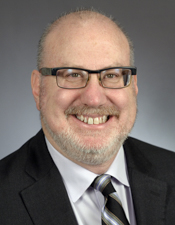
The House Health Finance and Policy Committee laid it over Monday for possible inclusion in an omnibus bill.
A companion, SF349, is sponsored by Sen. Scott Dibble (DFL-Mpls) and awaits action by the Senate Health and Human Services Finance and Policy Committee.
Medical Assistance drug copays are $3 for brand-name prescriptions and $1 for generics, with a $12 monthly maximum. MinnesotaCare drug copays are $25 for brand-name prescriptions and $7 for generics, with a $70 monthly maximum.
Those copays may seem low compared to some drug costs, but they can pose a major barrier to many low-income, homeless, or unemployed patients. Spending money on medications might mean not buying formula or diapers for their kids, or groceries, or meeting other immediate needs, testifiers said.
“Having this particular barrier taken away would make such a huge difference in the lives of people we serve,” said Val Rubin-RaShaad Crutcher, who works with many unaccompanied and homeless youth as executive director of the Youth and AIDS Project.
A fiscal note is not yet available.
Providing regular and consistent access to medication is key to preventing the spread of AIDS in Minnesota, said George Konstantinides, a clinical pharmacist at Hennepin County Medical Center.
“Our providers throughout the state are doing such a great job testing for HIV. … We’re able to identify patients, especially earlier … get them on meds, and control the immune system,” he said. “HIV treatment, itself, is a form of prevention.”
Related Articles
Search Session Daily
Advanced Search OptionsPriority Dailies
Could 2026 retirements lead to record turnover in the House?
By Lisa Kaczke In the final weeks of the legislative session, House members not seeking re-election to the body have taken a turn at gaveling in a floor session.
It’s an opportunity to loo...
In the final weeks of the legislative session, House members not seeking re-election to the body have taken a turn at gaveling in a floor session.
It’s an opportunity to loo...
How short are the Legislature's short sessions?
By Lisa Kaczke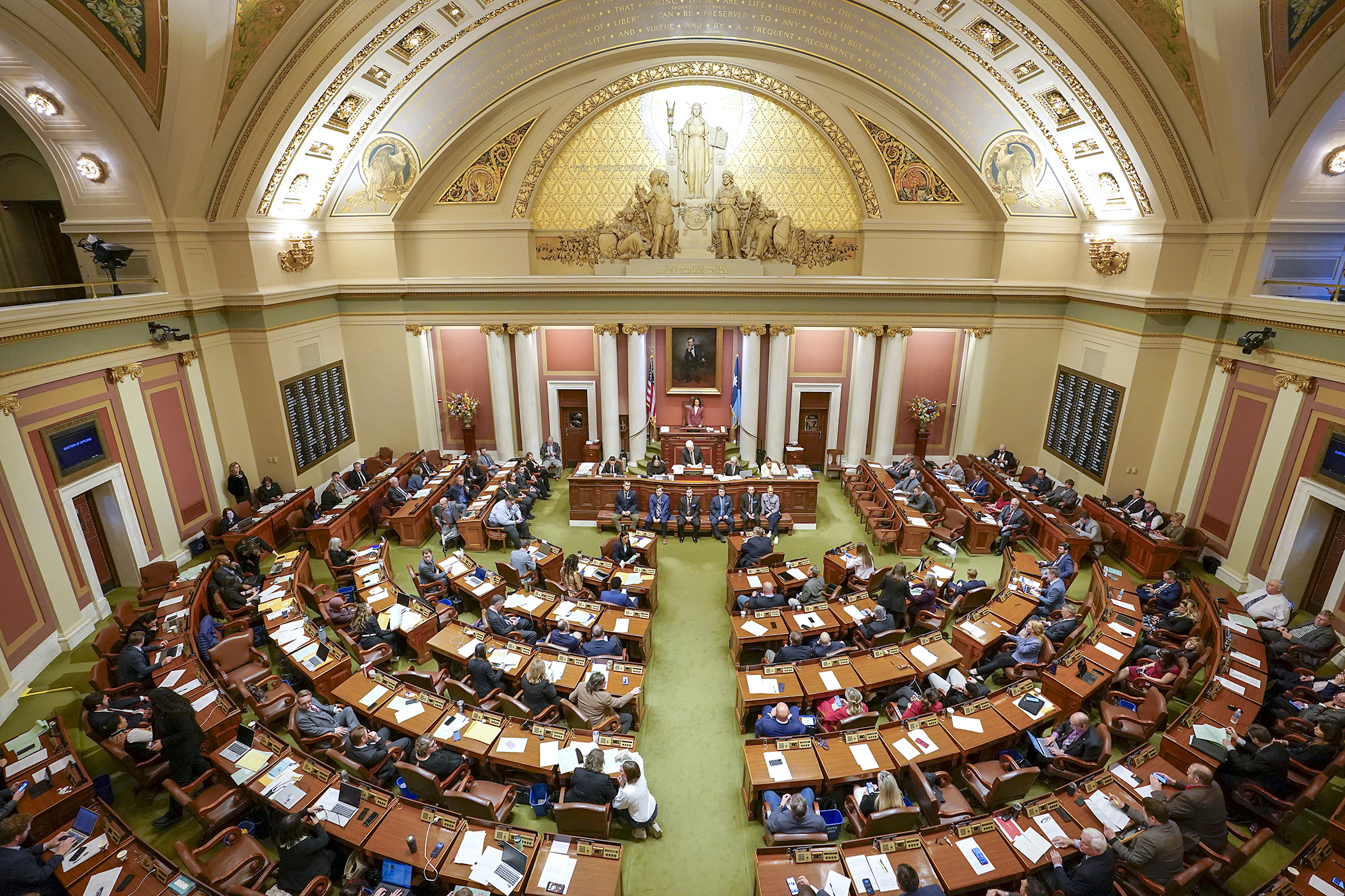 Rep. Ron Kresha (R-Little Falls) was ready to end the session March 25, making the motion to adjourn sine die. But not enough of his colleagues shared that sentiment, defeating ...
