 Minnesota Legislature
Bonding boost sought to keep farmers ‘state bank’ flush with funds
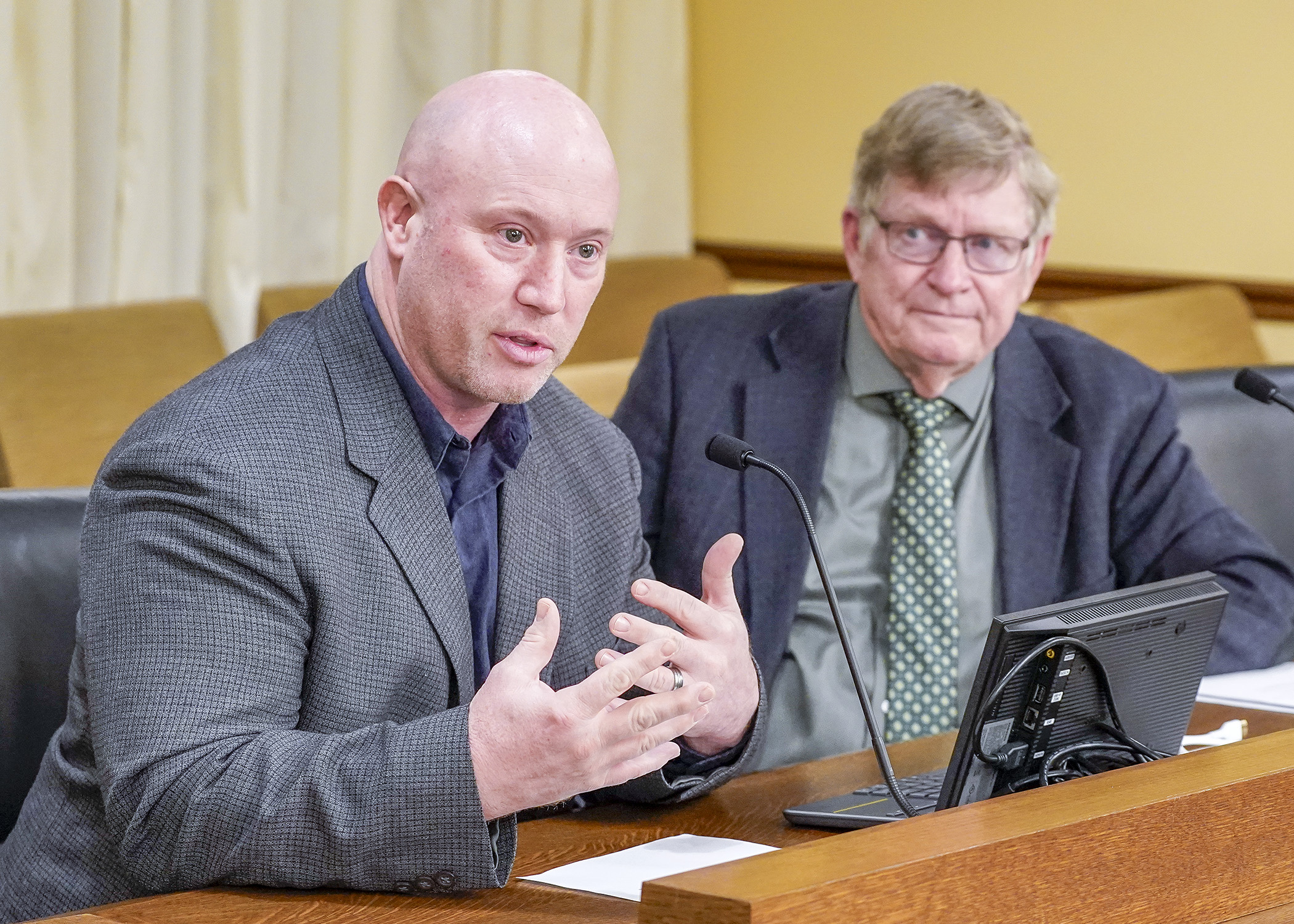
A program that is “kind of like our state bank” needs an infusion of cash to head off a depletion of its coffers in December 2026.
Rep. Paul Anderson (R-Starbuck) further references the Rural Finance Authority — the state’s program to help farmers with low-interest loans — as a “tremendous program.”
To that end, Anderson sponsors HF770, which would borrow $30 million from the bond market to keep the program operating.
The House Agriculture Finance and Policy Committee approved the bill, as amended, Monday. Its next stop is the House Capital Investment Committee.
Managed by the Department of Agriculture, the Rural Finance Authority is the state’s agricultural lender charged with developing farm resources. It partners with local lenders to purchase a portion of a farmer’s loan at a lower interest rate, currently 2% to 5%.
The low-interest loan programs are available for a variety of farm activities, including land purchases, farm improvements, equipment, meat and poultry processing, operating capital, debt restructuring and disaster relief.
[MORE: View the program’s September 2024 report]
“The beginning farmer program helped us purchase 40 acres and realize our dream of owning our own family farm,” said Matt Hardy, who raises several types of livestock, including forest-raised pork, at Rust Hill Ranch near Franconia in Chisago County.
“That lower interest rate I was able to lock in with the help of RFA saves me enough interest each month, for example, to purchase one ton of hog feed,” he said.
As of May 2023, the program has invested in more than 3,800 participation loans, totaling over $360 million to Minnesota farmers since 1986.
Related Articles
Search Session Daily
Advanced Search OptionsPriority Dailies
Could 2026 retirements lead to record turnover in the House?
By Lisa Kaczke In the final weeks of the legislative session, House members not seeking re-election to the body have taken a turn at gaveling in a floor session.
It’s an opportunity to loo...
In the final weeks of the legislative session, House members not seeking re-election to the body have taken a turn at gaveling in a floor session.
It’s an opportunity to loo...
How short are the Legislature's short sessions?
By Lisa Kaczke Rep. Ron Kresha (R-Little Falls) was ready to end the session March 25, making the motion to adjourn sine die. But not enough of his colleagues shared that sentiment, defeating ...
