 Minnesota Legislature
Fallout from federal action having statewide economic impact
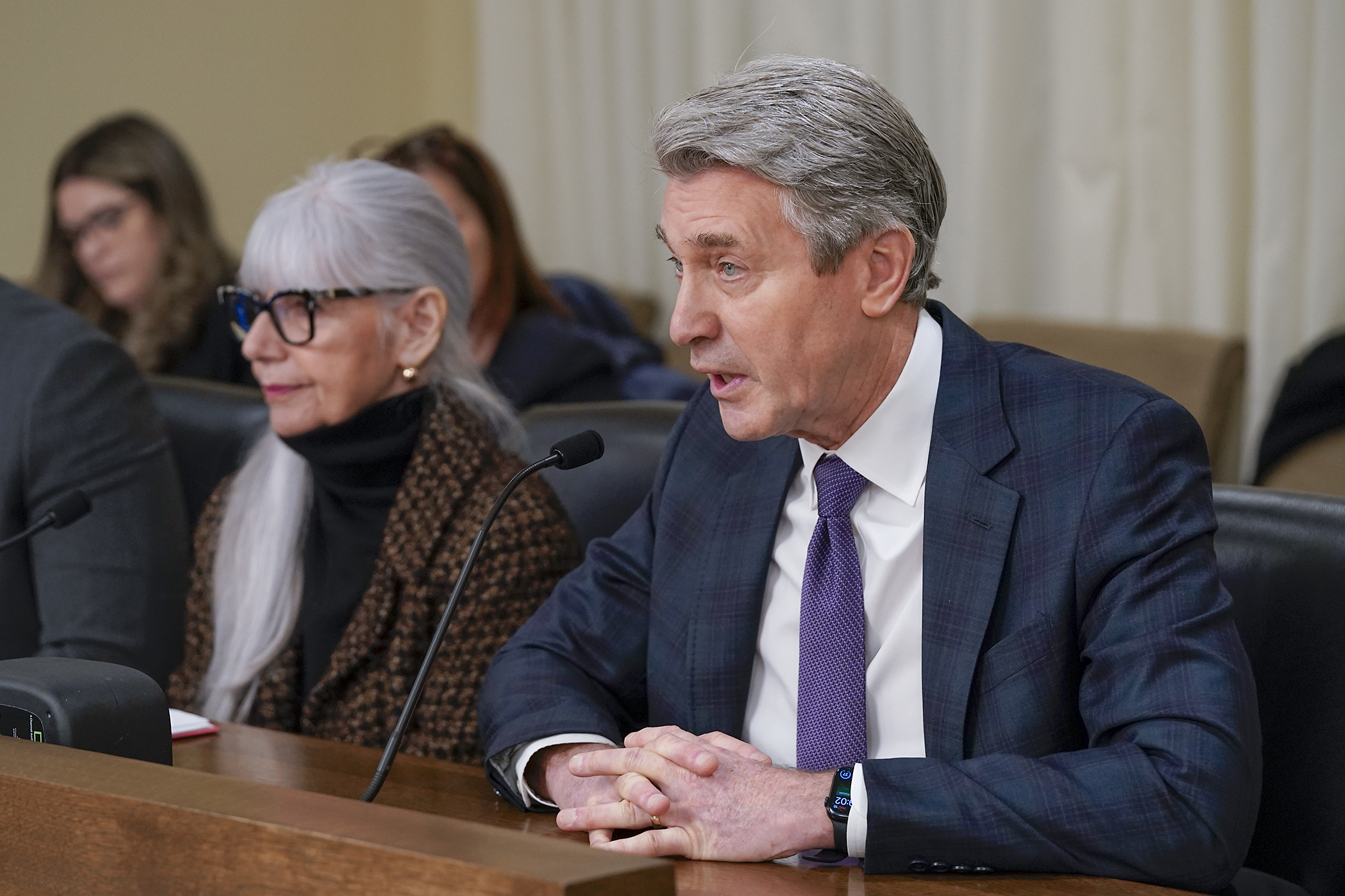
Federal immigration law was not on a committee docket Thursday, but effects of enforcing it was.
Immigration enforcement and its ripple effects on Minnesota’s workforce and economy dominated discussion at the House Workforce, Labor, and Economic Development Finance and Policy Committee as lawmakers, business leaders, immigration attorneys, local officials and advocates described personal and economic upheaval following Operation Metro Surge.
Rep. Samakab Hussein (DFL–St. Paul) described constant requests for help, including to find a U.S.-born resident who had been detained for days. The surge “created chaos, targeting people who look like me,” he said. “If we don’t help, we will be in a deficit forever.”
Witnesses described empty aisles in normally bustling businesses and residents, regardless of immigration status, afraid to leave home, worried about damage to their car or needing legal representation.
Reviews of 385 businesses from across the state applying for grants from the Latino Economic Development Center show a 65% drop in revenue, said Director of Operations Lill Bloise. Only 26 had been conducting business as usual; many had closed and most had reduced hours.
R.T. Rybak, president and CEO of The Minneapolis Foundation, said the chilling effect extends to workers and customers across the state.
The foundation stepped in with emergency grants of $2,500 to $10,000 for small businesses and received 1,000 applications in the first week. Senior Vice President of Impact Jo-Anne Stately said the foundation is proud to step in, “but we need government to act as well.”
Preliminary findings from the City of Minneapolis estimate the economic impact of Operation Metro Surge is $203 million to $205 million, including $47 million in lost wages and $81 million in lost revenue for small businesses and restaurants. Construction valuations hit their lowest January level in a decade.
Recommendations in Minneapolis’ report range from emergency rental assistance and food aid to telehealth therapy and legal services for immigrants.
Policy changes such as the end of Temporary Protected Status and steep visa fees were cited as barriers to workforce development. Immigration attorney Sarah Peterson said rural communities, already short on physicians, especially rely on U.S. trained, foreign-born doctors who tend to stay longer than U.S.-born counterparts.
Nicole Mattson, vice president of advocacy and workforce development for Care Providers of Minnesota, said the long-term care workforce is about 30% foreign-born and already 12,500 workers short.
“Additional pressures on an already stressed long-term care workforce threatens care stability,” Mattson said.
Erin Huppert, vice president of advocacy at LeadingAge Minnesota, said time-off requirements and limits on rate increases are additional stressors to the long-term care industry.
Rep. Dave Baker (R-Willmar) said it’s been a hard couple of months in Minnesota. He appreciates the focus on small business, suggesting action the state could take immediately, such as a temporary hold on sales tax collection.
He added he believes policies coming out of the workforce committee have made it harder for businesses to be successful, whether small, medium or large.
Related Articles
Search Session Daily
Advanced Search OptionsPriority Dailies
Could 2026 retirements lead to record turnover in the House?
By Lisa Kaczke In the final weeks of the legislative session, House members not seeking re-election to the body have taken a turn at gaveling in a floor session.
It’s an opportunity to loo...
In the final weeks of the legislative session, House members not seeking re-election to the body have taken a turn at gaveling in a floor session.
It’s an opportunity to loo...
How short are the Legislature's short sessions?
By Lisa Kaczke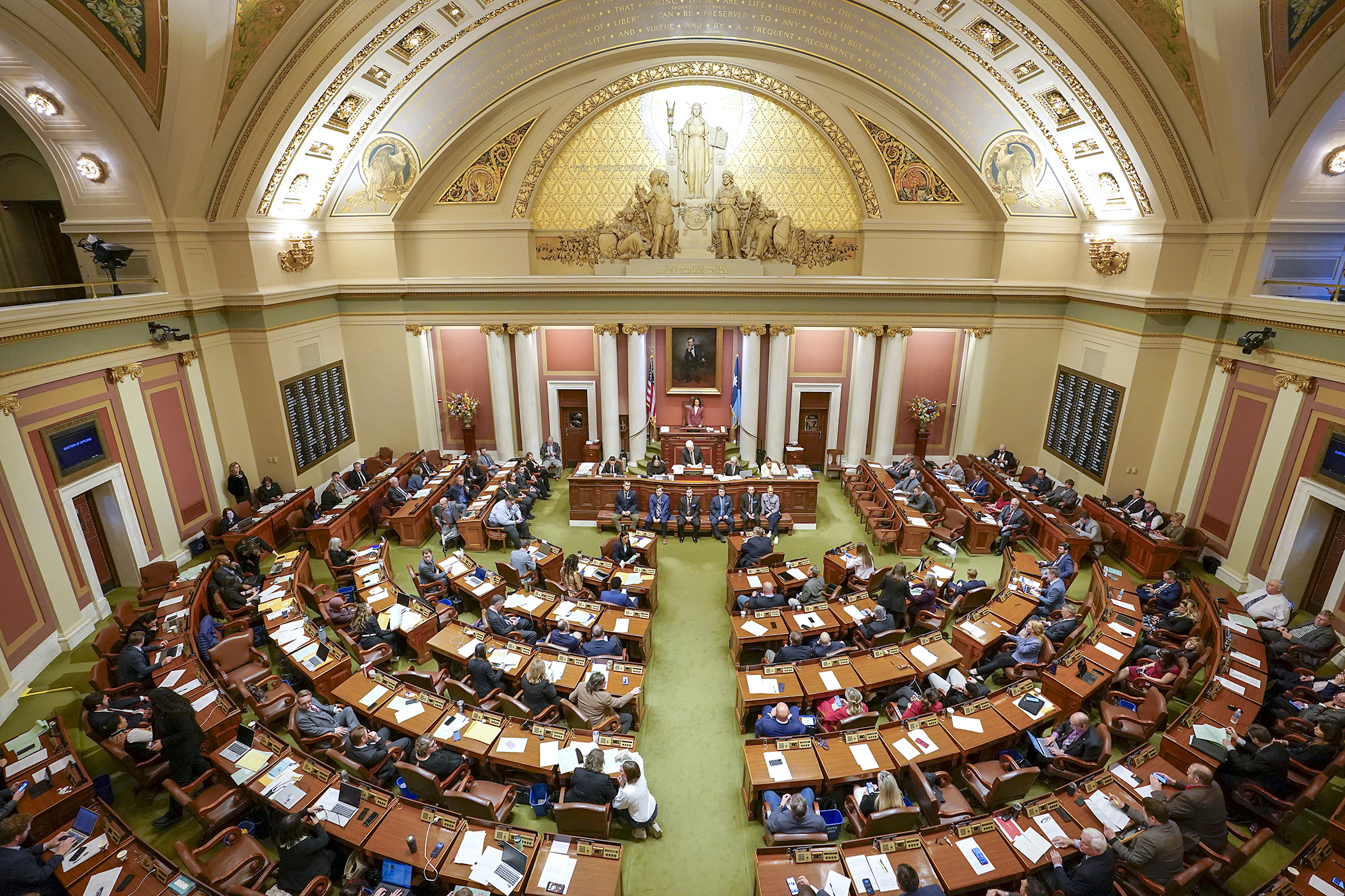 Rep. Ron Kresha (R-Little Falls) was ready to end the session March 25, making the motion to adjourn sine die. But not enough of his colleagues shared that sentiment, defeating ...
