 Minnesota Legislature
Requiring disclosure of investigations into possible overpayments gets committee OK
Current statute permits the Human Services and Children, Youth, and Families departments to disclose an investigation into “possible overpayments of public funds to a service provider or recipient or the reduction or withholding of payments … if the commissioner determines that it will not compromise the investigation.”
Rep. Walter Hudson (R-Albertville) sponsors HF3542 to require disclosure of such an investigation within 30 days of a request, and, per an oral amendment, “if the commissioner has taken action to reduce, suspend, or withhold payments to the subject of the investigation.”
The House Fraud Prevention and State Agency Oversight Policy Committee approved the bill Monday via voice vote and sent it to the House Children and Families Finance and Policy Committee.
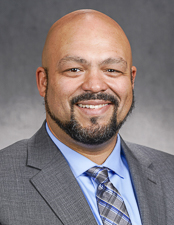
Hudson said the change is about transparency. “The intent of the bill is to remove that discretion so that we know … that the intentions provide objective circumstances where the existence of an investigation must be disclosed. We like open and shut, no discretion from the agency, but at the same time not compromising an investigation the subject is unaware of.”
“We want to get to the point where we don’t tip off fraudsters that an investigation is going, but once the people under investigation are aware of the investigation, who’s under investigation should be reported to us as legislators or other people who make a request,” said Rep. Kristin Robbins (R-Maple Grove), the committee chair.
Rep. Dave Pinto (DFL-St. Paul) supports more transparency and disclosure; however, he expressed concern about deleting language to not compromise an investigation. He unsuccessfully offered an amendment — falling on a split-voice vote — that would keep the 30-day timeframe, but only if it would not compromise an investigation.
“That achieves the goal of transparency, it also achieves the goal we all share which is to make sure we get fraudulent payments stopped and hold accountable people who are doing it,” Pinto said.
Department of Human Services officials also expressed fear that such a disclosure could tip off those committing fraud and potentially allow them to do things like falsify or destroy records, hide information or coordinate stories that could thwart the completion of an investigation.
“Disclosure does oftentimes lead to compromising investigations,” said James Clark, the department’s inspector general. “… We oftentimes see, unfortunately, unscrupulous providers when they get wind that we’re investigating them for fraud they start to threaten or try to influence vulnerable adults, recipients in those programs to get them to try to change their tune.”
Related Articles
Search Session Daily
Advanced Search OptionsPriority Dailies
Could 2026 retirements lead to record turnover in the House?
By Lisa Kaczke In the final weeks of the legislative session, House members not seeking re-election to the body have taken a turn at gaveling in a floor session.
It’s an opportunity to loo...
In the final weeks of the legislative session, House members not seeking re-election to the body have taken a turn at gaveling in a floor session.
It’s an opportunity to loo...
How short are the Legislature's short sessions?
By Lisa Kaczke Rep. Ron Kresha (R-Little Falls) was ready to end the session March 25, making the motion to adjourn sine die. But not enough of his colleagues shared that sentiment, defeating ...
