 Minnesota Legislature
Workforce committee considers funding boost to youth employment programs
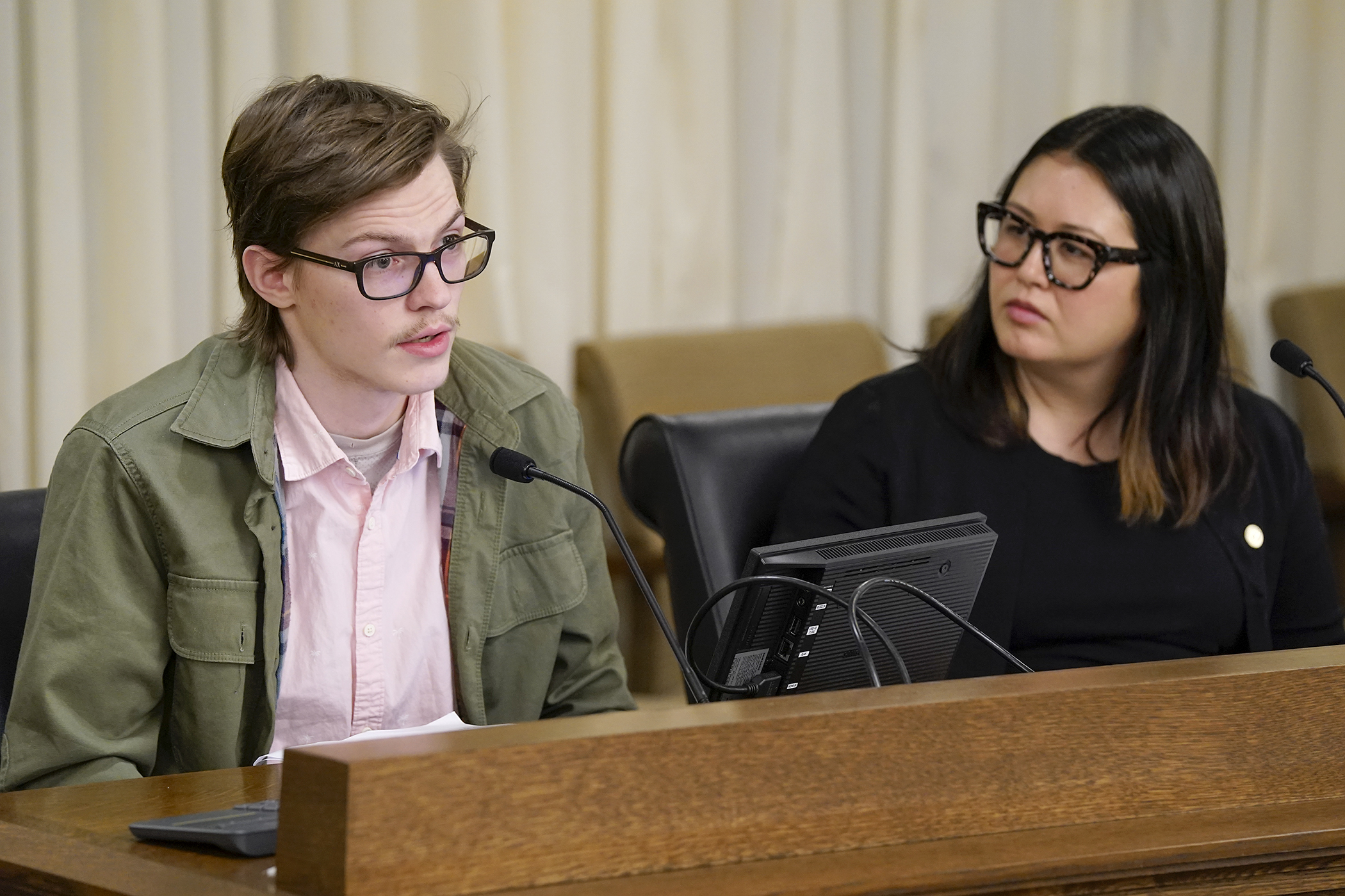
Advocating for increased spending for youth employment programs, Rep. Samantha Sencer-Mura (DFL-Mpls) speaks from firsthand experience.
As a high school intern in Minneapolis’s Step Up program, she learned employment skills like resume writing, discovered a corporate workplace didn’t suit her, and picked up an essential life tip to always floss before a job interview.
Sencer-Mura sponsors HF2039, which was laid over by the House Workforce, Labor, and Economic Development Finance and Policy Committee Tuesday for possible inclusion in a larger budget bill.
As amended, it would provide $4.5 million from the Workforce Development Fund to bolster the Minnesota Youth Program’s base funding. This program, administered statewide by workforce boards, supports low-income and at-risk youth aged 14-24 by providing workplace learning opportunities, wage supplements for internships, and in-school career counseling.
The funding request aims to make permanent a one-time boost included in the 2023-24 biennial budget. According to the Minnesota Association of Workforce Boards, the increase enabled service providers to scale up and serve nearly 45,000 youth in fiscal year 2024 – more than double the number served in fiscal year 2022. The return on investment is significant, with each dollar spent yielding an estimated $6.80 in taxes paid and public benefits saved.
In a letter, Minneapolis Mayor Jacob Frey highlighted Step Up’s impact, noting that the program has supported 34,000 youth over two decades. Of these participants, 25% live with disabilities, and 12% face challenges such as homelessness or foster care.
Anoka County Job Training Center Director Nicole Swanson emphasized Minnesota Youth Program’s dual benefits for students and employers, citing the need for work-ready employees with basic job skills. She also warned of potential funding challenges because a federal bill introduced last year could eliminate all funding for youth workforce programs.
Tuesday’s meeting marked the committee’s first since House leadership released budget targets, which include a $50 million reduction in General Fund spending for the workforce committee. While Workforce Development Fund spending will remain flat, co-chair Rep. Dave Pinto (DFL-St. Paul) acknowledged there are tough decisions ahead.
Related Articles
Search Session Daily
Advanced Search OptionsPriority Dailies
DFL regains control of Minnesota House
By Lisa Kaczke After two years of a tied House, the DFL has regained the majority.
In a year when anger flared on both political sides — DFLers over Operation Metro Surge and Republicans o...
