 Minnesota Legislature
Panel endorses $7 million in funding for Clean Water Fund projects
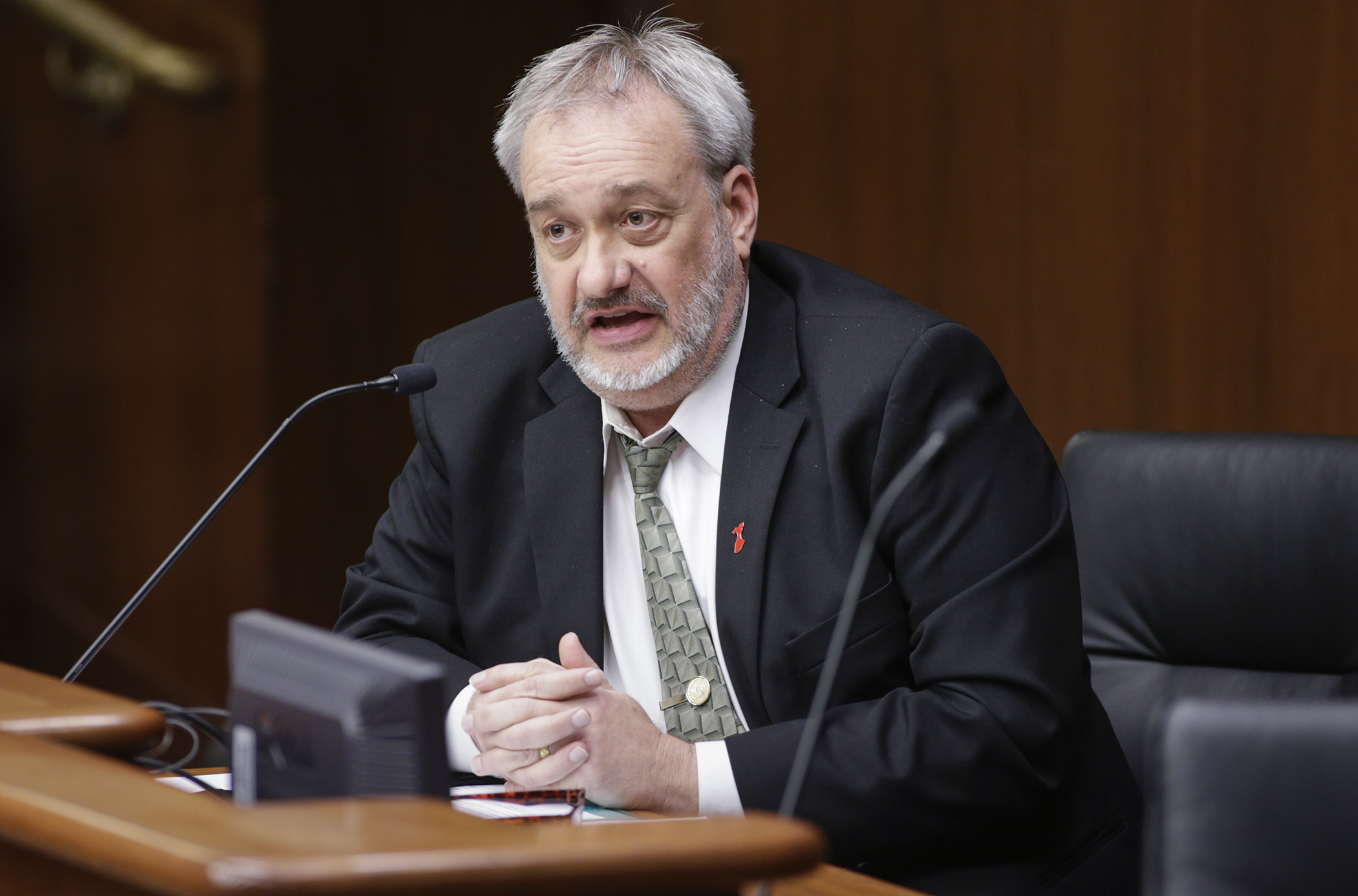
A legislative panel approved spending more than $7 million from the Clean Water Fund on a variety of pollution control and water projects.
The Clean Water Fund was one of four funds created when Minnesota voters approved the Legacy amendment in 2008. The fund is used to pay for projects that protect, enhance or restore the state’s surface, ground and drinking water resources.
The House Environment and Natural Resources Finance Division approved HF4311 Thursday and referred it to the House Legacy Finance Division. There is no Senate companion.
[WATCH Division debate on the bill ]
Rep. Rick Hansen (DFL-South St. Paul) sponsors the bill that contains $7.18 million from the Clean Water Fund for fiscal year 2021, including:
- $2.7 million to the University of Minnesota to study water’s role in transporting chronic wasting disease prions;
- $1.75 million for the Health Department to address public health concerns related to contaminants found in drinking water that do not have health-based drinking water standards;
- $750,000 for the Health Department to study contaminants in private wells, including microplastics and nanoplastics;
- $500,000 to the Metropolitan Council for local inflow and infiltration reduction programs;
- $492,000 for the Pollution Control Agency to establish water quality standards for perfluorooctanoic and perfluorooctanesulfonic acids;
- $488,000 for conservation easements and perennial vegetation/cover crops on wellhead protection areas;
- $250,000 for the Forever Green agriculture initiative to develop new crops and high-efficiency cropping systems; and
- $250,000 for the Department of Health to amend the health risk limit for perfluorooctane sulfonate.
Hansen said the money is usually appropriated on a biennial basis, but the Clean Water Council recommended last year that “we use the remainder.”
A 2019 law calls for $261.26 million in spending from the fund, including allocations to the Pollution Control Agency ($46.5 million); Department of Agriculture ($21.7 million); DNR ($18.6 million); Public Facilities Authority ($18.3 million); and Department of Health ($13 million).
Related Articles
Search Session Daily
Advanced Search OptionsPriority Dailies
Could 2026 retirements lead to record turnover in the House?
By Lisa Kaczke In the final weeks of the legislative session, House members not seeking re-election to the body have taken a turn at gaveling in a floor session.
It’s an opportunity to loo...
How short are the Legislature's short sessions?
By Lisa Kaczke Rep. Ron Kresha (R-Little Falls) was ready to end the session March 25, making the motion to adjourn sine die. But not enough of his colleagues shared that sentiment, defeating ...
