 Minnesota Legislature
Plastic beverage bottle tax would aim to help meet water infrastructure needs
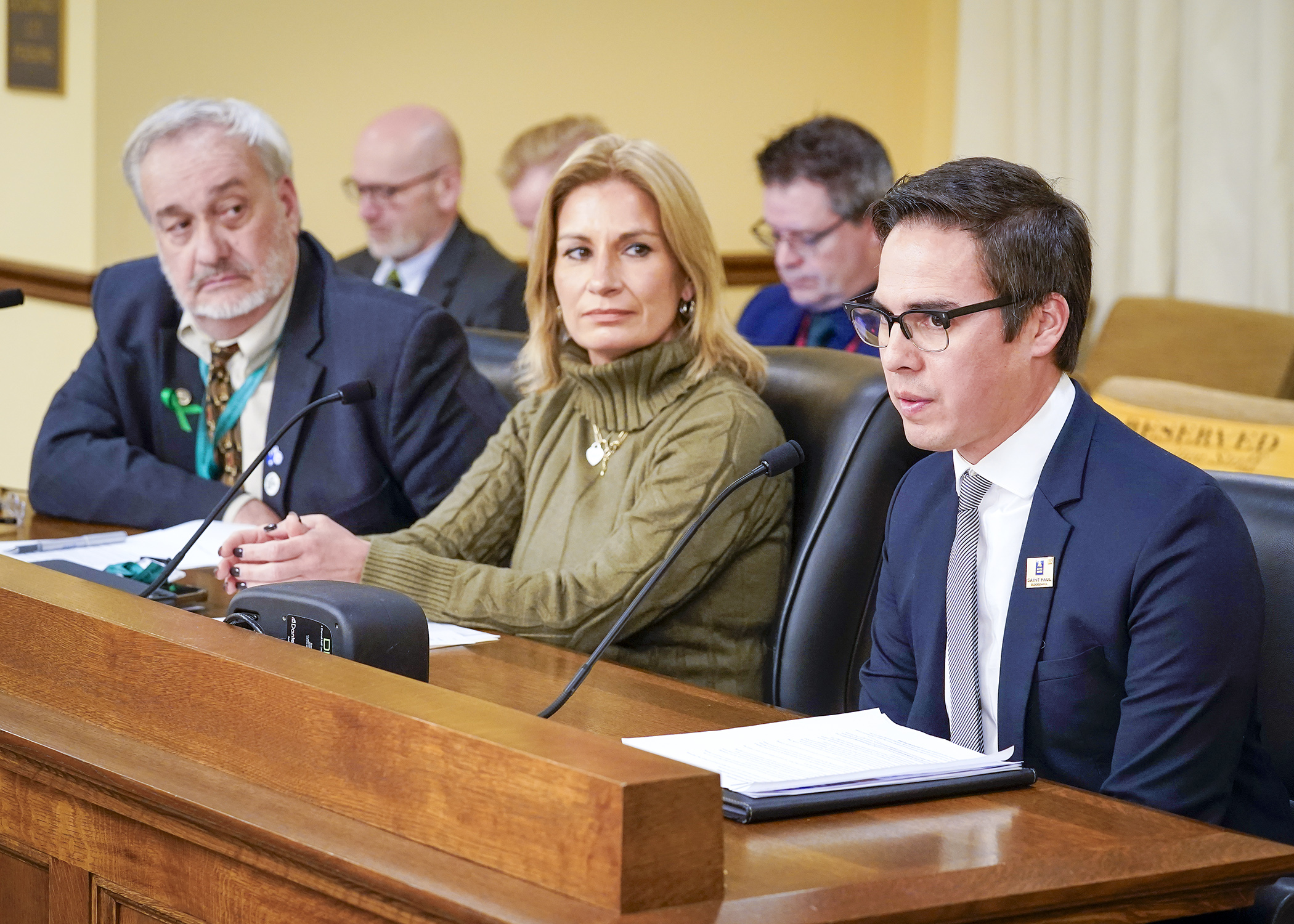
Will a tax on plastic beverage bottles be coming to the state? And if so, how much?
The answer to both questions is unknown, because a bill to add a to-be-determined excise tax to the distributor of plastic beverage bottles was held over Tuesday by the House Environment and Natural Resources Finance and Policy Committee.
Rep. Mary Franson (R-Alexandria) sponsors HF3322, noting it’s highly unusual for a Republican to sponsor a bill proposing a new tax.
She is doing so because the revenue raised would help municipalities replace or upgrade current water facilities to address pollutants like lead, PFAS and nitrates and prepare them to deal with future contaminants such as microplastics.
An estimated $12 billion is needed over the next 20 years to keep up with drinking water and wastewater infrastructure needs statewide, according to Department of Health and Pollution Control Agency officials.
These massive projects are not getting done, Franson said, because they are funded through capital bonding bills that have become a sporadic form of funding.
“In the past five years, we have passed only two bonding bills,” Franson said. “We are not saving taxpayers any money by not having bonding bills. Instead, these projects are getting more expensive, more costly and, at times, if they are not funded by bonding dollars through the state, these projects end up on the taxpayer through increased rates or higher property taxes.”
The bill would supplement funding through bonding bills and bring a dependable source of funding to undertake these critical projects.
“The needs are too great, too urgent and too important to solve through bonding alone,” Franson said.
Money collected would be put into a “water infrastructure account” and could only be used to fund projects approved by the Public Facilities Authority.
An initial 10-cent per bottle tax was removed by a delete-all amendment and replaced with a blank space.
Franson said the reason was to stimulate a discussion and ensure the amount eventually chosen would be fair to consumers, retailers and distributors.
Beverage distributors and retail lobbyists say no amount of tax would be fair.
Tim Wilkin, president of the Minnesota Beverage Association, said the tax would unfairly burden beverage distributors, is poor targeting and is essentially a double tax on consumers. And Will Hagen, vice president at the Minnesota Retailers Association, said the tax will ultimately end up passed to customers.
The bill has bipartisan support: Rep. Rick Hansen (DFL-South St. Paul) is also a bill sponsor.
But the Republican co-chair, Rep. Josh Heintzeman (R-Nisswa), opined that it would be very hard for his Republican colleagues to get behind a bill that proposes a new tax.
Related Articles
Search Session Daily
Advanced Search OptionsPriority Dailies
Could 2026 retirements lead to record turnover in the House?
By Lisa Kaczke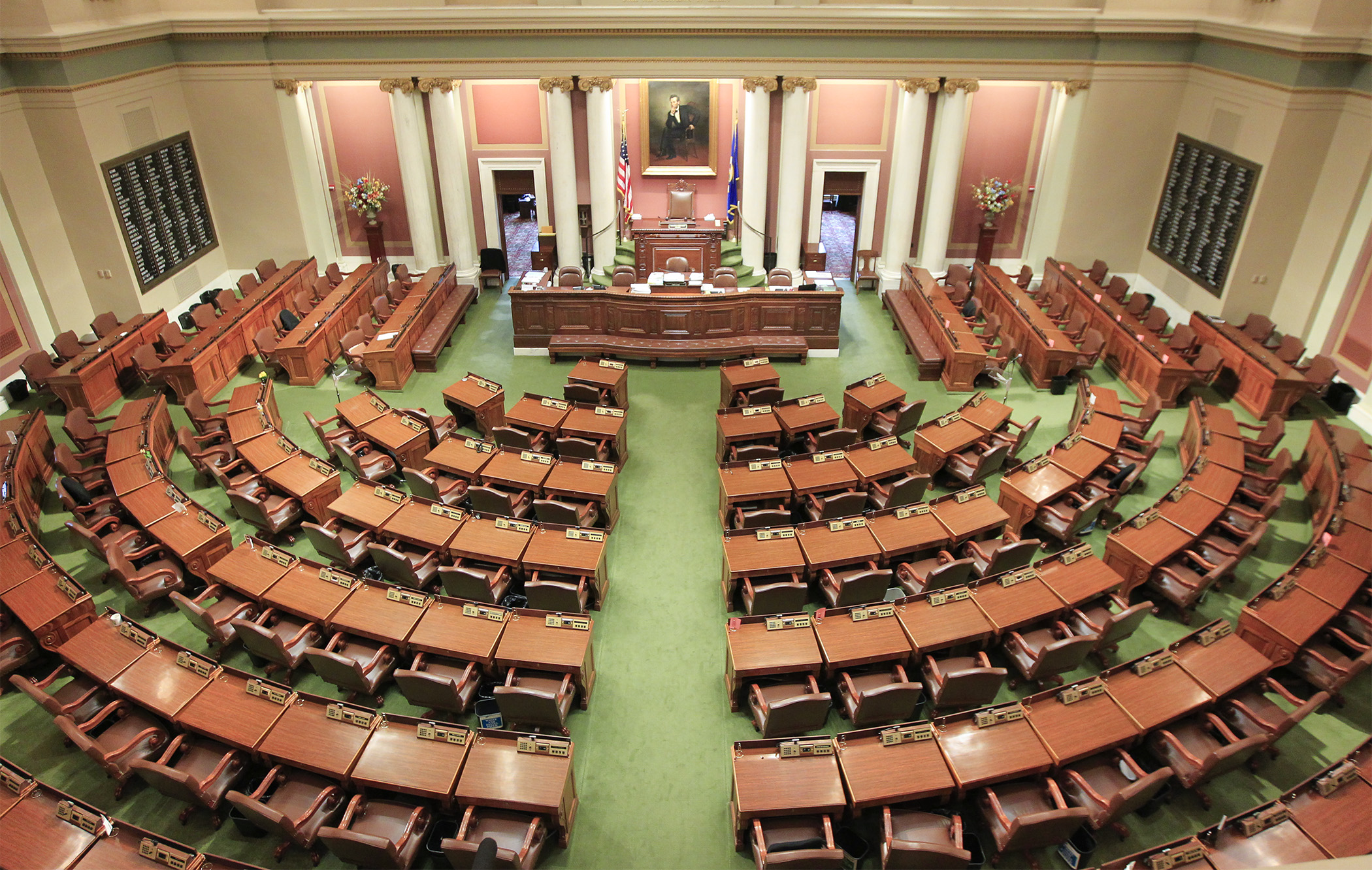 In the final weeks of the legislative session, House members not seeking re-election to the body have taken a turn at gaveling in a floor session.
It’s an opportunity to loo...
In the final weeks of the legislative session, House members not seeking re-election to the body have taken a turn at gaveling in a floor session.
It’s an opportunity to loo...
How short are the Legislature's short sessions?
By Lisa Kaczke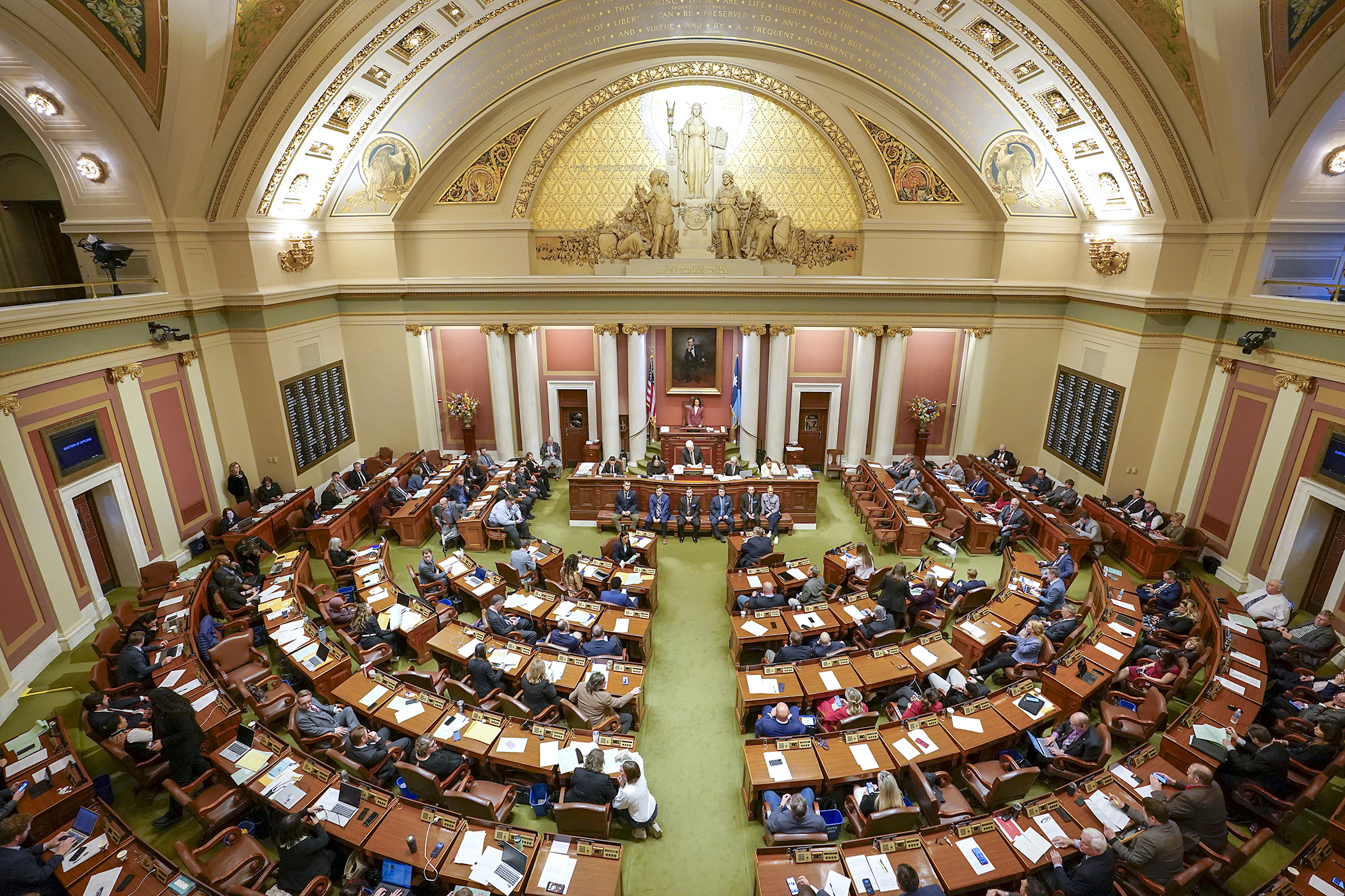 Rep. Ron Kresha (R-Little Falls) was ready to end the session March 25, making the motion to adjourn sine die. But not enough of his colleagues shared that sentiment, defeating ...
