 Minnesota Legislature
Could 2026 retirements lead to record turnover in the House?
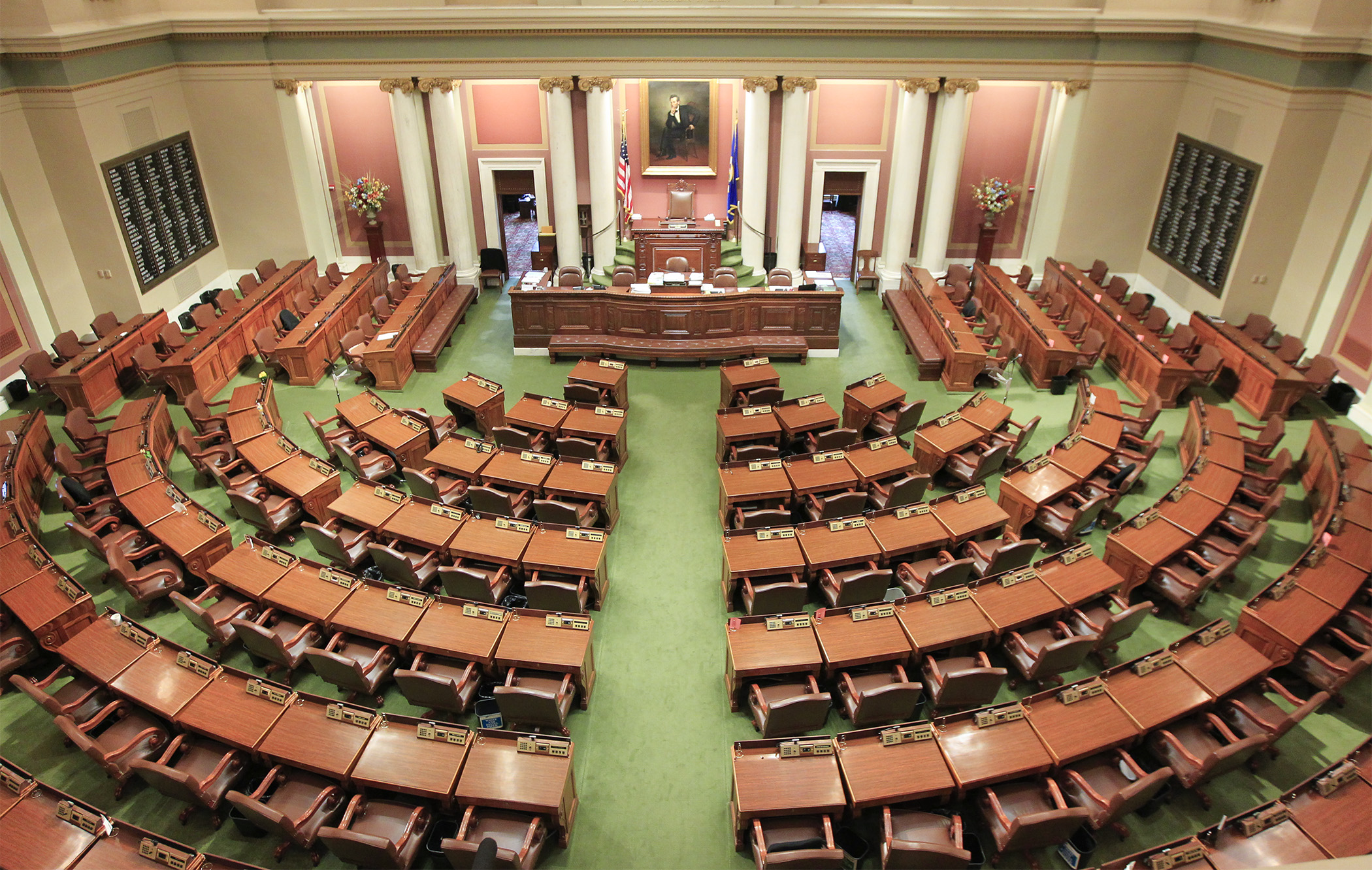
In the final weeks of the legislative session, House members not seeking re-election to the body have taken a turn at gaveling in a floor session.
It’s an opportunity to look out at the chamber and their colleagues from the speaker’s rostrum for a final farewell.
Twenty-six House members have announced their exit from the chamber after the 2026 session: 10 are retiring, seven are vying to join the Senate and nine are seeking election to other offices. Over in the other chamber, 15 senators have announced their retirements and two are candidates for other offices.
Could that foretell a new record for turnover in the Legislature? If so, it’ll break a record that has stood since the 1970s.
The turnover record for an election involving both House and Senate seats was set in 1972 at 39.6%. For an election involving only the House, the record was set in 1974 at 38.8%, according to the Minnesota Legislative Reference Library, which has tracked turnover since 1970.
Turnover in the 1970s
There were 36 open House seats in the 1972 election: 20 members retired, 13 ran for a Senate seat and three sought other offices. One member was defeated in the primary election and 18 were defeated in the general election. Minus the district lost in the redistricting that brought the House down to 134 seats after the election, the 1972 election ushered in 53 new House members. And 26 Senate seats were filled by freshmen.
Legislative candidates appeared as nonpartisan on ballots for the final time in 1972, but legislators served as partisan elected officials. The election that year brought in a DFL trifecta in 1973 after Republican control in the Legislature for nearly a decade. In the House, the turnover led to the Republicans’ five-seat majority flipping to the DFL’s 20-seat majority for the 1973 session.
The 1974 election was the first election in 62 years in Minnesota to include legislative candidates’ party affiliation. Coming a few months after President Richard Nixon’s resignation, the DFL flipped several statewide seats, gained a congressional seat and grew its majority in the House to 104 of the 134 seats.
That year, 52 new House members were elected. Twenty-four members opted not to seek re-election with 20 retiring and four seeking other offices. Three incumbents were defeated in the primary election and 25 incumbents were defeated in the general election.
But the pendulum swung the other way a few years later when the lowest percentage of incumbents were re-elected in 1978. While only six incumbents didn’t run for re-election, a quarter of incumbents were defeated in their bid to return to the chamber. The result was a tied House chamber for the first time in 1979.
Other elections of note
The 2022 election came close to the turnover in the 1972 and 1974 elections. It comes in at the third-highest turnover rate at 35.3%. That year, 36 House members didn’t run for re-election and 11 incumbents were defeated in either the primary or general election. Twenty-three senators decided not to campaign again and one incumbent was defeated in the general election. The result was 71 new legislators.
Other high turnover elections took place in 1970 at 33.2% and 2002 at 31.8%.
The lowest turnover in the Legislature occurred in 1996, when 33 of the 201 seats had a change in the election. Eighteen House members and seven senators didn’t run again while six House incumbents and two Senate incumbents were defeated.
Since 1970, the House has averaged 19 open seats in elections and averaged 31 new members following an election.
Related Articles
Search Session Daily
Advanced Search OptionsPriority Dailies
Could 2026 retirements lead to record turnover in the House?
By Lisa Kaczke
In the final weeks of the legislative session, House members not seeking re-election to the body have taken a turn at gaveling in a floor session.
It’s an opportunity to loo...
How short are the Legislature's short sessions?
By Lisa Kaczke Rep. Ron Kresha (R-Little Falls) was ready to end the session March 25, making the motion to adjourn sine die. But not enough of his colleagues shared that sentiment, defeating ...
