 Minnesota Legislature
Support given to no permit fees for home upgrades to accommodate veteran with a disability
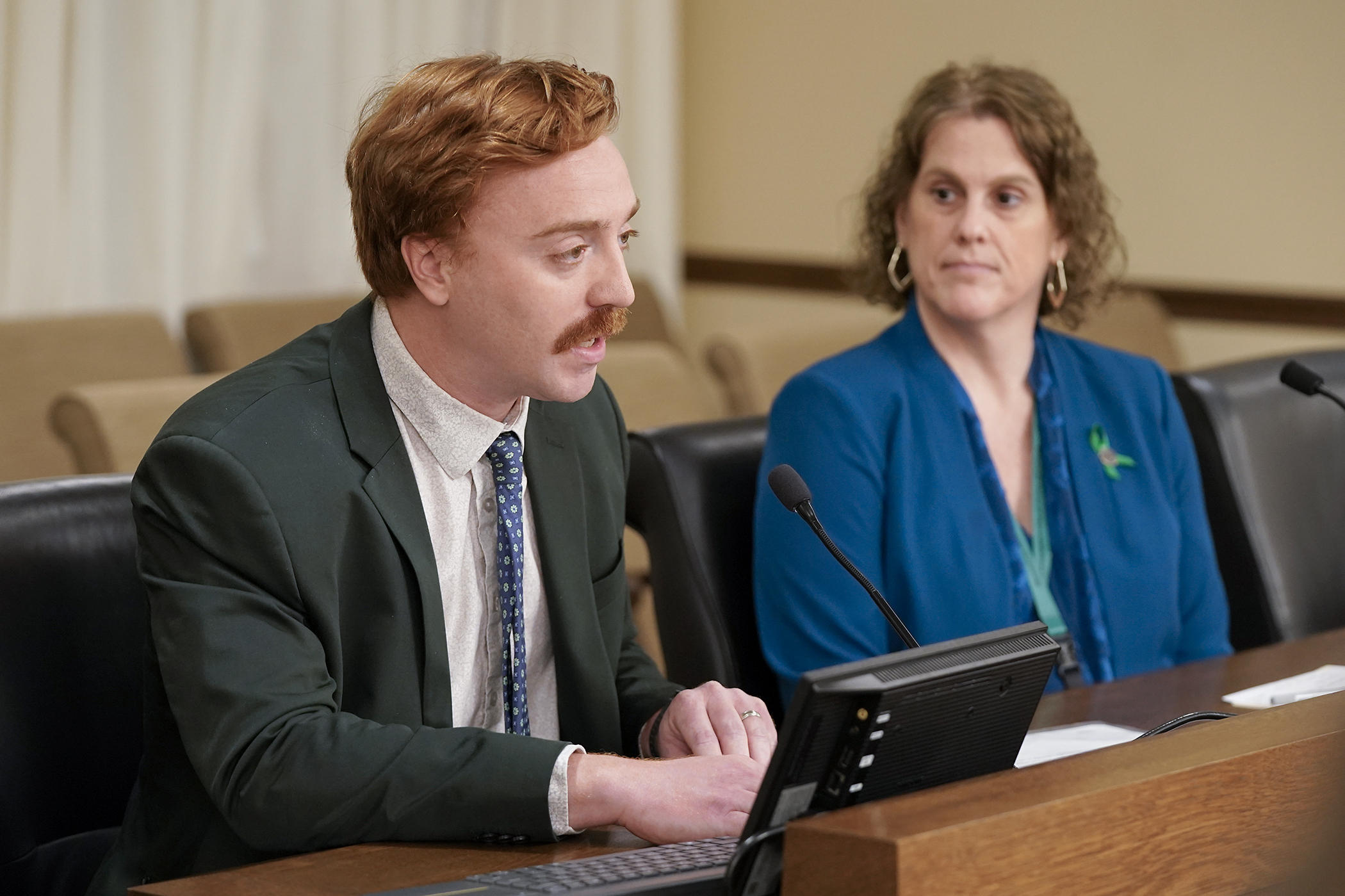
Local permit fees can be barriers to critical home improvement projects.
That expense could be nixed for people who served our country, but have a disability because of that service.
Sponsored by Rep. Kari Rehrauer (DFL-Coon Rapids), HF4171 would prohibit a municipality from charging any permit fees associated with a residential improvement needed to accommodate a veteran who has received a disability rating under United States Code. Examples could include a roll-in shower, stair lift, ramps, wider doorways or a specialized kitchen.
“Veterans often face significant barriers when simply trying to make their home safe and accessible to them,” Rehrauer said. “Our veterans shouldn’t have to pay fees for residential modifications because these changes are medically necessary to be safe in their homes, to be more independent, to have a better quality of life.”
Approved Wednesday by the House Veterans and Military Affairs Division without objection, the bill is headed to the House Elections Finance and Government Operations Committee.
“We’ve seen firsthand the difference these projects make,” said Mark Foster, the vice president of legislative and political affairs at Housing First Minnesota. Its members are often the people doing the work and getting permits, which would still be required for the improvements.
A fiscal note shows a $63,000 statewide annual loss to municipalities beginning in Fiscal Year 2027, something bill supporters do not see as problematic.
“It has been well documented through public data over many years that many municipalities generate significant surpluses from building permit fees, often collecting well beyond — and in some cases up to millions of dollars — the actual cost of administrating permits,” Foster said. “… If there is any appropriate use of those permitting surpluses it is this.”
Related Articles
Search Session Daily
Advanced Search OptionsPriority Dailies
Could 2026 retirements lead to record turnover in the House?
By Lisa Kaczke In the final weeks of the legislative session, House members not seeking re-election to the body have taken a turn at gaveling in a floor session.
It’s an opportunity to loo...
In the final weeks of the legislative session, House members not seeking re-election to the body have taken a turn at gaveling in a floor session.
It’s an opportunity to loo...
How short are the Legislature's short sessions?
By Lisa Kaczke Rep. Ron Kresha (R-Little Falls) was ready to end the session March 25, making the motion to adjourn sine die. But not enough of his colleagues shared that sentiment, defeating ...
