 Minnesota Legislature
Luring major sporting events to Minnesota the aim of bill before tax panel
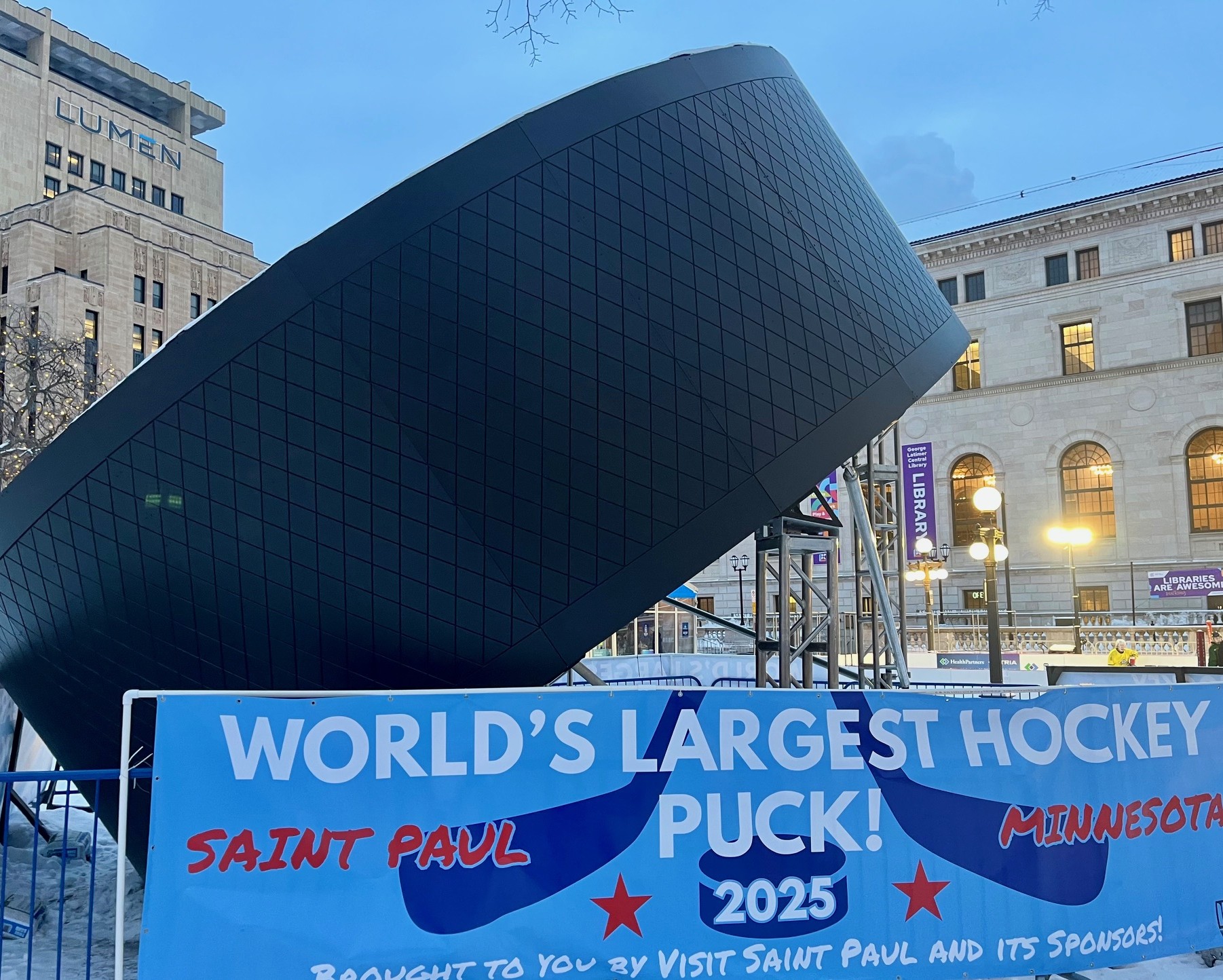
Big sports events mean big money.
Whenever the idea is pitched of having Minnesota play host to a major sporting event like the Super Bowl, World Cup soccer games or NCAA basketball tournaments, civic leaders inevitably speak of what an economic windfall they’ll provide to the host cities, often attaching a projected dollar amount to their pitch.
Who’s responsible for that pitching? That would be a nonprofit organization called Minnesota Sports and Events that’s funded by dues or fees from members. But, seeing as these events provide the benefit of increased revenue via sales taxes from the host venues and the hospitality industry, should the state pony up some funding?
It would under HF4949, a bill sponsored by Rep. Natalie Zeleznikar (R-Fredenberg Township) that would create a sports and events reimbursement program account in the special revenue fund designed to assist a local organizing committee with expenses related to attracting and conducting major events in the state. The funding would go toward the costs of both preparing for and conducting an event, including improvements to existing facilities or acquisition of new facilities to host the event.
On Tuesday, the House Taxes Committee laid the bill over for possible omnibus bill inclusion.
“This bill establishes a reliable ongoing funding mechanism so we can pursue and win large-scale events on a consistent basis,” Zeleznikar said. “Right now, we don’t have a system in place to act quickly or competitively when new opportunities come up. Cities like Las Vegas, Dallas and Indianapolis have standing funds they can tap into immediately to host the biggest events.
“This bill puts Minnesota on the same footing by creating a closed-loop funding model.”
Tax revenue deposited into the account would come from the incremental increase in revenues from these taxes attributable to sporting events held in the state:
- sales tax (only the state’s 6.5% portion);
- motor vehicle rental tax;
- retail delivery fee;
- individual income tax;
- corporate franchise tax;
- liquor gross receipts tax; and
- cannabis gross receipts tax.
While Zeleznikar said that the 2024 U.S. Olympic Team Gymnastics Trials in Minneapolis generated $5.7 million in state and local taxes and the World Junior Hockey Championships in St. Paul and Minneapolis this past December and January generated $4.7 million in taxes, the Revenue Department estimates that HF4949’s impact on state funds is unknown.
The committee’s co-chair, Rep. Aisha Gomez (DFL-Mpls) found that worrisome.
“This is just full of unknowns about the fiscal impact of this on the General Fund,” she said, adding that she also didn’t feel the case was made that the funding was necessary. “You’ve shown us a long list of events that have come to Minnesota without this public subsidy.”
Rep. John Huot (DFL-Rosemount) expressed concern about using General Fund dollars for the purpose, something echoed by Rep. Jeff Witte (R-Lakeville), who nevertheless said that “Minnesota needs this tool to stay in the game,” citing the estimates that 825,000 people converged upon Pittsburgh last week for the NFL Draft, an event Minnesota is hoping to host in 2028.
Rep. Steve Elkins (DFL-Bloomington) suggested that “a small statewide hospitality tax might be an appropriate way to fund this thing.”
Related Articles
Search Session Daily
Advanced Search OptionsPriority Dailies
Could 2026 retirements lead to record turnover in the House?
By Lisa Kaczke In the final weeks of the legislative session, House members not seeking re-election to the body have taken a turn at gaveling in a floor session.
It’s an opportunity to loo...
In the final weeks of the legislative session, House members not seeking re-election to the body have taken a turn at gaveling in a floor session.
It’s an opportunity to loo...
How short are the Legislature's short sessions?
By Lisa Kaczke Rep. Ron Kresha (R-Little Falls) was ready to end the session March 25, making the motion to adjourn sine die. But not enough of his colleagues shared that sentiment, defeating ...
