 Minnesota Legislature
Greater funding for conservation crop development at U sought
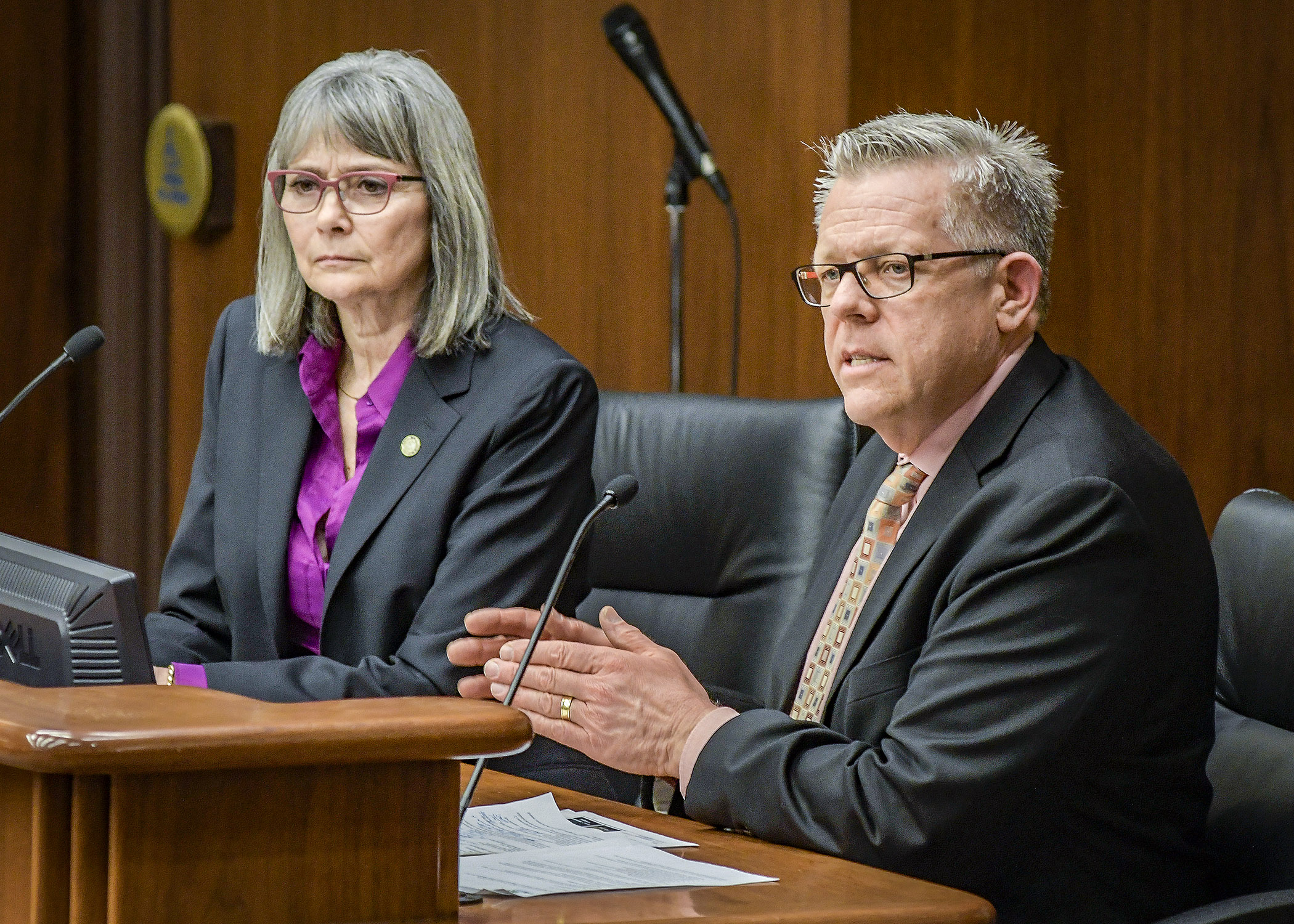
A proposal to increase funding for the University of Minnesota’s Forever Green Agriculture Initiative found traction in the House Environment and Natural Resources Finance Division Thursday.
Sponsored by Rep. Ginny Klevorn (DFL-Plymouth), HF2061 proposes appropriating $10 million from the Clean Water Fund in the 2020-21 biennium for the initiative, a sizable increase over prior years.
The bill was approved and sent to the House Ways and Means Committee, with a recommendation that it be referred to the House Legacy Finance Division. It has no Senate companion.
Per the bill, the funds purpose is “protecting the state's natural resources while increasing the efficiency, profitability, and productivity of Minnesota farmers by incorporating perennial and winter-annual crops
into existing agricultural practices.”
The initiative has received around $1 million a year, according to Steve Morse, executive director at Minnesota Environmental Partnership.
“This combines the best of both worlds,” Morse said. “It gives us the conservation values of set-aside land while providing an agricultural crop for farmers, so we think it is a really unique effort that we hope you will take hold of and support very robustly.”
Decades of investment has resulted in new crops being developed that help protect soil and water resources for farmers and state residents, Klevorn said.
Kernza wheat can be planted and then harvested for multiple years, explained Kayla Altendorf, a graduate student with the university’s Department of Agronomy and Plant Genetics. The first developed strain is to be released this year and some commercial products are already available on the market.
Also being produced are pennycress and camelina, both oil seeds, with development underway for winter barley, hazelnuts, perennial flax, berries, summer annual grains, perennial sunflowers, and woody perennials for biomass, Morse noted.
Rep. Dan Fabian (R-Roseau) asked if the initiative, and the university have a stance on genetically modified products. “GMOs play an amazingly important role in agriculture,” Fabian said.
“We’ve used only traditional breeding approaches on all of the Forever Green products,” Altendorf said. “We haven’t utilized GMO technology at this time. I would say, in part, because we feel like we don’t need to. Maybe in the future. ... We haven’t come to that point yet.”
Related Articles
Search Session Daily
Advanced Search OptionsPriority Dailies
Could 2026 retirements lead to record turnover in the House?
By Lisa Kaczke In the final weeks of the legislative session, House members not seeking re-election to the body have taken a turn at gaveling in a floor session.
It’s an opportunity to loo...
How short are the Legislature's short sessions?
By Lisa Kaczke Rep. Ron Kresha (R-Little Falls) was ready to end the session March 25, making the motion to adjourn sine die. But not enough of his colleagues shared that sentiment, defeating ...
