 Minnesota Legislature
With COVID-19 cases surging, Walz calls Legislature back for year's sixth special session on Thursday
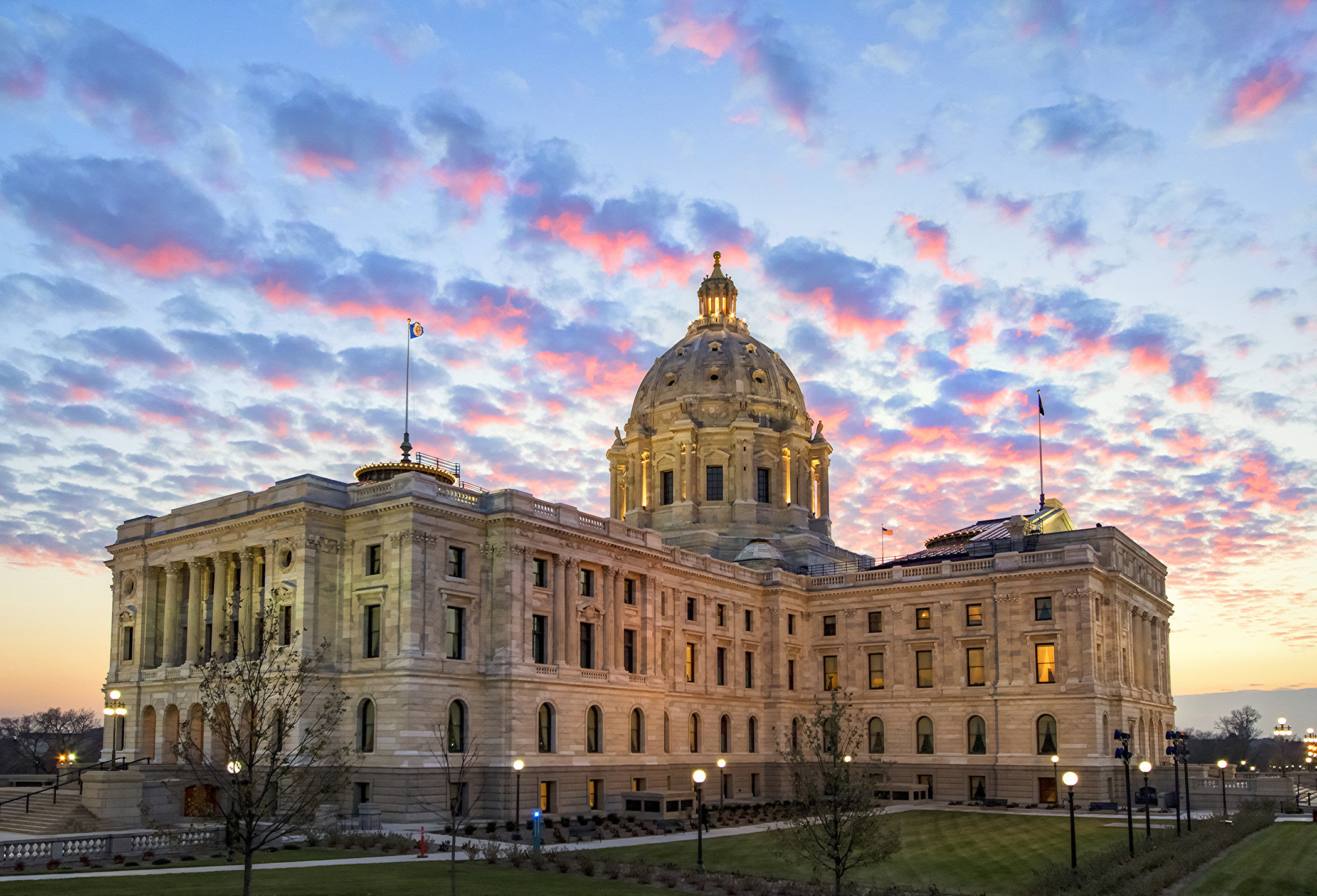
With new COVID-19 records for cases, hospitalizations and deaths being set almost daily in Minnesota, the Legislature will get back together at noon on Thursday.
On Monday, Gov. Tim Walz issued a proclamation calling the House and Senate back to St. Paul Nov. 12, and noted he intends to extend the COVID-19 peacetime emergency by 30 days to help the state continue to quickly and effectively respond to the pandemic. However, many members are expected to participate remotely.
“This is a dangerous phase of this pandemic. We’re in the midst of a surge in case positivity and hospitalizations,” Walz said in a statement. “Extending the Peacetime Emergency will help ensure we have the tools we need to respond quickly to protect Minnesotans’ health and well-being.”
Earlier Monday, Walz announced a “significant expansion in COVID-19 testing access,” a tool permitted the state’s top elected official through the peacetime emergency declaration. In the first five special sessions of 2020, a resolution to end the governor’s peacetime emergency powers was passed by the Senate, but a concurrent House resolution not come up for a vote.
This will be the sixth special session of 2020 and 14th special session since 2010.
Here’s a recap of this year’s first five special sessions:
- a capital investment, tax and spending law was passed at the October gathering, along with a trio of other smaller bills;
- in September the House voted for the fourth straight month against bringing up a concurrent resolution that would end Walz’s peacetime emergency powers in response to the COVID-19 pandemic;
- a law to provide economic relief to disability service providers was passed in August;
- a police reform and accountability package was one of two laws passed in the July gathering; and
- the June special session ended without agreement on a quartet of bills that included overhauling public safety and police accountability and allocating federal coronavirus funds to local units of government.
Looking ahead, the 2021 session is scheduled to begin Jan. 5. For a preliminary look at who is scheduled to serve in the House during the 2021-22 biennium, check out the Election Directory published by the nonpartisan House Public Information Services Office.
Related Articles
Search Session Daily
Advanced Search OptionsPriority Dailies
Legislative leaders set 2026 committee deadlines
By Lisa Kaczke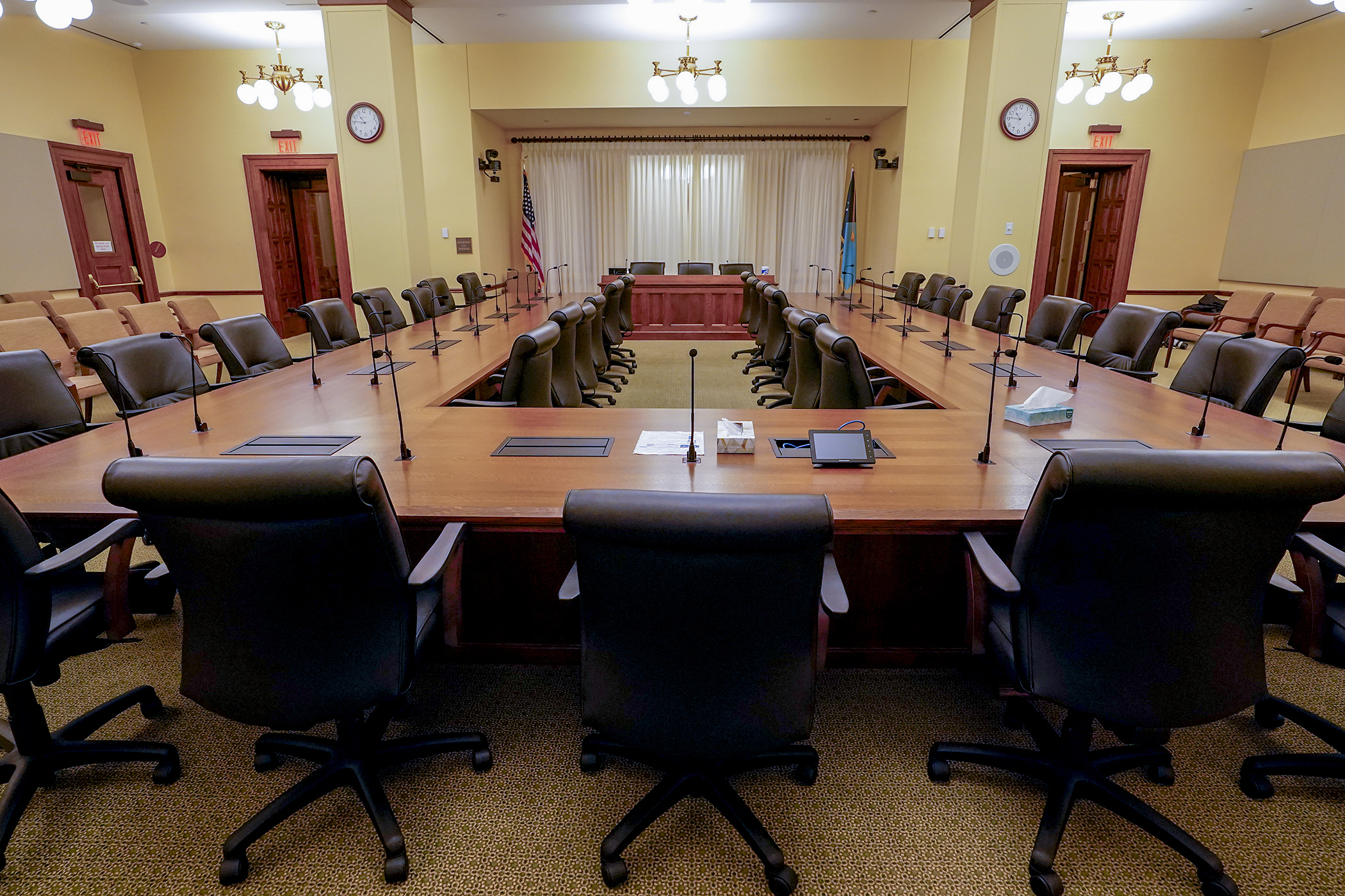 Legislative leaders on Tuesday officially set the timeline for getting bills through the committee process during the upcoming 2026 session.
Here are the three deadlines for...
Legislative leaders on Tuesday officially set the timeline for getting bills through the committee process during the upcoming 2026 session.
Here are the three deadlines for...
Latest budget forecast projects nearly $2.5 billion surplus, but red ink down the road
By Mike Cook Three weeks before Christmas, state budget officials provided some merriment to Minnesotans. However, Grinch-like transformations lurk.
Released Thursday, the November ...
Three weeks before Christmas, state budget officials provided some merriment to Minnesotans. However, Grinch-like transformations lurk.
Released Thursday, the November ...
