 Minnesota Legislature
Panel addresses the metro’s most expensive transit routes
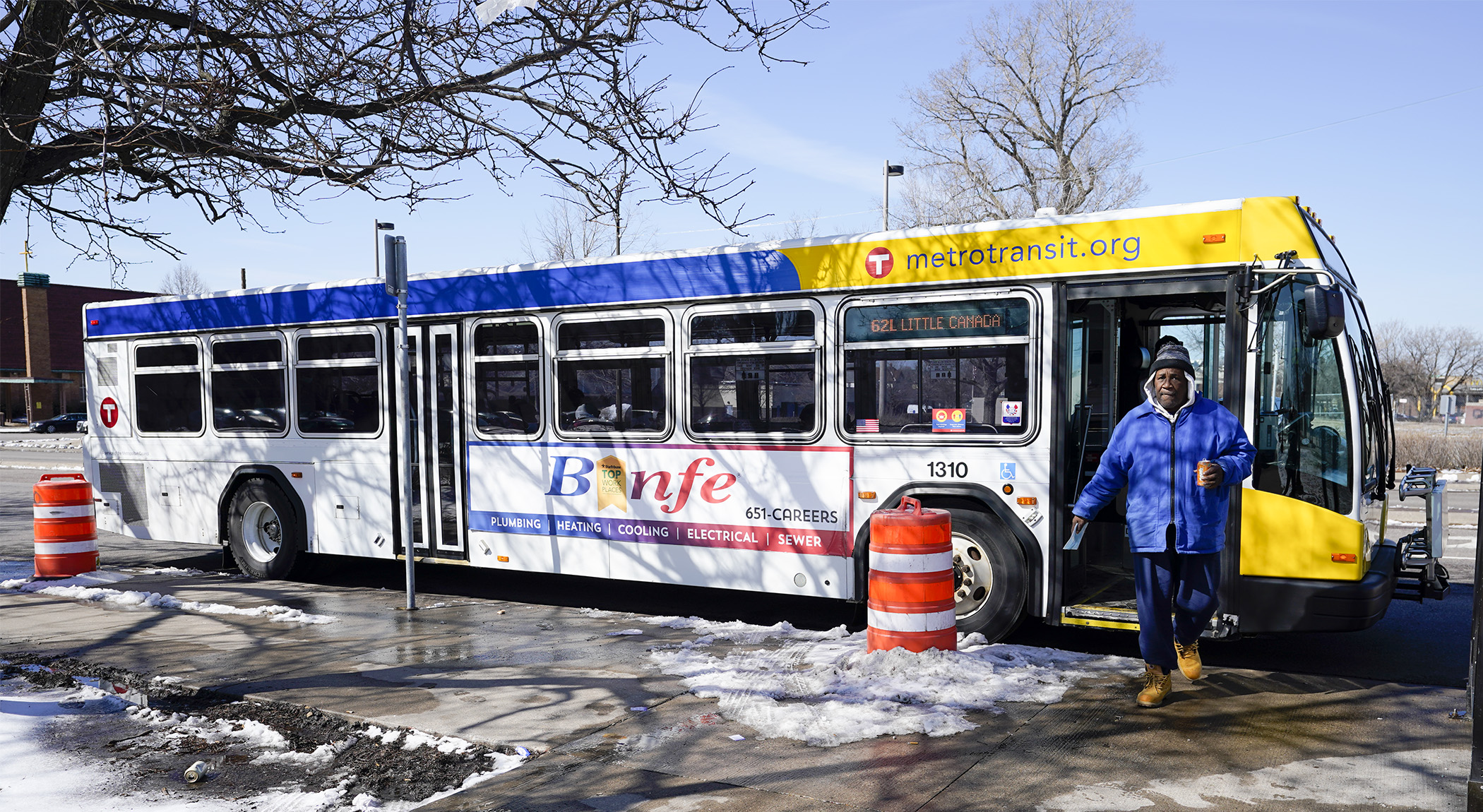
How much subsidy is too much subsidy?
The Legislature set to figure that out when it commissioned a Metropolitan Council report last session. It sought to determine the actual cost of transporting a Twin Cities-area transit user on a given route and see if high subsidies could be addressed by eliminating or combining routes.
On Wednesday, the House Transportation Finance and Policy Committee heard a presentation on the completed report, which identified 28 transit routes as being “high-subsidy.” Among those in operation throughout 2024 that are still running, per-passenger subsidies ranged from $23.83 to $110.30. The report concluded that discontinuing those routes could save $23 million annually and $72 million in capital expenses.
[MORE: View the Metropolitan Council’s PowerPoint presentation]
So how do you define a “subsidy” in this context? You take the operating costs of running a particular bus or train route and subtract the fare revenue generated on them. Divide by the number of passengers served by that route and you have a per-passenger operating subsidy.
Charles Carlson, the council’s executive director of Metropolitan Transportation Services, outlined strategies designed to reduce per-passenger subsidies, including:
- increasing ridership;
- changing providers;
- reducing cost drivers;
- reducing service;
- changing service type; and
- eliminating routes.
Of the 28 transit routes recommended for restructuring or elimination based on 2024 ridership figures, 18 are part of the Minnesota Valley Transit Authority system, which serves seven cities in the south metropolitan area. Among routes currently in operation, the highest 2024 per-passenger subsidies on that system were for the 499 Route — both on Sunday ($110.30 per passenger) and weekdays ($105.05) — and the weekday 489 Route ($102.20).
Other routes on that system recommended for restructuring or elimination ranged in per-passenger subsidies between $50.25 and $98.96.
As for the most cost-effective transit routes in the Twin Cities area, honors go to Metro Transit’s Route 539 weekday bus ($4.44 subsidy per passenger), its Green Line train on weekdays ($4.40) and Saturdays ($5.21), and its D Line arterial bus rapid transit route on weekdays ($5.14) and Saturdays ($5.83).
Rep. Erin Koegel (DFL-Spring Lake Park) asked if the infrastructure costs of developing light rail and bus rapid transit lines were figured into the calculations. Carlson responded that only current operating costs were included. Koegel compared subsidy levels for some of the MVTA routes to those of the discontinued North Star commuter rail line, which she said ranged between $116 and $119 per passenger.
“We’ll be working on some draft legislation,” said Rep. Jon Koznick (R-Lakeville), the committee’s co-chair. “How can we more effectively deliver transit systems and rides that people need to use in a more respectful and effective taxpayer form?”
[MORE: View the complete Metropolitan Council report]
The report also examined the costs of Metro Mobility services for rides that are near high-subsidy routes, and concluded that such trips cost $6.1 million in 2024, or 5.9% of the Metro Mobility program’s total costs. The program serves riders with a disability or health condition.
Related Articles
Search Session Daily
Advanced Search OptionsPriority Dailies
Could 2026 retirements lead to record turnover in the House?
By Lisa Kaczke In the final weeks of the legislative session, House members not seeking re-election to the body have taken a turn at gaveling in a floor session.
It’s an opportunity to loo...
In the final weeks of the legislative session, House members not seeking re-election to the body have taken a turn at gaveling in a floor session.
It’s an opportunity to loo...
How short are the Legislature's short sessions?
By Lisa Kaczke Rep. Ron Kresha (R-Little Falls) was ready to end the session March 25, making the motion to adjourn sine die. But not enough of his colleagues shared that sentiment, defeating ...
