 Minnesota Legislature
Minnesota’s move to autonomous vehicles stalls in transportation committee
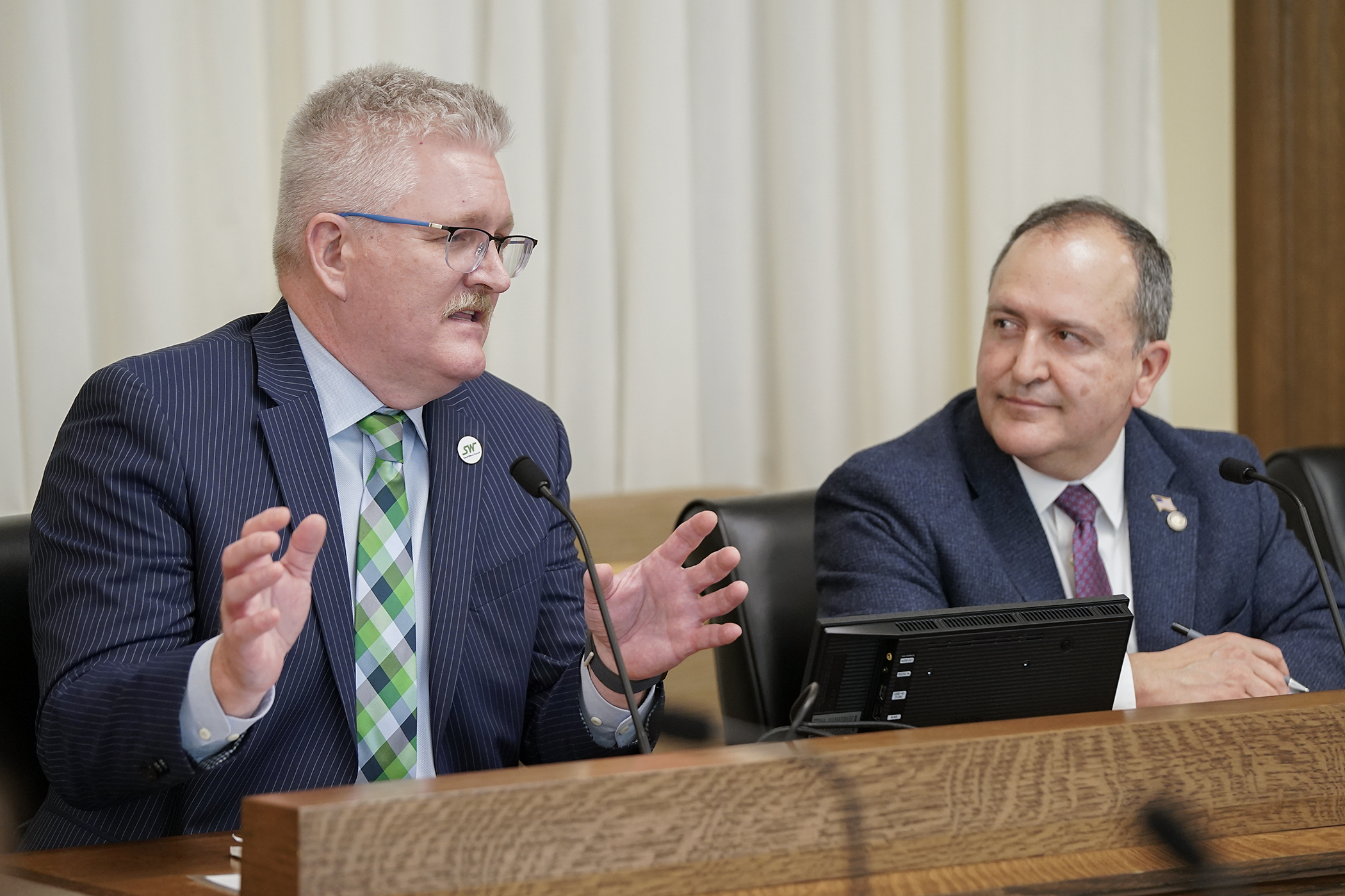
The day of the empty driver’s seat is upon us.
If you’ve visited one of the 10 states where rideshare company Waymo operates, you may have seen a vehicle with no one behind the steering wheel, or perhaps you’ve been a passenger in one of its self-driving autos.
Now Waymo (and perhaps other rideshare companies that use autonomous vehicles) is preparing to come to Minnesota. Is state law sufficiently prepared for this new way of getting around?
Rep. Jon Koznick (R-Lakeville) believes that it’s not, so he’s sponsoring HF3513. It would establish a regulatory framework for autonomous vehicles, including altering several definitions in statute and setting out requirements for operations, insurance and regulations for transportation services.
On Wednesday, the House Transportation Finance and Policy Committee heard from 18 testifiers who were split on the pros and cons of autonomous vehicles, then considered eight amendments, adopting three.
But when Koznick moved to set aside the remaining eight amendments and approve the bill, the motion failed on a party-line vote with one abstention. Brakes engaged, the bill was laid over for further committee consideration.
“There is exciting emerging technology in transportation that I think is going to be transformative to all sorts of transit modes and systems,” Koznick said. “This legislation establishes a clear and predictable framework for autonomous vehicles operating in Minnesota.”
The bill deals with a plethora of concerns, among them dealing with collisions, setting requirements for insurance and transportation service networks, and giving the state controlling authority on regulation, barring municipalities and counties from setting their own rules for autonomous vehicles.
That last provision inspired letters to the committee from multiple organizations objecting to limiting local control. Some testifiers echoed those concerns, while three Minnesota rideshare drivers spoke of autonomous vehicles not being able to deal with passenger emergencies and being untested in the state’s cold and snowy weather.
Meanwhile, advocates for those with disabilities said they believe autonomous vehicles could make their lives easier by circumventing the discrimination they’ve experienced from rideshare drivers. And some who have taken Waymo rides in other states said they felt considerably safer than during some rideshare experiences they’ve had in Minnesota.
“I took a time warp to the future,” said retired 911 dispatcher Alex Smith. “But it was a safer future.”
The committee adopted Koznick amendments that made multiple corrections in the bill’s text, established the source of an appropriation and clarified some elements of operating near airports.
But Koznick recommended the committee reject all other amendments, including some that dealt with interactions with public transit, incident reporting, licensure, delivery of goods and wheelchair accessibility.
None were adopted.
Related Articles
Search Session Daily
Advanced Search OptionsPriority Dailies
Could 2026 retirements lead to record turnover in the House?
By Lisa Kaczke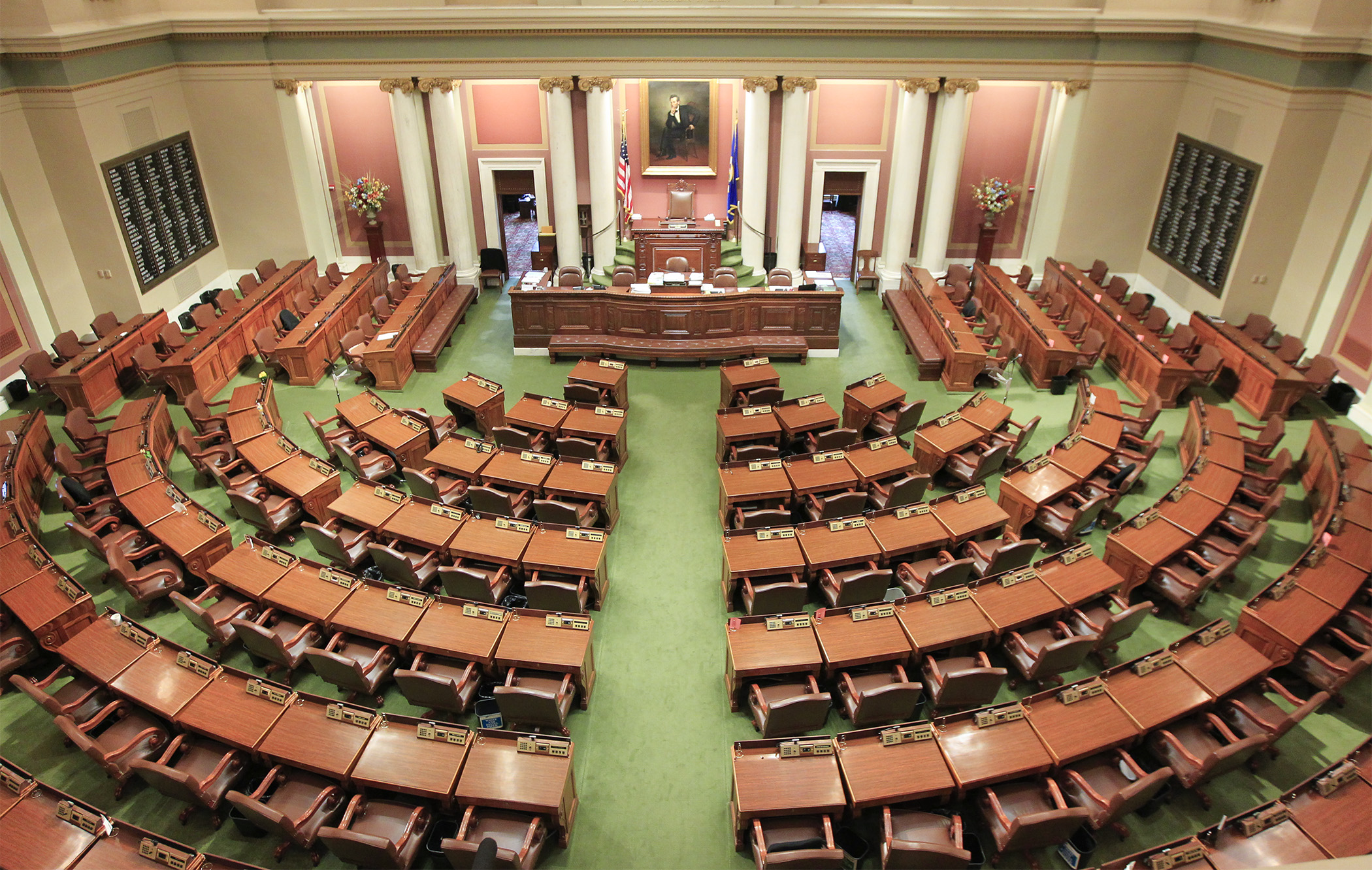 In the final weeks of the legislative session, House members not seeking re-election to the body have taken a turn at gaveling in a floor session.
It’s an opportunity to loo...
In the final weeks of the legislative session, House members not seeking re-election to the body have taken a turn at gaveling in a floor session.
It’s an opportunity to loo...
How short are the Legislature's short sessions?
By Lisa Kaczke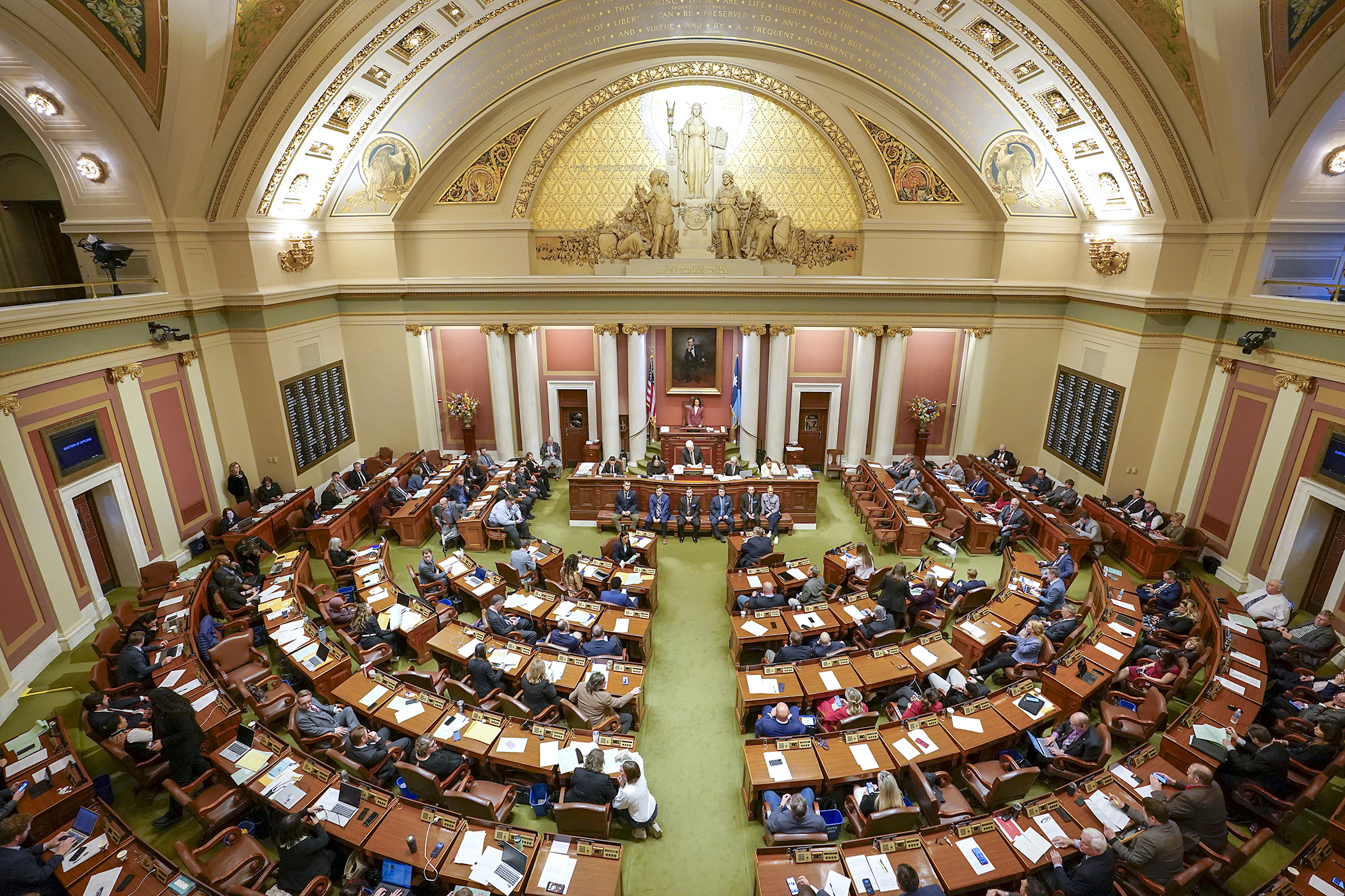 Rep. Ron Kresha (R-Little Falls) was ready to end the session March 25, making the motion to adjourn sine die. But not enough of his colleagues shared that sentiment, defeating ...
