 Minnesota Legislature
Legislators respond to rising food insecurity among children
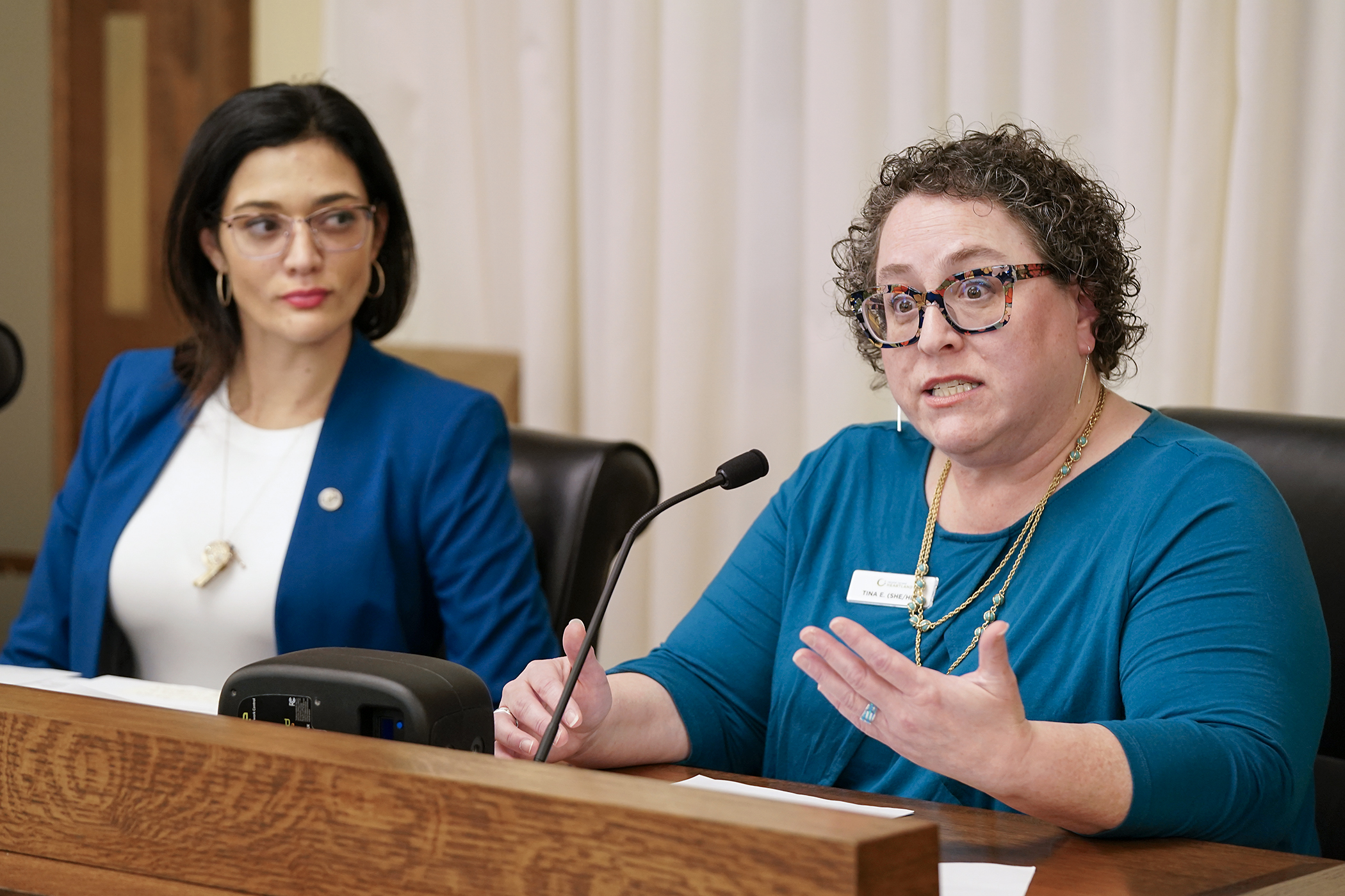
House members are trying to find ways to keep children fed as the state faces federal cuts to food programs under President Donald Trump’s “Big Beautiful Bill” paired with rising demand for food from food shelves.
The House Children and Families Finance Policy Committee heard a quartet of bills Wednesday to try to address shortfalls and mitigate child food insecurity.
The committee approved two bills and sent them to the House Ways and Means Committee:
- HF3624, sponsored by Rep. Nathan Coulter (DFL-Bloomington), which would provide $5.39 million for the Minnesota Food Shelf Program in Fiscal Year 2027; and
- HF3586, sponsored by Rep. Steve Gander (R-East Grand Forks), which would establish a regional food bank grant program and allocate $10 million in Fiscal Year 2027 and set that as the base funding in Fiscal Years 2028 and 2029.
Two bills were laid over:
- HF45, as amended, sponsored by Rep. María Isa Pérez-Vega (DFL-St. Paul), which would appropriate an additional $1.75 million in Fiscal Year 2027 to restore Supplemental Nutrition Assistance Program outreach funding; and
- HF1148, as amended, sponsored by Rep. Nathan Coulter (DFL-Bloomington), to establish a prepared meals grant program "to provide hunger relief to Minnesotans experiencing food insecurity and who have difficulty preparing meals due to limited mobility." It would appropriate $1 million for the program in Fiscal Year 2027.
According to 2025 survey data from Second Harvest Heartland, one in five families in Minnesota cannot afford the food they need without assistance.
Meanwhile, visits to food shelves are increasing with Minnesota seeing more than 9 million food shelf visits in 2025, said Shaye Morris, president and CEO of Second Harvest Northland.
Effective Oct. 1, 2026, Minnesota is projected to receive $39 million less annually in federal funding for SNAP. This cuts the federal reimbursement to state and local governments administering the program from 50% to 25%. Recipients will also see other changes, including expanded work requirements and limits on eligibility for noncitizens.
Additional financial burden could also come from penalties from errors that occur as new work requirements increase the administrative workloads, said Clay County Board Chair Jenny Mongeau. Work is done on outdated computer systems that already pose challenges, she added. These antiquated systems also came up this week during a Medicaid report to the House Human Services Finance and Policy Committee.
“I’ve never thought in my professional life I would get to a point where I would refer to Oregon Trail as being a life changing, historic advancement,” but it is compared to the social services technology used by counties, Mongeau said.
Related Articles
Search Session Daily
Advanced Search OptionsPriority Dailies
Could 2026 retirements lead to record turnover in the House?
By Lisa Kaczke In the final weeks of the legislative session, House members not seeking re-election to the body have taken a turn at gaveling in a floor session.
It’s an opportunity to loo...
In the final weeks of the legislative session, House members not seeking re-election to the body have taken a turn at gaveling in a floor session.
It’s an opportunity to loo...
How short are the Legislature's short sessions?
By Lisa Kaczke Rep. Ron Kresha (R-Little Falls) was ready to end the session March 25, making the motion to adjourn sine die. But not enough of his colleagues shared that sentiment, defeating ...
