 Minnesota Legislature
Capping concert ticket resale prices, adding price transparency get commerce panel approval
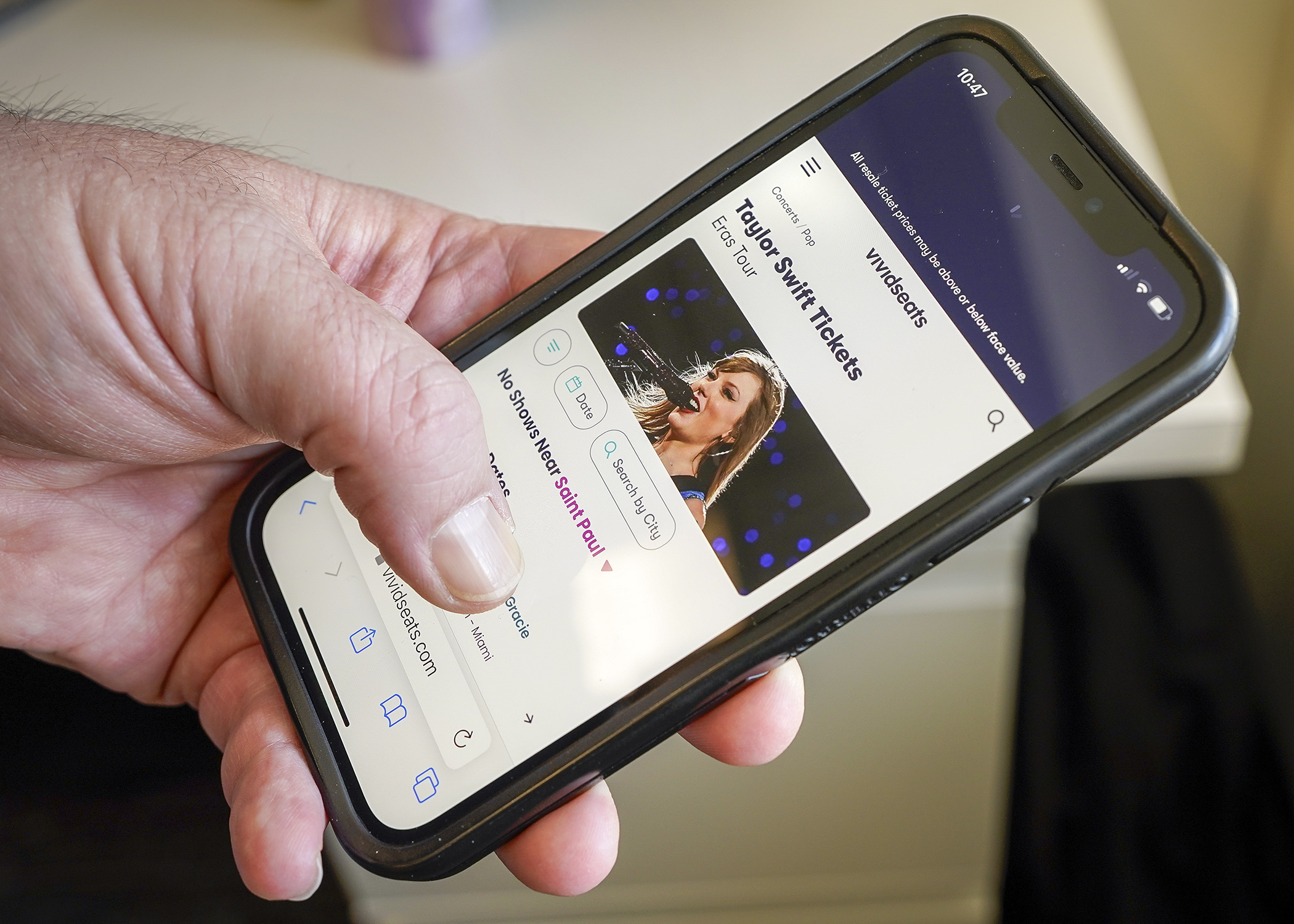
Bill Childs attends an average of 54 concerts a year.
“Getting out to see so many bands is really important to me personally. … It’s important for people’s mental health, and a thriving and sustainable live music scene is also incredibly important for our cities and our restaurants and our art scene,” said the St. Paul resident.
But he found the ticket for the band he’ll be seeing at First Avenue next week for $100 more than the original ticket price on a ticket reseller website.
It’s “frustrating” when the additional money he’s paying for a resale ticket is going to a company that isn’t doing anything to make the concert experience better because it’s not affiliated with the music or venue, he said. And his son often can’t attend concerts because of the higher resale prices.
Rep. Erin Koegel (DFL-Spring Lake Park) wants to “stop making fun too expensive.” And that’s what she calls HF4250, a bill she sponsors to ban ticket resellers and online ticket marketplaces from reselling tickets for more than 115% of the ticket’s original price, including all fees and surcharges. Tickets for collegiate and pro sports events and Broadway shows would be exempt.
Resellers would also have to clearly list the ticket’s original price and the percentage markup above the original price. All fees and surcharges would have to be included in those numbers.
Approved Wednesday via a non-unanimous voice vote by the House Commerce Finance and Policy Committee, the bill was sent to the House Judiciary Finance and Civil Law Committee.
Koegel said she’s sponsoring the bill because she and a friend tried to get concert tickets only to find the cheapest ticket was $231. They later found out the face value of the ticket they purchased was $18.
Events bring people together, which is “something that we are desperately missing right now,” she said. “We are all so disconnected from each other.”
[MORE: National Independent Venue Association testimony]
Committee Co-Chair Rep. Tim O'Driscoll (R-Sartell) questioned if the bill would impact the antitrust lawsuit the Attorney General’s Office is currently pursuing against Ticketmaster owner Live Nation. Koegel responded that that question could be answered in the judiciary committee’s hearing.
Rep. Nolan West (R-Blaine) likes the disclosure pieces of the bill, but has concerns about the price cap because price caps “almost always fail, create shortages and enrich entrenched players.” The price caps could create a situation where people can resell tickets that are in demand “at a massive markup” on places like Facebook Marketplace and Craigslist.
[MORE: Ticket Policy Forum testimony]
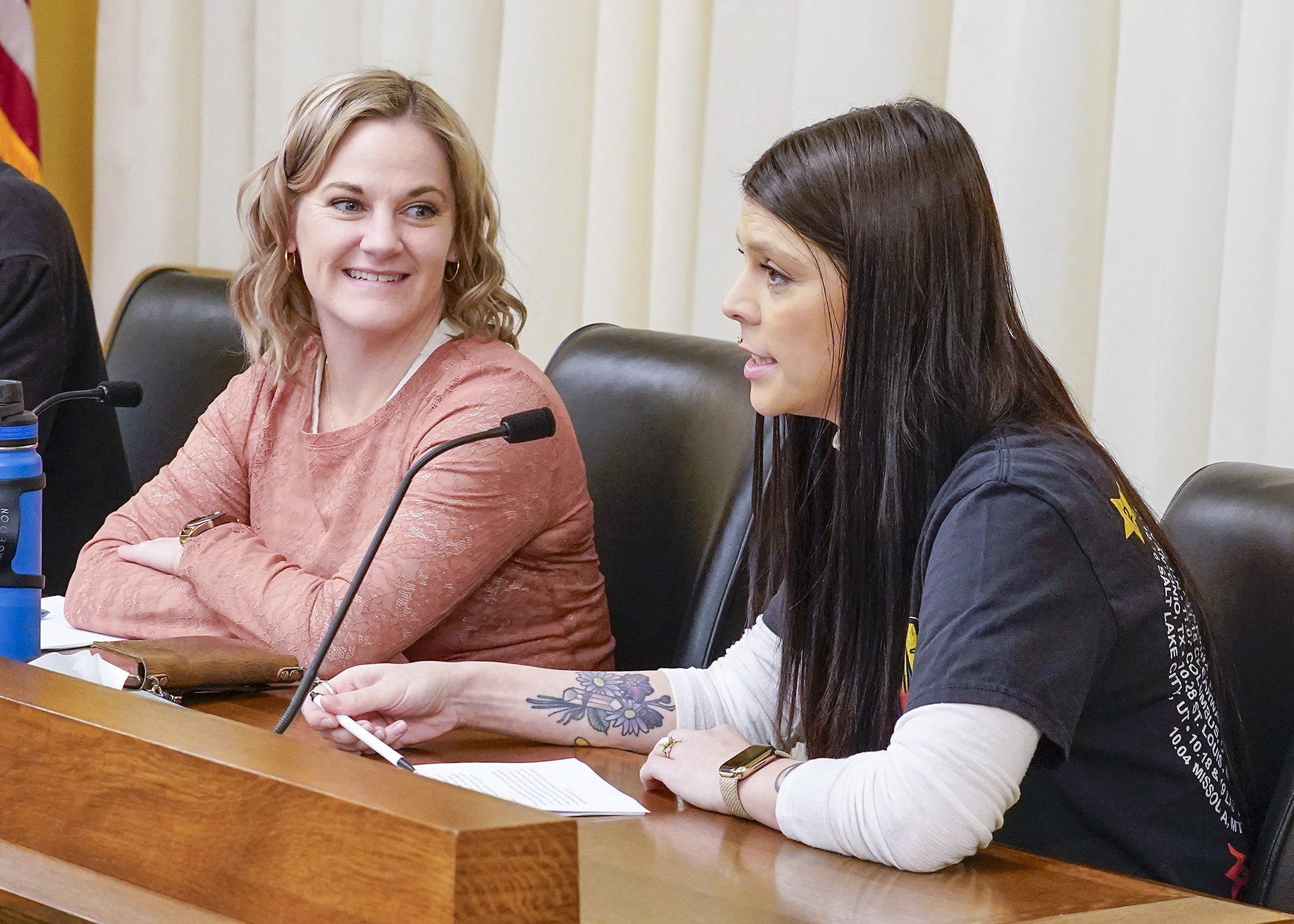 Adrianna Korich-Bruce, senior director of ticketing at First Avenue Productions, testifies before the House Commerce Finance and Policy Committee March 18 in support of HF4250, sponsored by Rep. Erin Koegel, left. (Photo by Andrew VonBank)
Shaun Chapman, senior manager of government affairs at StubHub, echoed West, saying price controls backfire by pushing ticket purchases from regulated marketplaces to unregulated online spaces where people can be scammed without recourse. The price cap also puts the burden on resale ticket platforms to find out the original price, which could be affected by dynamic pricing, pre-sales, season tickets or promotions.
“Two fans sitting next to each other could have paid very different prices for identical seats,” Chapman said.
Ian Lee, senior policy director at Ticket Policy Forum, said reseller platforms often can’t see the original ticket price and would have a problem complying with the bill. Additionally, it would create an unfair system instead of the current system where consumers can compare between websites and often find resale tickets cheaper than the original price.
[READ: Live Nation written testimony]
Adrianna Korich-Bruce, senior director of ticketing at First Avenue Productions, said the 2024 state law to regulate online ticket sellers and bulk ticket buyers was a first step that helped with ticketing issues.
“Unless we disincentivize this out-of-control resale industry, the bots and the ticket brokers will continue to outpace us, stripping assets from local communities while small businesses and independent artists fight for the scraps at the bottom,” she said.
It’s not an issue of a free market; it’s “a distorted market,” she said. Fans get scammed out of paying hundreds of dollars extra for tickets, which means they must economize elsewhere by not eating out before the show, staying at a hotel, traveling to an indie show in a smaller market and buying less alcohol and merchandise at the show while ticket resellers extract money from the community with no risk for producing the event.
They experience this situation every day at First Avenue and its affiliated venues, she said. She received a call last weekend from someone who had a family member pay nearly $1,200 for a ticket when tickets were as low as $63 on their website and they had more than 90% of the ticket inventory still available.
“I’ve spent my life attending concerts and supporting indie venues and artists and, frankly, I’m very concerned with the sustainability of this industry and this art form if we do not get a handle on the price gouging and the deception that is happening to consumers on the secondary ticket market,” she said.
Related Articles
Search Session Daily
Advanced Search OptionsPriority Dailies
Could 2026 retirements lead to record turnover in the House?
By Lisa Kaczke In the final weeks of the legislative session, House members not seeking re-election to the body have taken a turn at gaveling in a floor session.
It’s an opportunity to loo...
In the final weeks of the legislative session, House members not seeking re-election to the body have taken a turn at gaveling in a floor session.
It’s an opportunity to loo...
How short are the Legislature's short sessions?
By Lisa Kaczke Rep. Ron Kresha (R-Little Falls) was ready to end the session March 25, making the motion to adjourn sine die. But not enough of his colleagues shared that sentiment, defeating ...
