 Minnesota Legislature
Agriculture committee scratches bill that would ban cat declawing
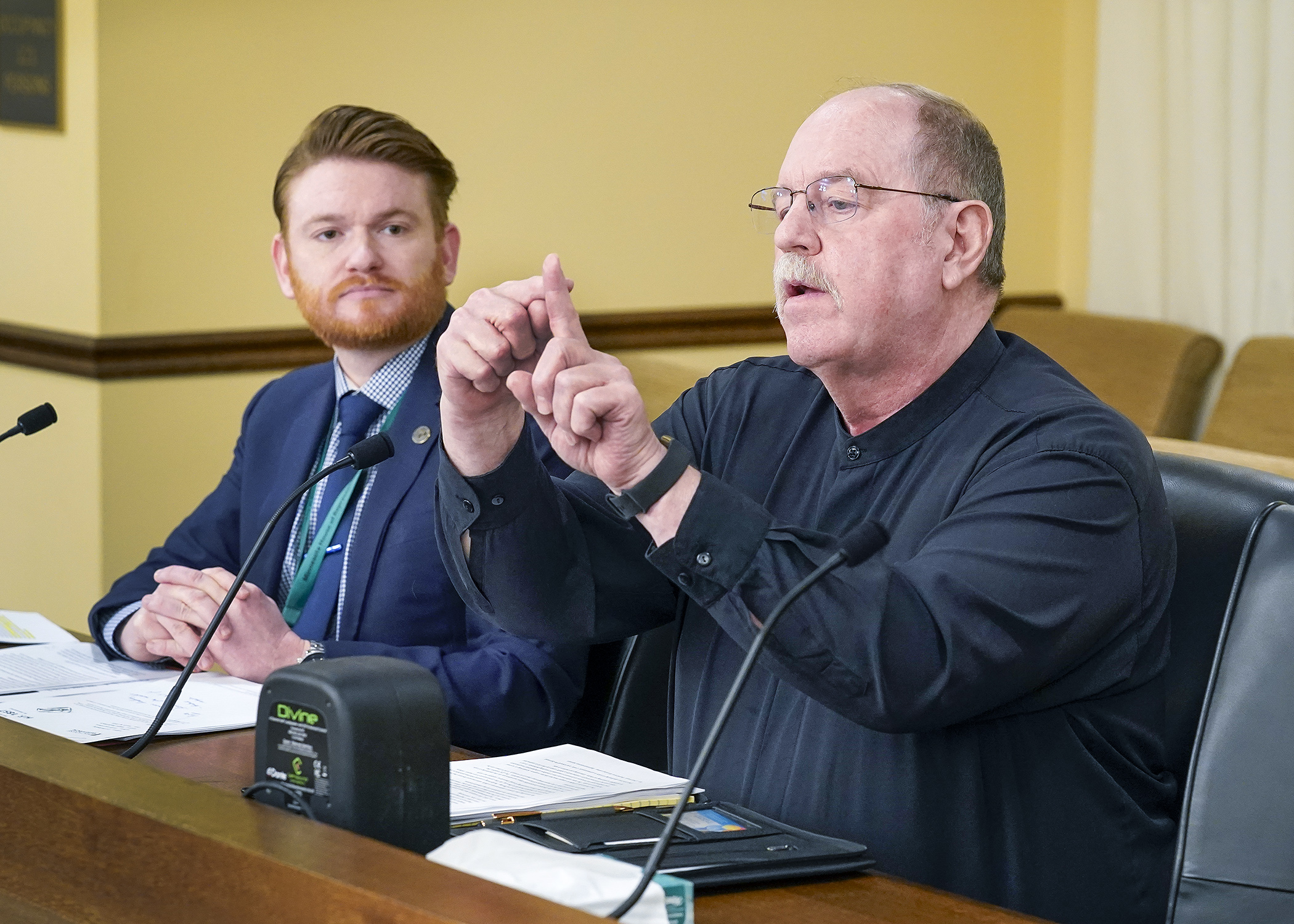
A veterinarian for 42 years, Ronald W. Gaskin said declawing cats has been “done in ignorance” for more than 70 years.
“I have seen firsthand the functional damage caused by declawing cats,” said the owner of Main Street Veterinary Service, listing forcing them to walk directly on their amputated toes as an example, which can cause permanent pain and can lead to hip arthritis and lower back pain.
About 33% of declawed cats will have these painful side effects, he said. “Ongoing pain can trigger aggressive behavior, elimination outside of the litter box, and biting.”
Sponsored by Rep. Andy Smith (DFL-Rochester), HF1857 would ban the declawing of cats unless the procedure was needed for a therapeutic purpose that would treat a condition jeopardizing a cat’s health. Violators faced fines of $500-$2,500.
However, it failed to garner approval of the House Agriculture Finance and Policy Committee Wednesday, failing along party lines.
Smith said although declawing sometimes achieves the desired effects — owners choose it mainly to reduce unwanted scratching — it is fundamentally cruel, painful in the short- and long-term, and can lead to other behavioral and psychological problems.
“There is widespread agreement that this procedure is not good for cats, not good for cat owners,” Smith said.
About 22% of cats in the U.S. are declawed, according to the Humane Veterinary Medical Alliance, a number that hasn’t changed in the last decade, indicating that while fewer veterinarians perform the surgery, cat owners can find veterinarians who will.
Rob Memmen, past president of the Minnesota Veterinary Medical Association, opposes a ban.
“It removes a veterinarian’s and the client’s right to choose whether to perform a surgical procedure,” said Memmen, a co-owner of Gehrman Animal Hospital in Minnetonka.
A better path to take, he said, is to follow the association’s guidance, which is to encourage veterinarians to both “strongly oppose” declawing and to provide more education to cat owners about the many downsides of the procedure.
“The veterinary medical profession has appropriately regulated itself, moving away from this procedure over the years and it continues to do so in a thoughtful and compassionate manner,” he said.
Megan Hamilton, president of Basil’s Cradle, a special needs cat rescue, said many veterinarians who still practice declawing justify it by claiming that declawing will keep cats in their homes and they won’t be euthanized for unwanted behaviors.
“This is an easily disproved myth,” she said. “Many declawed cats end up abandoned precisely because their owners do not want to deal with their behavioral issues after declawing.”
Rep. Bobbie Harder (R-Henderson) recognizes the dangers of the surgery but said that it should still be an available option. She doesn’t want to stand between a pet owner and a veterinarian making a personal decision.
Related Articles
Search Session Daily
Advanced Search OptionsPriority Dailies
Could 2026 retirements lead to record turnover in the House?
By Lisa Kaczke In the final weeks of the legislative session, House members not seeking re-election to the body have taken a turn at gaveling in a floor session.
It’s an opportunity to loo...
In the final weeks of the legislative session, House members not seeking re-election to the body have taken a turn at gaveling in a floor session.
It’s an opportunity to loo...
How short are the Legislature's short sessions?
By Lisa Kaczke Rep. Ron Kresha (R-Little Falls) was ready to end the session March 25, making the motion to adjourn sine die. But not enough of his colleagues shared that sentiment, defeating ...
