 Minnesota Legislature
Bill would regulate services allowing employees early access to wages
For people who live paycheck to paycheck, a situation like a flat tire or dead car battery can result in overdrafts and bad checks.
People in those situations need options and earned wage access, which allows a person to receive the pay they’ve already earned in the current payroll cycle before their paycheck, is one option.
“We’re helping people get through something that was unexpected and can be very difficult in the times that you’re living. … But we’ve all been there. It doesn’t matter what level of capital you may have in your life. An obstacle is an obstacle, and you have to navigate it,” said Rep. Ron Kresha (R-Little Falls).
To regulate earned wage access providers, he’s sponsoring HF2874. As amended, it would set out requirements for companies offering earned wage access services, including requiring clearly disclosed fees and capping fees at $5 for $75 and less or $7.50 for more than $75.
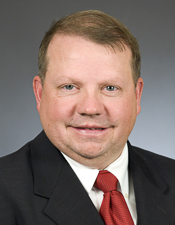
The House Commerce Finance and Policy Committee laid the bill over Tuesday for possible omnibus bill inclusion.
Opponents say earned wage access is a veiled payday loan that digs a person into debt because their paycheck is then smaller, which results in them needing another loan to fill the hole in their paycheck.
Yasmin Farahi, deputy director of state policy and senior policy counsel at the Center for Responsible Lending, said the bill “creates a carve out that allows predatory lenders to evade the core protections in Minnesota’s strong lending laws.” Specifically, she said the bill would redefine transactions as non-credit to evade interest rate limits and consumer protections.
Citing the center’s data, she said that earned wage access app users, on average, double the number of times they use the service in the first year from twice per month to four times a month and people routinely use multiple earned wage access services at the same time. Three-quarters of borrowers immediately borrow again and checking account overdrafts increase by 56% on average after using an earned wage access app.
[MORE: Read written testimony]
Molly Jones, head of public policy at Payactiv, said more than 15,000 Minnesotans have used their earned wage access service and more than 600 employers in the state offer Payactiv’s service as a workplace benefit. Their service integrates into an employer’s payroll system, allowing Payactiv to calculate the exact amount in wages an employee has earned during the pay period.
The Consumer Financial Protection Bureau issued an advisory opinion stating that earned wage access isn’t a loan because credit isn’t being extended and it’s money the worker has already earned, she said. She added that the bill would require earned wage access providers to adhere to strict procedures to operate in the state and ensure they abide by consumer protections.
The Attorney General’s Office and Department of Commerce oppose the bill.
Assistant Attorney General Sarah Doktori said it would undermine the state’s consumer protections, noting that a $5 fee on a $25 payment, which is common with earned wage access, isn’t currently allowed under state law.
Related Articles
Search Session Daily
Advanced Search OptionsPriority Dailies
Could 2026 retirements lead to record turnover in the House?
By Lisa Kaczke In the final weeks of the legislative session, House members not seeking re-election to the body have taken a turn at gaveling in a floor session.
It’s an opportunity to loo...
In the final weeks of the legislative session, House members not seeking re-election to the body have taken a turn at gaveling in a floor session.
It’s an opportunity to loo...
How short are the Legislature's short sessions?
By Lisa Kaczke Rep. Ron Kresha (R-Little Falls) was ready to end the session March 25, making the motion to adjourn sine die. But not enough of his colleagues shared that sentiment, defeating ...
