 Minnesota Legislature
Housing conferees agree on funding, split on manufactured home provisions
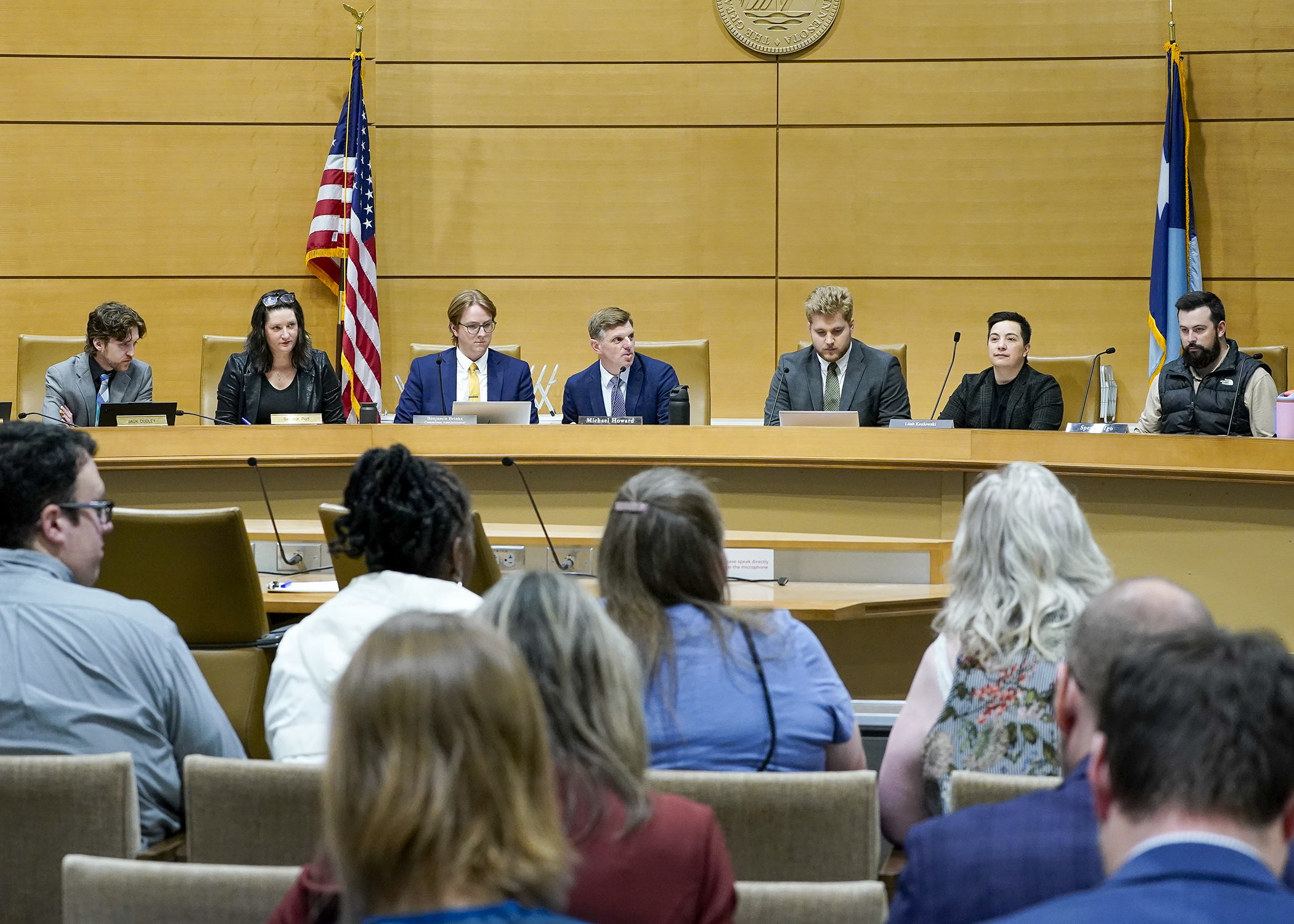
The looming end of session means the end of an intense two-year conversation, Rep. Michael Howard (DFL–Richfield) said as he wrapped up a conference committee hearing on the housing finance and policy bill. “A lot of us have felt that weight because we need to be able to respond to the squeeze renters and homeowners are feeling.
“What is also incredible is that we are on the precipice of passing a really great bill that will make a difference for thousands of Minnesotans,” he said.
On Friday, conferees reviewed the side-by-side comparison of HF1141 and took testimony. Howard and Sen. Lindsey Port (DFL–Burnsville) are the sponsors.
Conferees agree on the financial components, which include at least $50 million in housing infrastructure bonds, as well as funding for family homelessness prevention and workforce housing.
[MORE: Side-by-side, spreadsheets]
House provisions
The House bill, which passed 99-34 May 4, would provide $160 million for additional housing and homelessness prevention, including authority to issue $100 million in housing infrastructure bonds, $40 million for the Family Homeless Prevention Assistance Program, and $20 million for the Greater Minnesota Workforce Housing program.
The result would be more than 2,000 new housing units of all kinds in all areas, said Rep. Spencer Igo (R-Wabana Township). Funds would come from interest earned on legislative appropriations by Minnesota Housing and unspent money set aside for the Tyler Settlement.
The House bill also includes $150,000 each for a senior housing homeshare pilot program and homeowners’ education.
Manufactured home parks
The Senate bill includes provisions from a so-called “manufactured homes bill of rights.” The standalone bill, SF2691, passed the Senate 35–31 on April 21. Rep. Matt Norris (DFL–Blaine) sponsors a similar House bill, HF2381.
Sen. Liz Boldon (DFL–Rochester) said provisions in the bill, along with one limiting private equity firms’ ownership of homes to 100, is the result of a multi-year process responding to private equity firms she says are “stripping wealth” from the state.
Manufactured park provisions would:
• limit rent increases to 3% annually unless park owners show a greater increase is needed to protect health or safety;
• prohibit more than one rent increase per year and require 60 days’ notice;
• cap late fees at 8% of rent, mirroring apartment rules;
• require owners to address hazardous trees, provide itemized utility bills, and offer a non-digital rent payment option;
• prohibit billing residents for utility repairs;
• require 60 days’ notice before accepting a sale offer, allow residents to submit a competing bid, and require written justification for rejecting a resident offer;
• give residents receiving an eviction a possible 30-day extension to sell or move if they show good cause; and
• require receipts for cash payments.
Other policy
Other Senate-only provisions would:
• direct Minnesota Housing to apply $5 million in Housing Infrastructure Bond proceeds to improvements in manufactured home parks;
• add the POW/MIA flag, U.S. Armed Forces branch flags, and Gold Star and Blue Star family flags to the list that must be allowed by homeowners’ associations;
• create a task force to examine how state, county and local taxes and fees affect housing costs.
Testimony
Committee members heard divided testimony on the housing legislation, with multiple people focusing on manufactured home communities.
Supporters of the Senate provisions say rising out-of-state private equity firms are raising plot rental by 10%, 12% or 18% annually and forcing residents out of their homes.
Opponents argued the 3% rent-cap proposal would not cover infrastructure needs, improvements, or rising taxes, noting an average park would gain about $18,000 annually. They also warned the cap functions as rent control and could reduce the number of parks.
Testifiers also urged stronger support for supportive housing amid uncertain federal funding, saying inaction at the state level would be a mistake.
A trade association representative expressed disappointment that the bill does not include provisions from the Starter Home Act.
[MORE: Read written testimony here]
Related Articles
Search Session Daily
Advanced Search OptionsPriority Dailies
Could 2026 retirements lead to record turnover in the House?
By Lisa Kaczke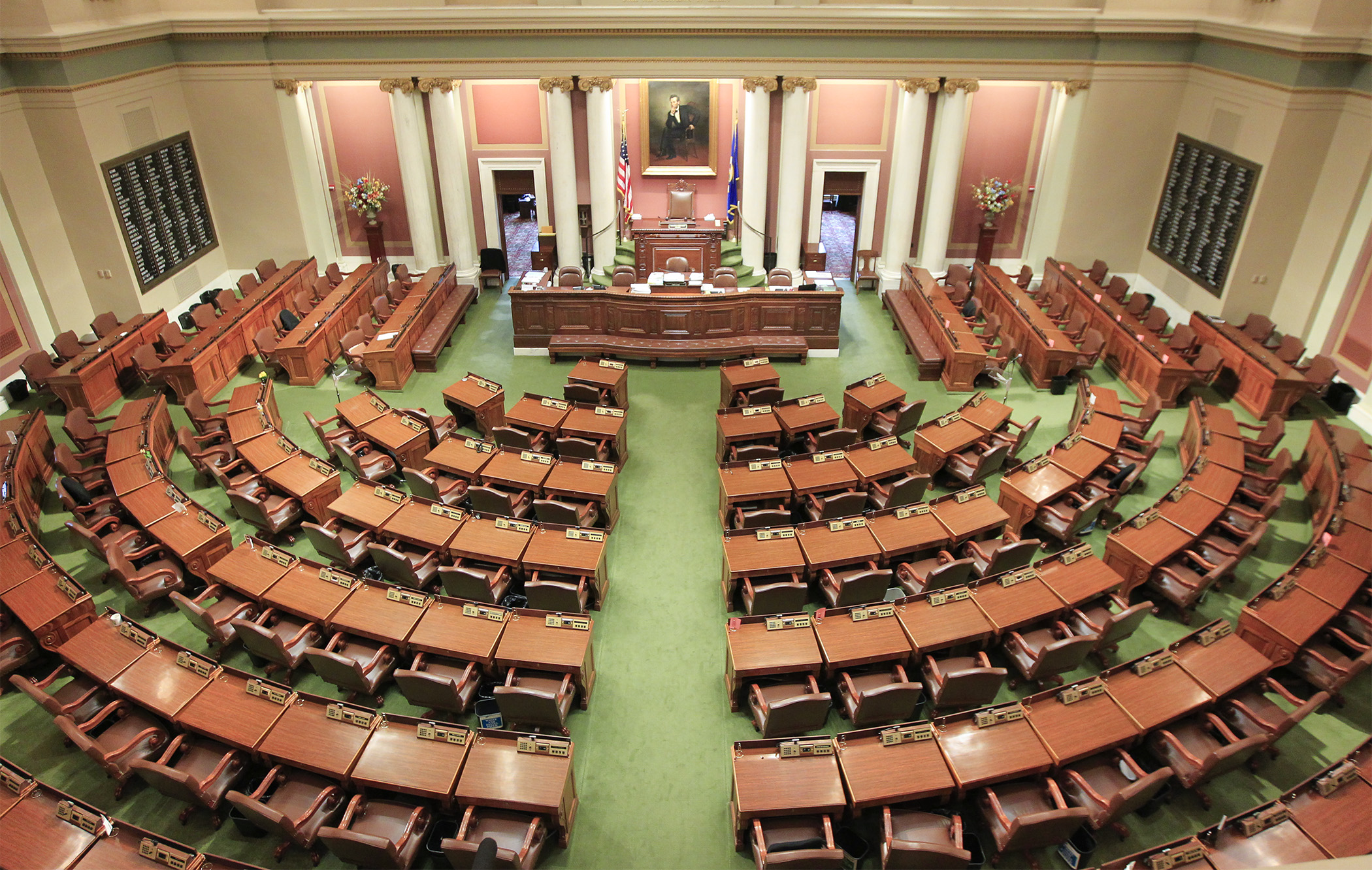 In the final weeks of the legislative session, House members not seeking re-election to the body have taken a turn at gaveling in a floor session.
It’s an opportunity to loo...
In the final weeks of the legislative session, House members not seeking re-election to the body have taken a turn at gaveling in a floor session.
It’s an opportunity to loo...
How short are the Legislature's short sessions?
By Lisa Kaczke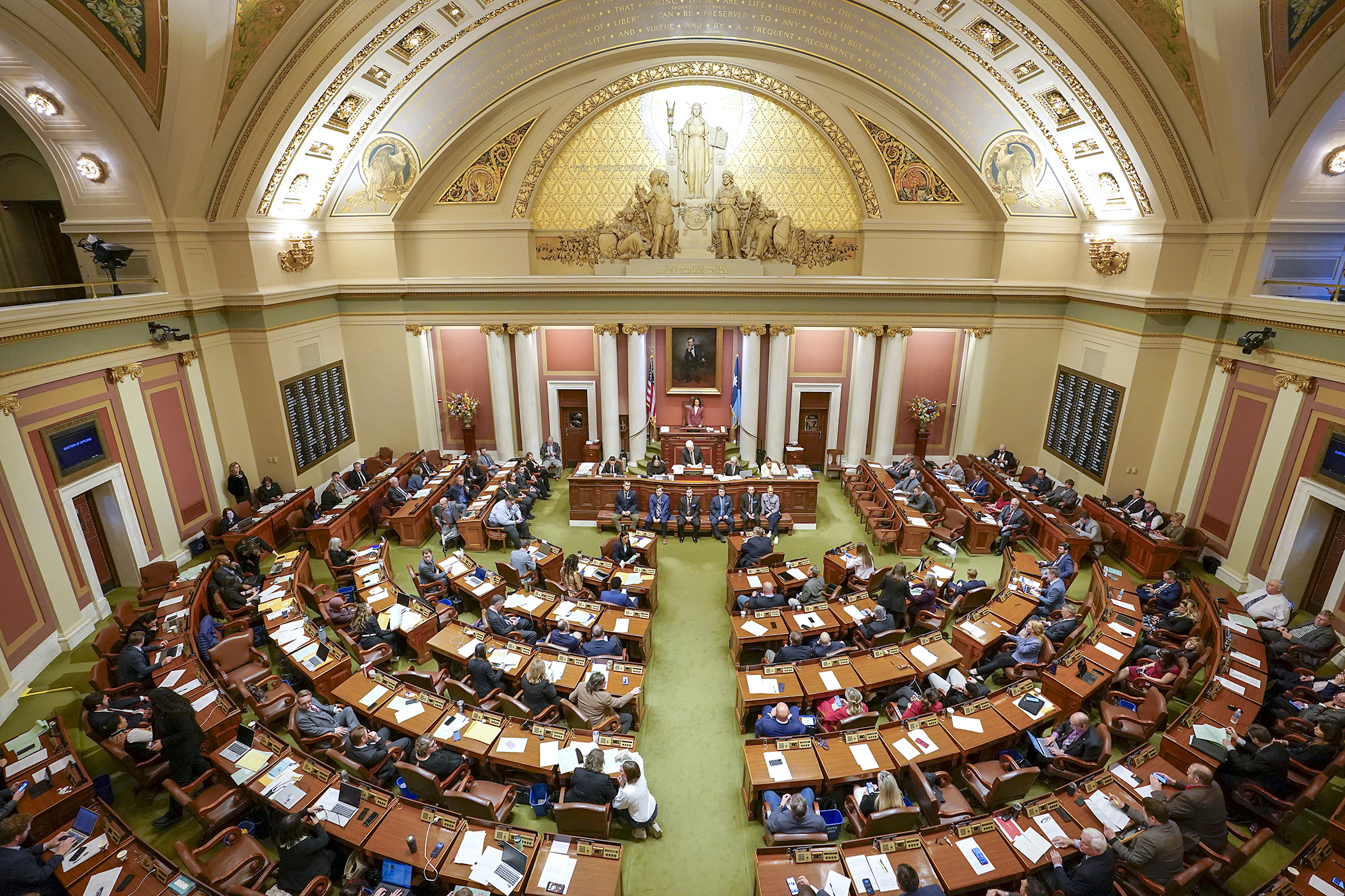 Rep. Ron Kresha (R-Little Falls) was ready to end the session March 25, making the motion to adjourn sine die. But not enough of his colleagues shared that sentiment, defeating ...
