 Minnesota Legislature
Budget-neutral housing bill targets expanding affordable units
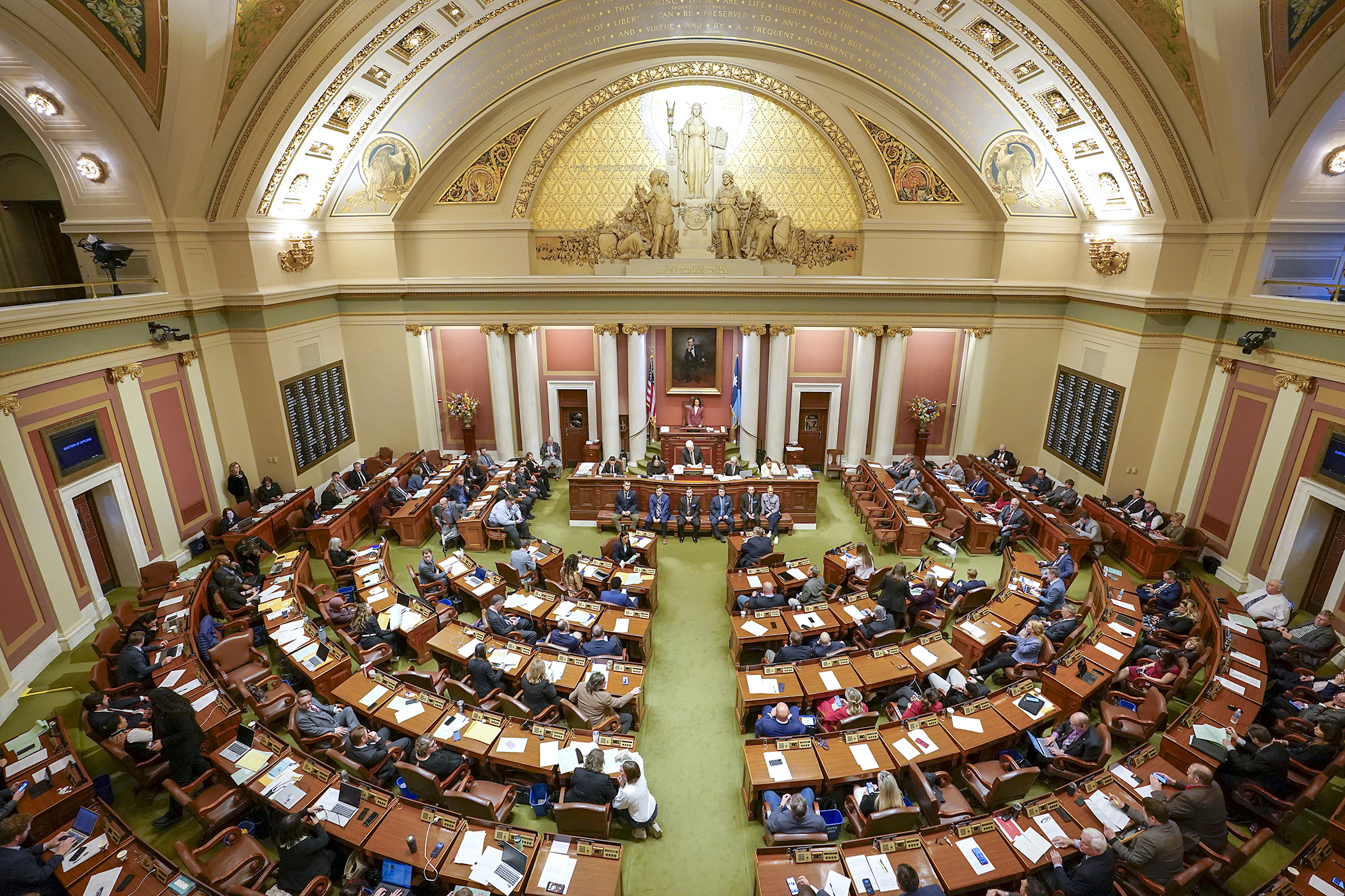
A budget-neutral bill to build more houses and help keep families out of homelessness, garnered overwhelming support from the House Monday.
By an 99-34 vote, the House passed HF1141, the supplemental housing finance and policy bill. The bill now heads to the Senate.
It would authorize the sale of up to $100 million in housing infrastructure bonds, which bill sponsor Rep. Michael Howard (DFL-Richfield) calls the bread-and-butter tool for building more homes and more affordable homes.
None of the supplemental appropriations would come from the state’s General Fund; instead, the measure relies in part on investment income earned by Minnesota Housing.
Howard said enhanced reporting requirements included in the bill would provide lawmakers a clearer line of sight on future budgets.
The bill would also provide $150,000 each for a home-share pilot program and homeowner education program.
[MORE: View the spreadsheet]
Funding sources
Minnesota Housing operates differently than most state agencies. It manages lending and investment operations like a financial institution, and the revenue generated supports its staff and administrative functions rather than relying primarily on General Fund appropriations.
For many years, income from those banking operations far exceeded legislative appropriations. That changed recently, however, as lawmakers dedicated approximately $1.6 billion to Minnesota Housing over the past three fiscal years. Initiating new programs and deploying that funding took time that coincided with high interest rates.
It’s resulted in Minnesota Housing earning an estimated $121.5 million in investment income, with roughly $80 million of that amount unspent.
Additionally, between $35 million and $45 million of the $109 million reserved for the Tyler Settlement is expected to go unclaimed. Instead of having it go back to the General Fund at the end of the fiscal year, the bill would provide an additional $40 million for the state’s Family Homeless Prevention Assistance Program.
This is a good safety-net program the state should invest in, Rep. Spencer Igo (R-Wabana Township) said.
Related Articles
Search Session Daily
Advanced Search OptionsPriority Dailies
Could 2026 retirements lead to record turnover in the House?
By Lisa Kaczke In the final weeks of the legislative session, House members not seeking re-election to the body have taken a turn at gaveling in a floor session.
It’s an opportunity to loo...
In the final weeks of the legislative session, House members not seeking re-election to the body have taken a turn at gaveling in a floor session.
It’s an opportunity to loo...
How short are the Legislature's short sessions?
By Lisa Kaczke
Rep. Ron Kresha (R-Little Falls) was ready to end the session March 25, making the motion to adjourn sine die. But not enough of his colleagues shared that sentiment, defeating ...
