 Minnesota Legislature
House passes higher ed bill with grant program fixes, added fraud safeguards
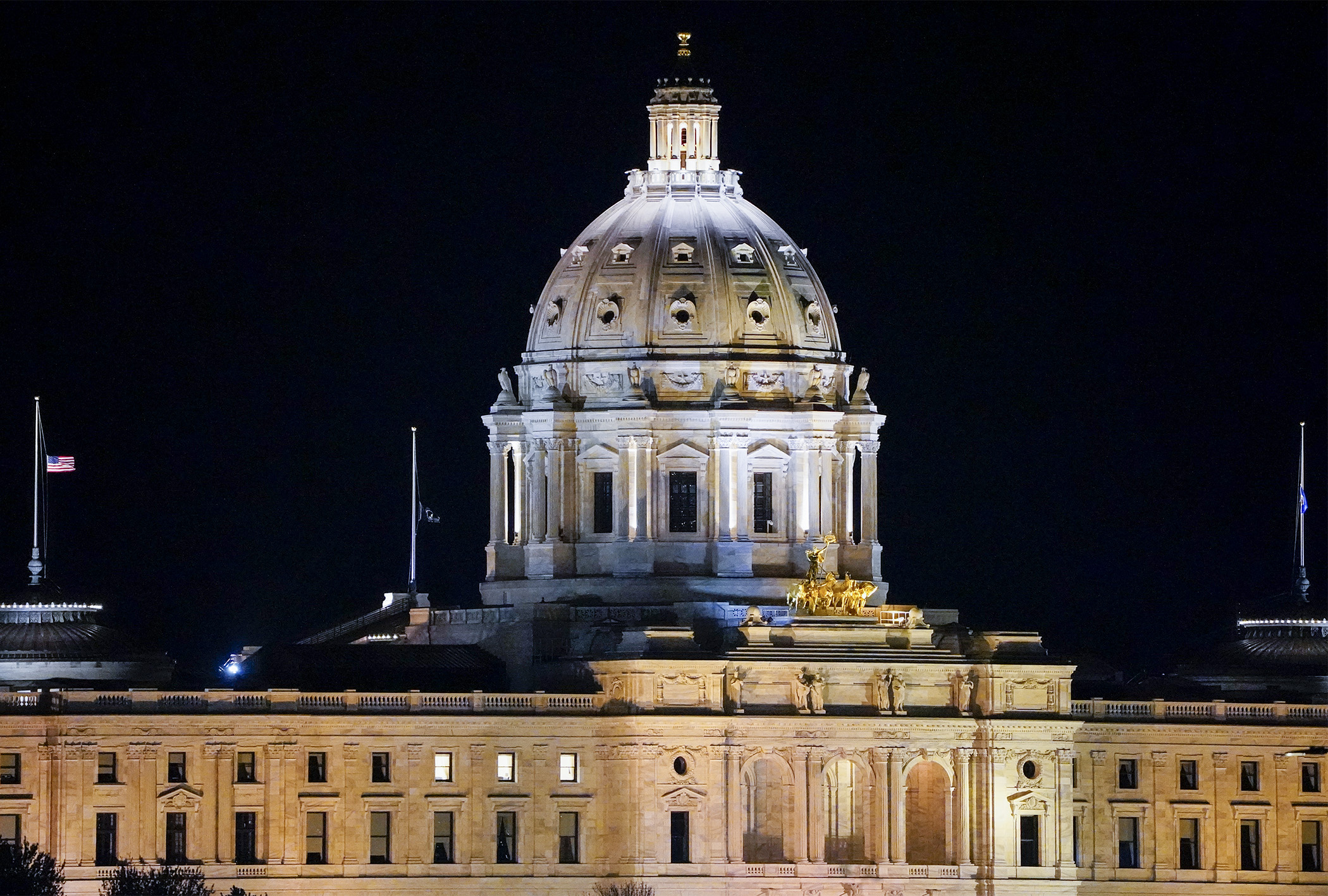
Lawmakers are handing in a higher ed package that may not get top marks across the board, but it did receive a passing grade.
On a 101-33 vote, the House approved the higher education conference committee report carrying updates to financial aid programs, new fraud-prevention measures, and several provisions aimed at improving transparency and protections for students.
However, some may grade the report as incomplete because it is missing proposals to update the state’s educational attainment goals, ensure legislative involvement in selecting regents to the University of Minnesota and addressing a $130 million expected shortfall in state financial aid programs.
“It’s disappointing we didn’t have a target to address that gap,” said Rep. Dan Wolgamott (DFL-St. Cloud), who sponsors the HF4252 with Sen. Omar Fateh (DFL-Mpls).
Most of the agreement, approved by the conference committee Friday, consists of administrative and technical changes proposed by the Office of Higher Education, to update language, streamline reporting and clarify the office’s oversight responsibilities.
It would also help address an expected shortfall in the Fostering Independence Higher Education Grants program, providing $570,000 for the current fiscal year and $1.5 million for the upcoming school year, using money from the Workforce Development Fund.
The bill would also provide $3 million in Fiscal Year 2027 to Minnesota State for software to detect and prevent fraud involving so-called “ghost students.” There is also $5,000 for replanting trees at Bemidji State University that were destroyed in a storm.
A policy to discourage people from fraudulently cashing financial aid checks is included. It would let the Office of Higher Education deny grants to anyone who gives false or misleading information on their application, refuses reasonable requests for information, or has been found to have committed fraud or other major violations involving government funds.
Other provisions in the bill would:
- include Minnesota State employees among those eligible for paid leave to give blood offsite;
- aim to prohibit public postsecondary institutions from imposing a fee or raising tuition to provide competitive facilities for student athletes;
- ensure students are informed when they are taking developmental courses that do not count toward attainment of a degree or certification;
- offer additional protections to pregnant or parenting students at postsecondary institutions, including priority registration; and
-
permit Rochester Community and Technical College to enter into a lease agreement with the City of Rochester for the lease on its land for construction of a sports
facility.
Related Articles
Search Session Daily
Advanced Search OptionsPriority Dailies
Could 2026 retirements lead to record turnover in the House?
By Lisa Kaczke In the final weeks of the legislative session, House members not seeking re-election to the body have taken a turn at gaveling in a floor session.
It’s an opportunity to loo...
In the final weeks of the legislative session, House members not seeking re-election to the body have taken a turn at gaveling in a floor session.
It’s an opportunity to loo...
How short are the Legislature's short sessions?
By Lisa Kaczke Rep. Ron Kresha (R-Little Falls) was ready to end the session March 25, making the motion to adjourn sine die. But not enough of his colleagues shared that sentiment, defeating ...
