 Minnesota Legislature
House lawmakers consider updated sales tax plan to aid Hennepin Healthcare
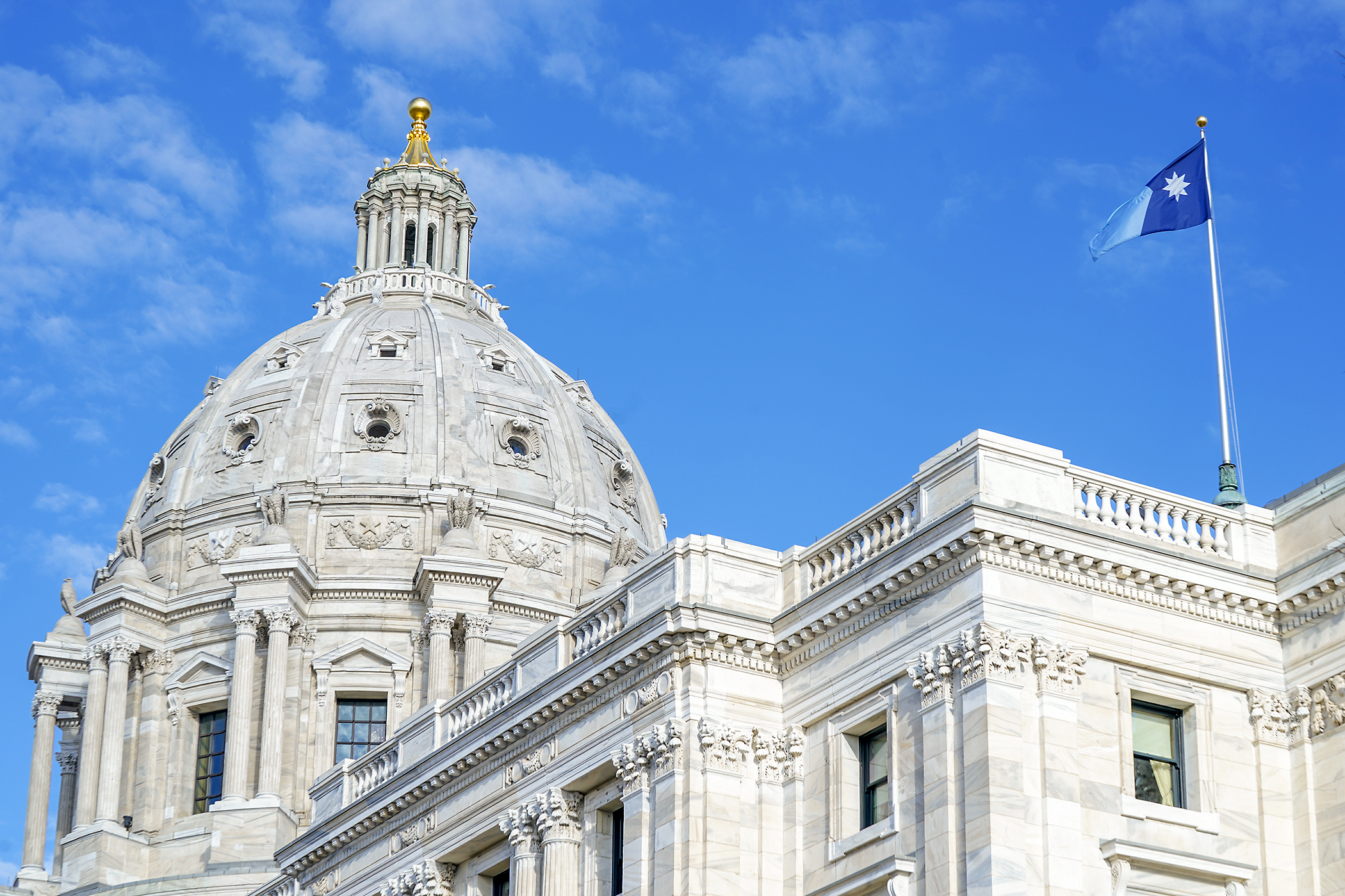
Hennepin County Medical Center is known for being the destination for Minnesotans who have suffered terrible physical traumas, but now the state’s healthcare system could suffer a trauma of its own if the hospital closes.
That seems to be the consensus opinion of legislators on both sides of the aisle. The question is: How can the state best go about fixing the financial difficulties the hospital is currently enduring and help restore a stable revenue stream that will keep it afloat for years to come?
The latest suggestion comes in the form of a delete-all amendment to HF4841, sponsored by Rep. Esther Agbaje (DFL-Mpls).
It would extend and increase the current sales tax in Hennepin County from 0.15% to 0.75% (down from the 1% proposed in the original bill). And it would establish a hospital stabilization program and authorize grants for Hennepin Healthcare, modify its governance provisions and establish an advisory task force for its governance and financing.
On Tuesday, the House Taxes Committee heard the bill in an informational capacity, and it remains to be seen where — or if — it will resurface next. But five presenters from Hennepin County and Hennepin Healthcare spoke with urgency of the need for a solution.
“The situation at HCMC is acute, pushing us to the financial brink,” said Hennepin County Commissioner and Hennepin Healthcare Board Chair Jeffrey Lunde. “Property taxes alone can no longer be the sole public investment in this critical health system.”
Hennepin Healthcare offered a presentation on its stressed financials, with its vice president of finance, Charles Esler, attributing the difficulties to a combination of a precipitous rise in uncompensated care — as the state’s primary “safety net” hospital, it refuses no patient, no matter their ability to pay — rising costs, the end of federal funding related to the pandemic, and the dissolution of nonprofit health insurer UCare.
“This is a structural deficit and not one we can cut our way out of,” said Hennepin County Administrator Jodi Wentland.
The updated proposal would tap into what is commonly called “the ballpark tax.” It was enacted by the Legislature in 2006 at a sales tax rate of 0.15%, with most of the original revenue going toward grants for ballpark development, construction, public infrastructure and reserves for capital improvements.
The bill would continue to fund capital reserves for Target Field, but would also provide authority to the county to issue bonds and acquire property in relation to healthcare facilities in the county.
Agbaje said it’s estimated that the amended bill’s tax provisions would raise about $253 million a year. The bill would also, in Fiscal Year 2027, appropriate from the General Fund $150 million for the hospital stabilization program, another $150 million for a Hennepin Healthcare stabilization grant, and a blank appropriation for the advisory task force.
While the bill doesn’t include a proscribed grant amount for the hospitals of North Memorial, as the original legislation did, Agbaje said that system would be eligible to apply for grants from the newly created fund.
Both Rep. Kristin Robbins (R-Maple Grove) and Rep. Patti Anderson (R-Dellwood) advocated for instead tapping into the metro-wide sales tax designed to fund public transit.
Meanwhile, neither Rep. Mike Freiberg (DFL-Golden Valley) nor Rep. John Huot (DFL-Rosemount) liked the idea of a county sales tax, with Huot saying, “This is a statewide asset.”
“I really believe that no amount of state money will save the hospital,” said the committee’s co-chair, Rep. Greg Davids (R-Preston). “The hospital has to save itself. And we want to help you get there.
“I like some of the ideas I’m hearing today, and I think we have to get very, very creative very, very quickly. … But 12 days is a lifetime in this business. We’ll get it figured out.”
Legislators must adjourn this year by May 18; however, they cannot pass bills on the final day of the biennial session.
Related Articles
Search Session Daily
Advanced Search OptionsPriority Dailies
Could 2026 retirements lead to record turnover in the House?
By Lisa Kaczke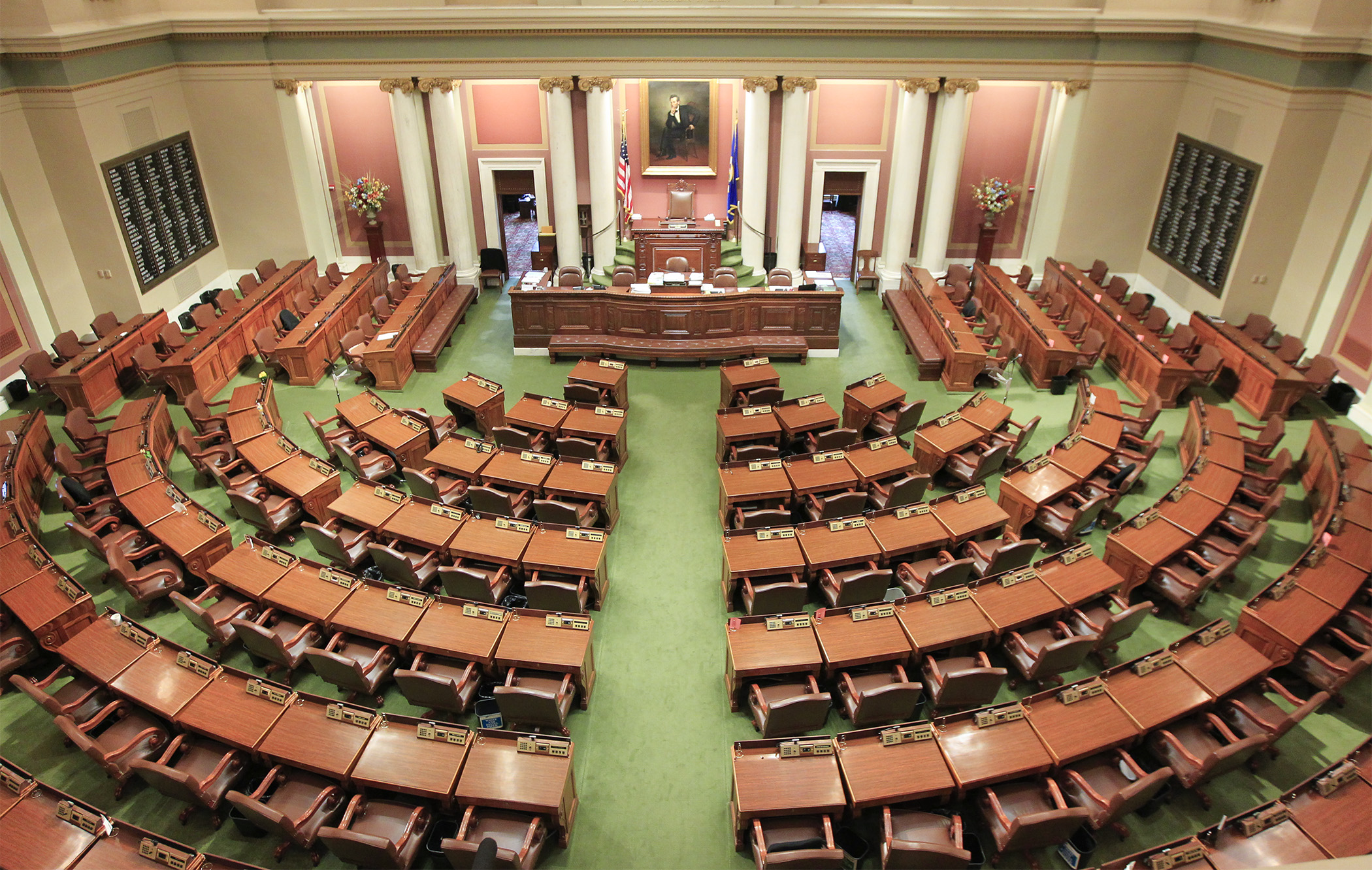 In the final weeks of the legislative session, House members not seeking re-election to the body have taken a turn at gaveling in a floor session.
It’s an opportunity to loo...
In the final weeks of the legislative session, House members not seeking re-election to the body have taken a turn at gaveling in a floor session.
It’s an opportunity to loo...
How short are the Legislature's short sessions?
By Lisa Kaczke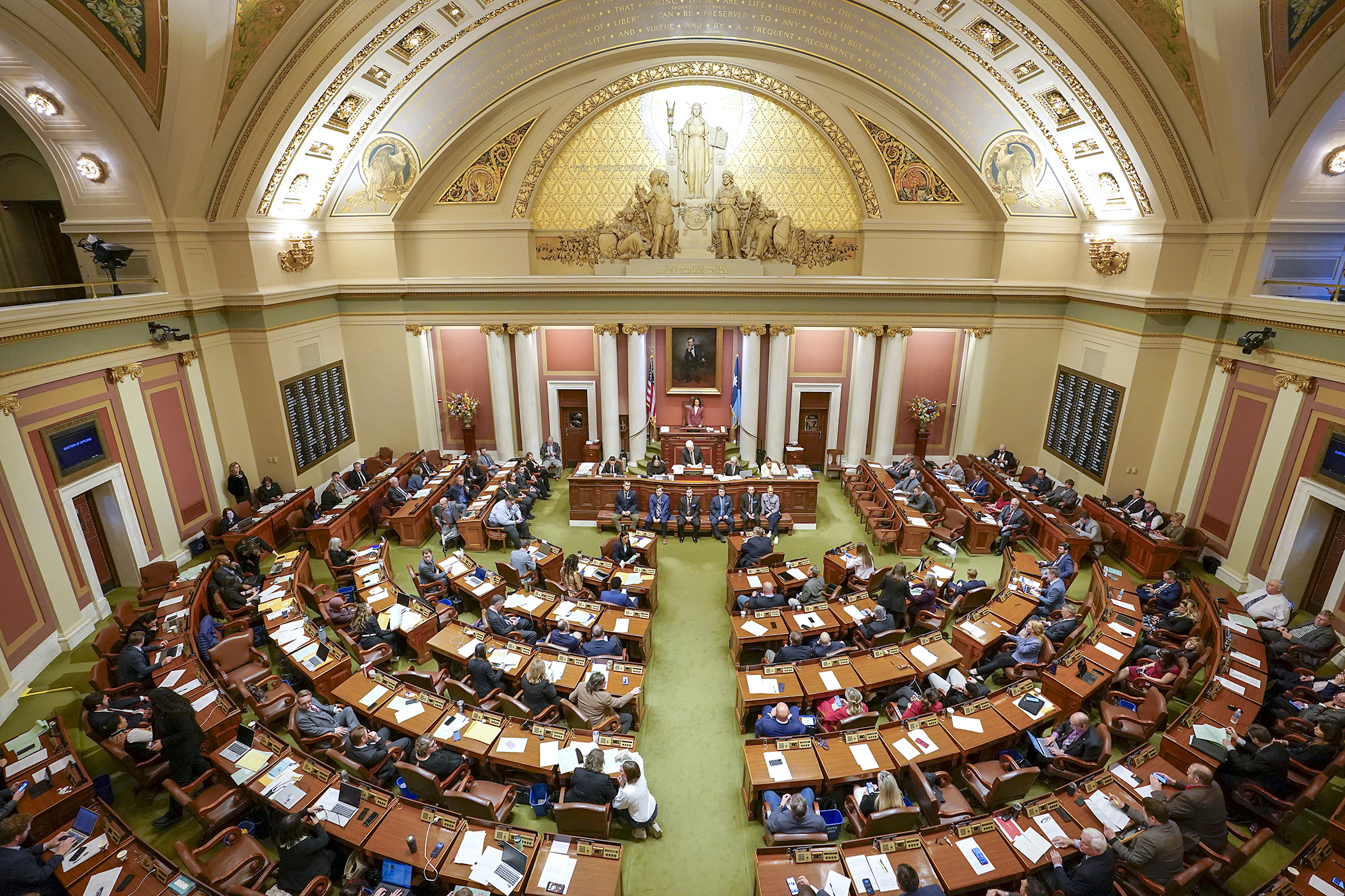 Rep. Ron Kresha (R-Little Falls) was ready to end the session March 25, making the motion to adjourn sine die. But not enough of his colleagues shared that sentiment, defeating ...
