 Minnesota Legislature
State health officials: $21 million needed to address potential MN COVID-19 outbreak
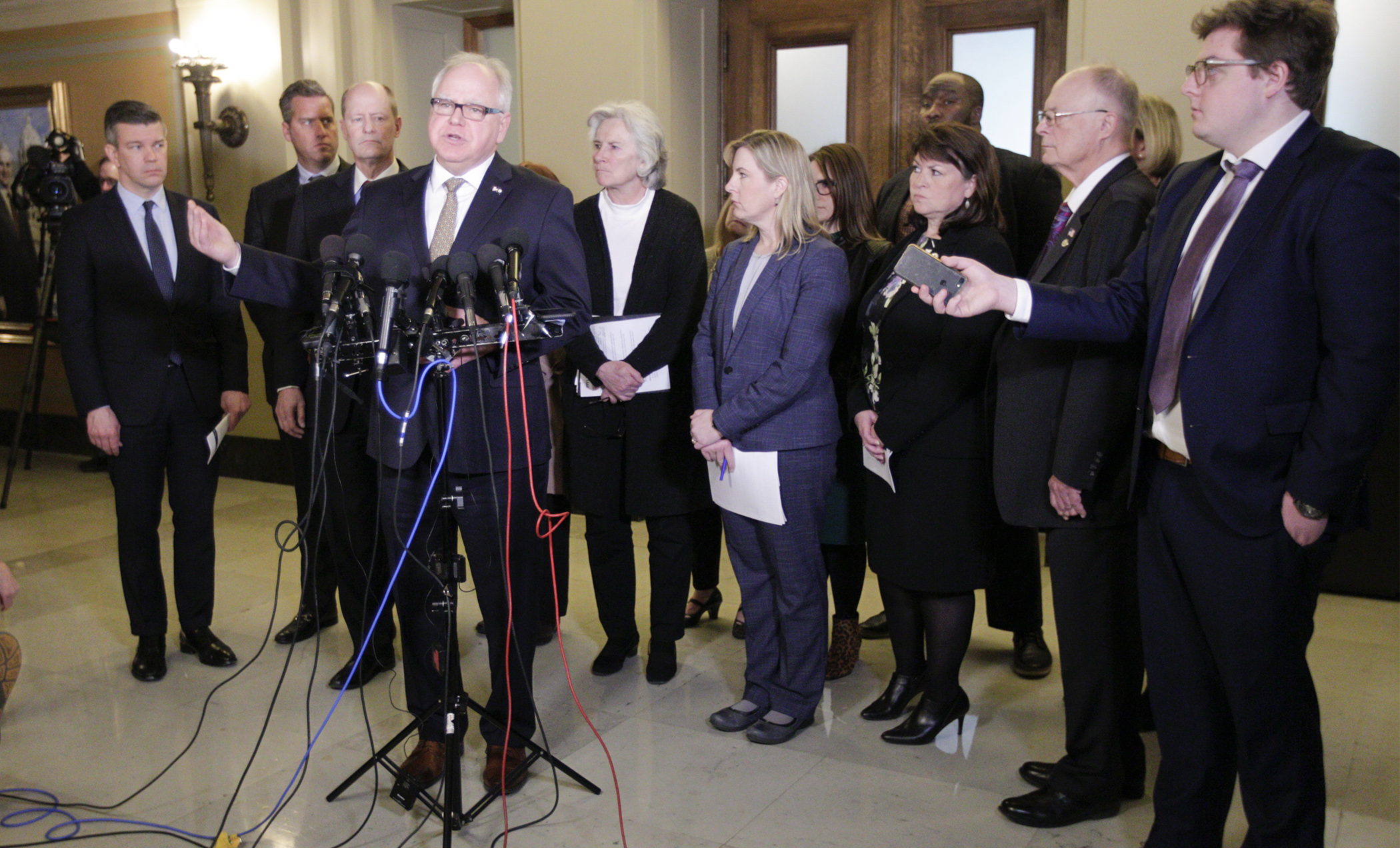
When COVID-19 reaches Minnesota, the state’s Department of Health will work to manage the outbreak by slowing it down and spreading out the impact, the state's top health official said, preventing the health care system from getting overwhelmed and keeping Minnesotans safe.
“We know what to expect … we know what kind of interventions are most useful,” Health Commissioner Jan Malcolm told the House Health and Human Services Finance Division Wednesday.
The informational hearing followed a Monday press conference with Gov. Tim Walz and other legislators on the topic.
HF3980, sponsored by Rep. Tina Liebling (DFL-Rochester), would provide additional funds to the state’s public health response contingency account to support those efforts.
The division did not take any action on the bill, as the requested appropriation amount is still blank. It is expected to be taken up for a vote once an amendment is ready reflecting the department’s specific financial request. There is no Senate companion.
For Minnesota’s public health response to be effective, Malcolm expects the state will need $20.9 million in additional funding for staffing, laboratory costs, personal protective equipment, and support for local public health and health care coalitions.
That amount is estimated to cover “a year’s worth of … activities around communication, investigation, and response activities,” and is partially based on the state’s experience managing the 2009 influenza outbreak, Malcolm said.
If federal funding comes through, it would be used to offset the difference in the General Fund, but having the money available upfront is vitally important in ensuring the state can respond in a timely manner, Malcolm said.
That amount, however, would not cover medical supplies or direct support to hospitals, physicians, clinics, and care teams, which would be needed, as well, said Dr. Rahul Koranne, president and CEO of the Minnesota Hospital Association.
Related Articles
Search Session Daily
Advanced Search OptionsPriority Dailies
Could 2026 retirements lead to record turnover in the House?
By Lisa Kaczke In the final weeks of the legislative session, House members not seeking re-election to the body have taken a turn at gaveling in a floor session.
It’s an opportunity to loo...
How short are the Legislature's short sessions?
By Lisa Kaczke Rep. Ron Kresha (R-Little Falls) was ready to end the session March 25, making the motion to adjourn sine die. But not enough of his colleagues shared that sentiment, defeating ...
