 Minnesota Legislature
House panel hears bills targeting improvements in early child care
Gov. Tim Walz has said improving access to affordable and quality child care is one of his priorities.
Some of his proposals helped shape HF4569, which seeks funding to expand child care services, would broaden a definition to make more people eligible, and help providers with a higher reimbursement rate and additional grants as they recover from the COVID-19 pandemic.
Sponsored by Rep. Dave Pinto (DFL-St. Paul), it was discussed on an informational basis by the House Early Childhood Finance and Policy Committee Thursday.
The bill, which has no Senate companion, would expand the definition of family to include foster care families, relative custodians, and successor custodians, and define care provided by them as child care. It also would allow families to continue receiving child care assistance when they move to a different county.
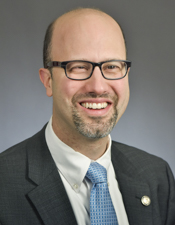
Technical changes would be made to the statute to forecast the child care assistance Basic Sliding Fee program to allow all individuals who meet the income and other eligibility criteria to access the program, said Assistant Human Services Commissioner Tikki Brown. She estimates an additional 16,000 families would be served by the program when fully implemented, and it would end the wait listing for families looking for child care assistance.
The definition change would help achieve more equitable outcomes for children and families of color and American Indian heritage, she said.
Investments in grants to help workforce development and technology support plus financial hardship child care stabilization grants would go a long way to building child care capacity in the state, Brown said.
The governor’s supplemental early education policy and finance bill was also heard, but held over for further consideration.
Also sponsored by Pinto and without a Senate companion, HF4228 would modify and change funding for many early education programs. It would designate 10.72% of the total state appropriation to tribal Head Start programs, increase funding for early childhood screenings, and establish grants for Grow Your Own child care educator programs.
The bill would also create a voluntary public pre-kindergarten program, and prioritize early learning scholarships to children younger than age 4, and those with incarcerated parents.
Related Articles
Search Session Daily
Advanced Search OptionsPriority Dailies
Could 2026 retirements lead to record turnover in the House?
By Lisa Kaczke In the final weeks of the legislative session, House members not seeking re-election to the body have taken a turn at gaveling in a floor session.
It’s an opportunity to loo...
In the final weeks of the legislative session, House members not seeking re-election to the body have taken a turn at gaveling in a floor session.
It’s an opportunity to loo...
How short are the Legislature's short sessions?
By Lisa Kaczke Rep. Ron Kresha (R-Little Falls) was ready to end the session March 25, making the motion to adjourn sine die. But not enough of his colleagues shared that sentiment, defeating ...
