 Minnesota Legislature
Seating mandate draws support for comfort, concern for compliance
The trouble started with a stool.
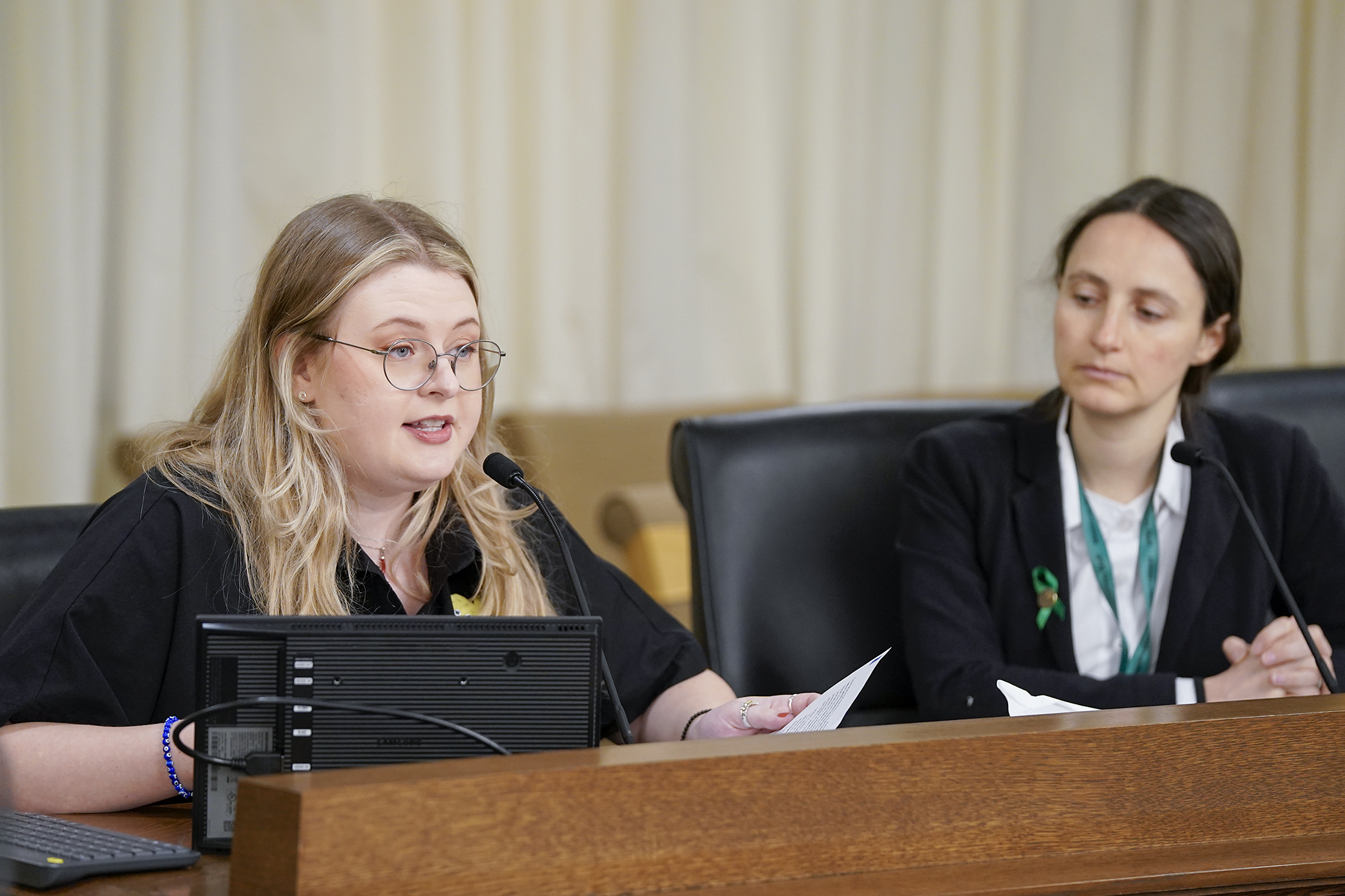
Gallery assistants at the Walker Art Museum said they were abruptly told they could no longer sit while assisting visitors unless they produced a doctor’s note. The workers stood for hours on hard terrazzo floors, and when one assistant was discovered seated, “they were escorted off the floor,” Walker Worker Union Ppresident Michelle Maser told lawmakers Tuesday.
Staff attempted to negotiate a change, but museum management refused, Maser said.
That experience prompted Rep. Katie Jones (DFL–Mpls) to sponsor HF3796, which would require Minnesota employers to provide suitable seating when job duties reasonably allow it. The bill, as amended, was laid over by the House Workforce, Labor, and Economic Development Finance and Policy Committee.
Jones asked committee members to think about doing their jobs all day without a chair. “Can you imagine standing for floor sessions that go late in the night? This bill would provide workers the reasonable and suitable expectation to be able to sit during the job.”
The bill defines “suitable seating” as an adequate number of chairs, benches and stools placed in reasonable proximity to the area. It leaves enforcement to the Department of Labor and Industry and provides penalties of up to $250 per violation.
Advocates say seating is a simple way to improve efficiency and prevent injuries. Jones noted that prolonged standing has been associated with lower-back and leg pain, as well as negative cardiovascular and pregnancy-related outcomes.
But business groups warned the proposal may be too broad and raise safety concerns.
Minnesota Retailers President Bruce Nustad wrote that terms such as “reasonably permits” and “suitable seating” leave too much to interpretation, especially in congested retail aisles, warehouse floors, or checkout areas where a chair could interfere with motorized equipment or create trip hazards.
[MORE: Letters about the bill]
Lauryn Schothorst, director of workplace management and workforce development policy for the Minnesota Chamber of Commerce, questioned how the mandate would apply to assembly lines, meatpacking plants, commercial kitchens, or hospital rooms. “A seemingly simple bill may not be simple to comply with,” she said.
Some lawmakers also expressed concern about regulatory discretion. Rep. Shane Mekeland (R-Clear Lake) said unclear definitions could lead to enforcement that strays from legislative intent.
Department officials said they would expect to begin with education and informal compliance discussions before considering any investigations.
Related Articles
Search Session Daily
Advanced Search OptionsPriority Dailies
Could 2026 retirements lead to record turnover in the House?
By Lisa Kaczke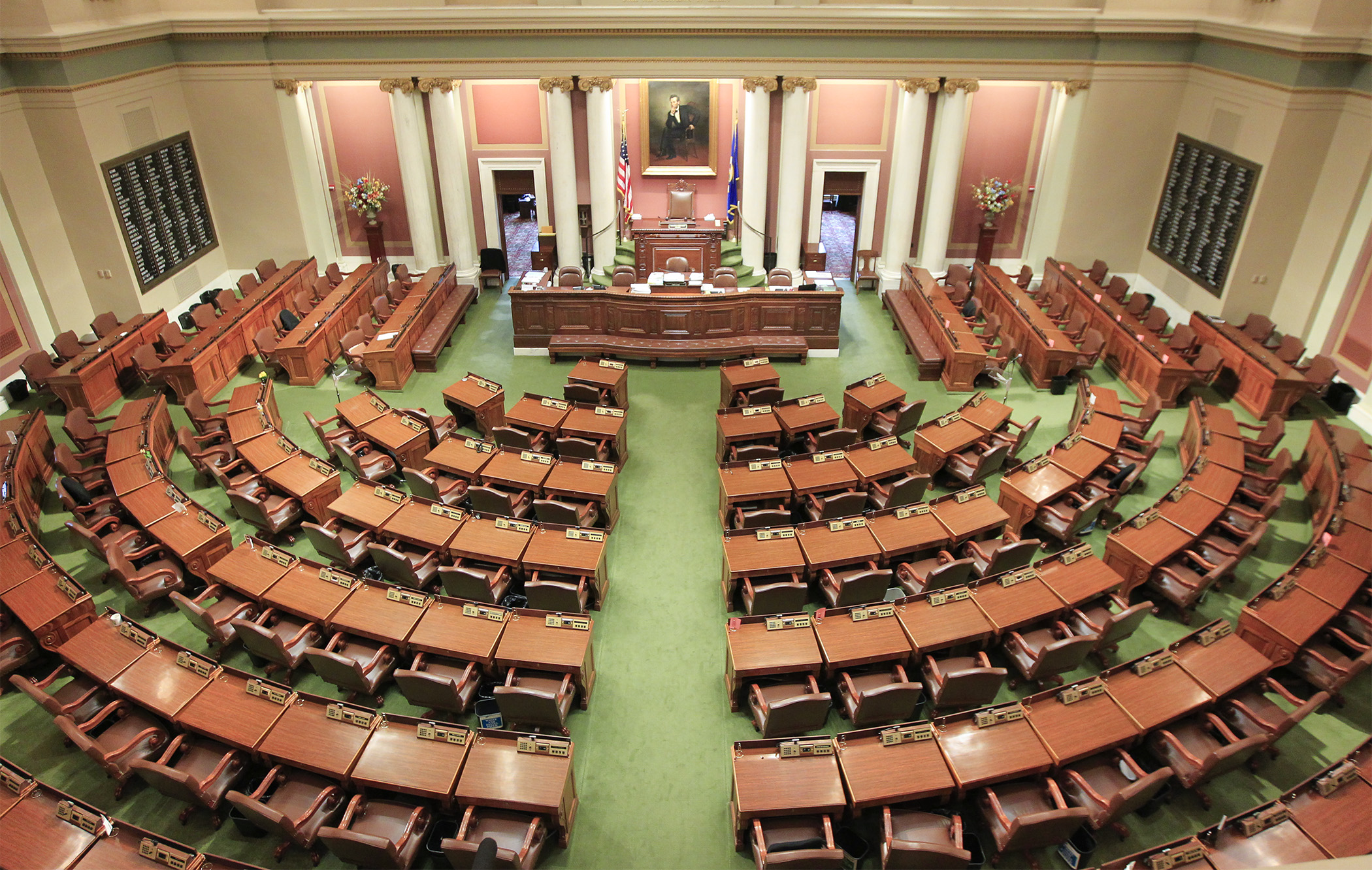 In the final weeks of the legislative session, House members not seeking re-election to the body have taken a turn at gaveling in a floor session.
It’s an opportunity to loo...
In the final weeks of the legislative session, House members not seeking re-election to the body have taken a turn at gaveling in a floor session.
It’s an opportunity to loo...
How short are the Legislature's short sessions?
By Lisa Kaczke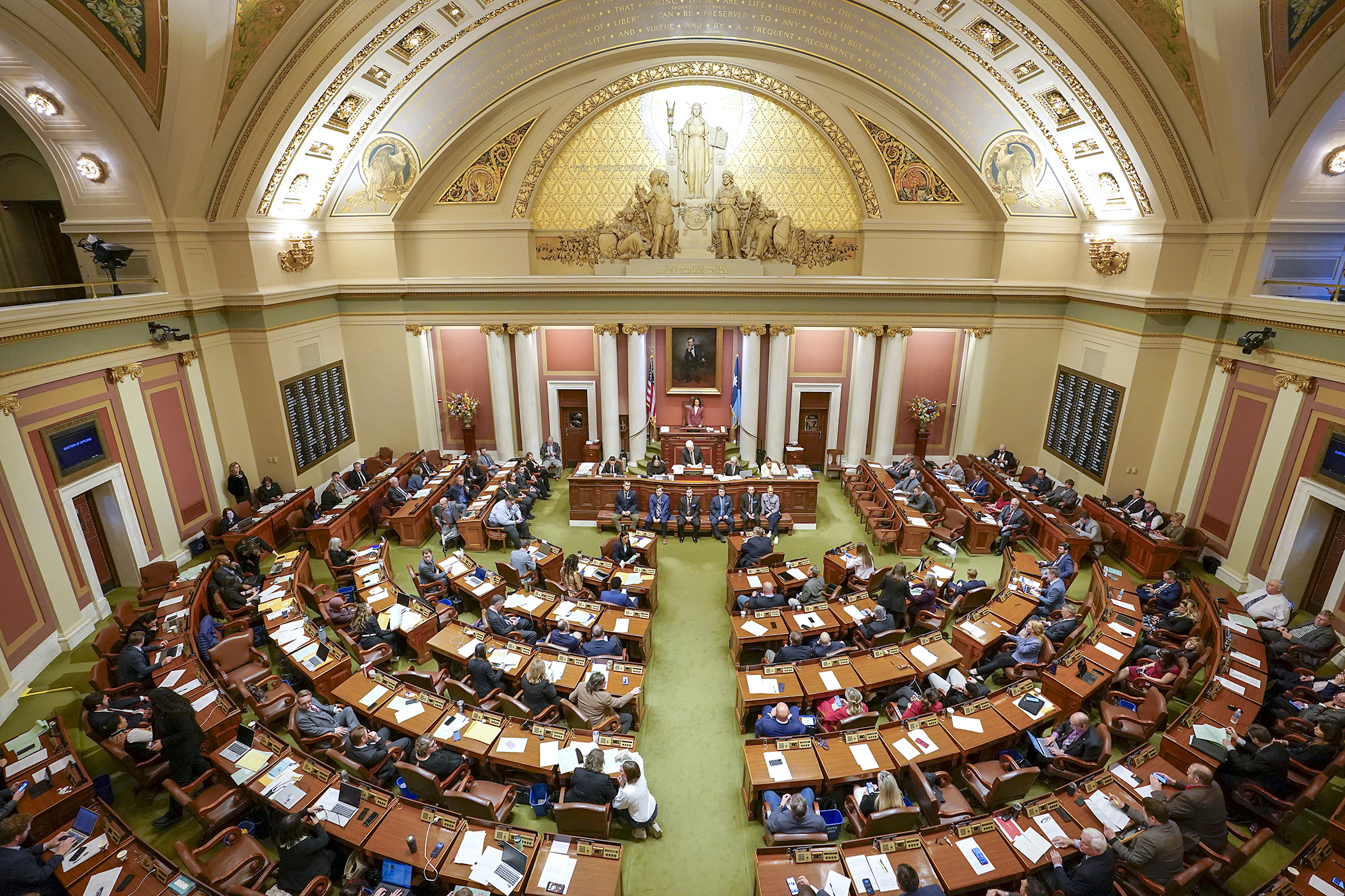 Rep. Ron Kresha (R-Little Falls) was ready to end the session March 25, making the motion to adjourn sine die. But not enough of his colleagues shared that sentiment, defeating ...
