 Minnesota Legislature
Proposed grant program targets health care labor shortages
Basic economic principles say when demand exceeds supply, prices rise. It is a dynamic seen in the oil market with gas prices, and it can apply to labor as well: when an industry lacks enough workers, wages increase and training programs tend to expand to meet the need.
But that pattern doesn’t seem to hold in the health care sector, said Rep. Dave Pinto (DFL–St. Paul), and it’s a market inefficiency HF3732 aims to address.
Laid over Tuesday by the House Workforce, Labor, and Economic Development Finance and Policy Committee, the bill, as amended, would require the Department of Employment and Economic Development to establish a health care workforce grant program designed to address “workforce shortages in the health care sector that are unlikely to be solved by normal market forces.”
Pinto noted lawmakers regularly hear bills seeking to fund training for certified nursing assistants and support oncologists in rural communities. Establishing the grant program would give the department a tool to tackle health care workforce shortages, while allowing future Legislatures to direct funds to particular needs.
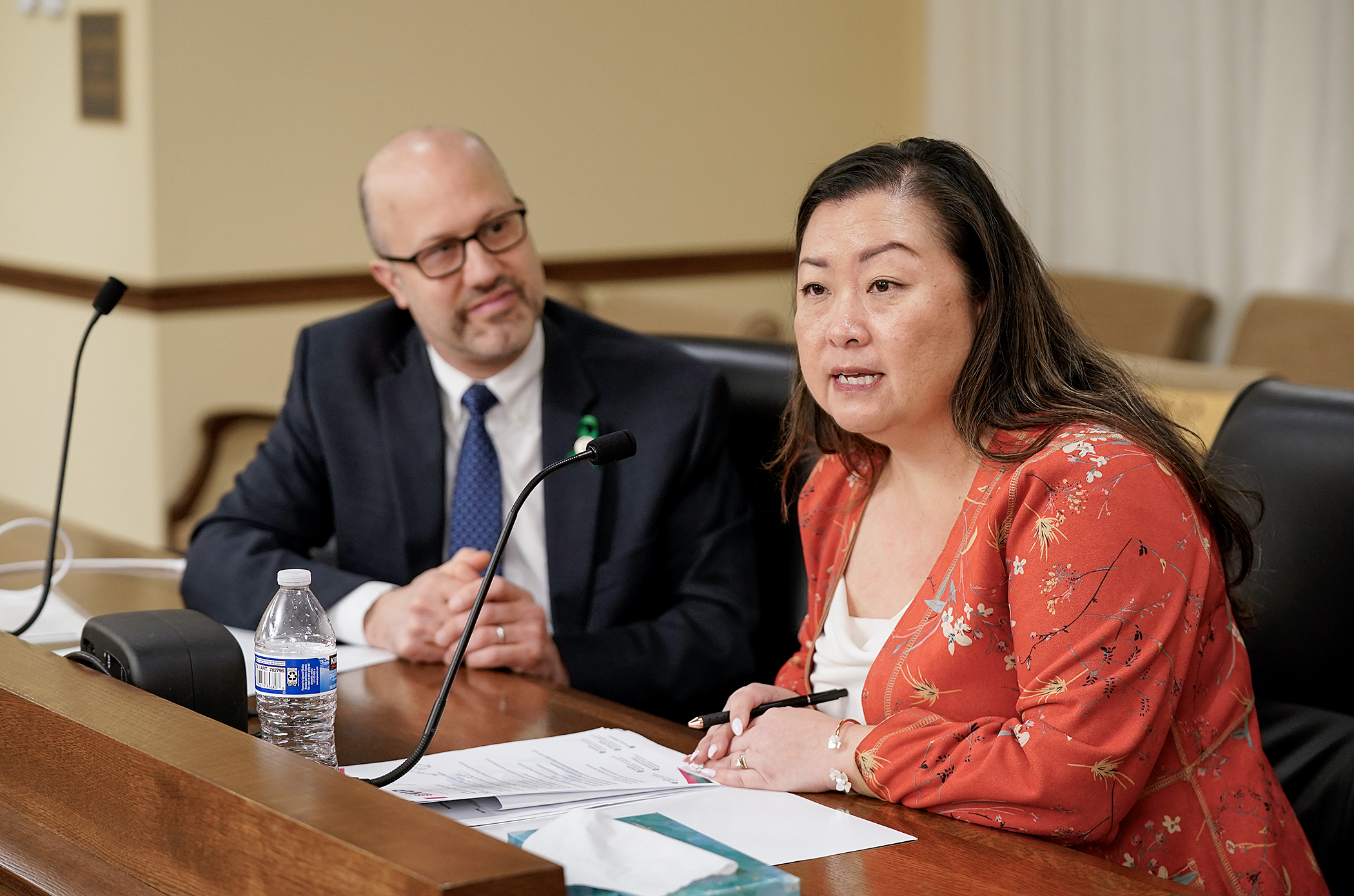 May yer Thao, president and CEO of the Hmong American Partnership, testifies Tuesday before the House Workforce, Labor, and Economic Development Finance and Policy Committee in support of a bill to create a health care workforce grant program. Rep. Dave Pinto sponsors HF3732. (Photo by Michele Jokinen)
May yer Thao, president and CEO of Hmong American Partnership, agrees intentional investment is necessary.
The program’s nursing assistant and phlebotomy programs graduated 300 students in 2025, supported 260 certifications, and helped place participants in jobs averaging more than $23 per hour. Demand for the programs exceeds capacity, she said, and the barrier is not interest but access — something a more flexible funding stream could help address.
Rep. Natalie Zeleznikar (R–Fredenberg Township) supports establishing a health care grant program, but cautioned against becoming too centered within the department, which may not fully appreciate regional differences.
For example, getting to training sites an hour or two away can be a barrier to students in Greater Minnesota. She pointed to a local program offering experiential training for emergency medical technicians that emerged directly from community needs in her district.
Office of Community Investment
The committee also adopted an amendment that would appropriate $400,000 to establish an Office of Community Investment within the department, consolidating the agency’s grantmaking processes under one structure.
Modeled after the Office of Justice Program that provides strategic grant management within the Department of Public Safety, it would allow lawmakers to establish policy goals and parameters first, rather than debating each individual grant program in detail. “We spend so much time on every single program that we can’t hold the agency accountable,” Pinto said.
Rep. Dave Baker (R–Willmar) said he’s usually not a fan of creating a new “Office of Something” but this idea could improve the way the committee does its work. “We’ll have better guardrails and more accountability without breaking the bank,” he said.
Related Articles
Search Session Daily
Advanced Search OptionsPriority Dailies
Could 2026 retirements lead to record turnover in the House?
By Lisa Kaczke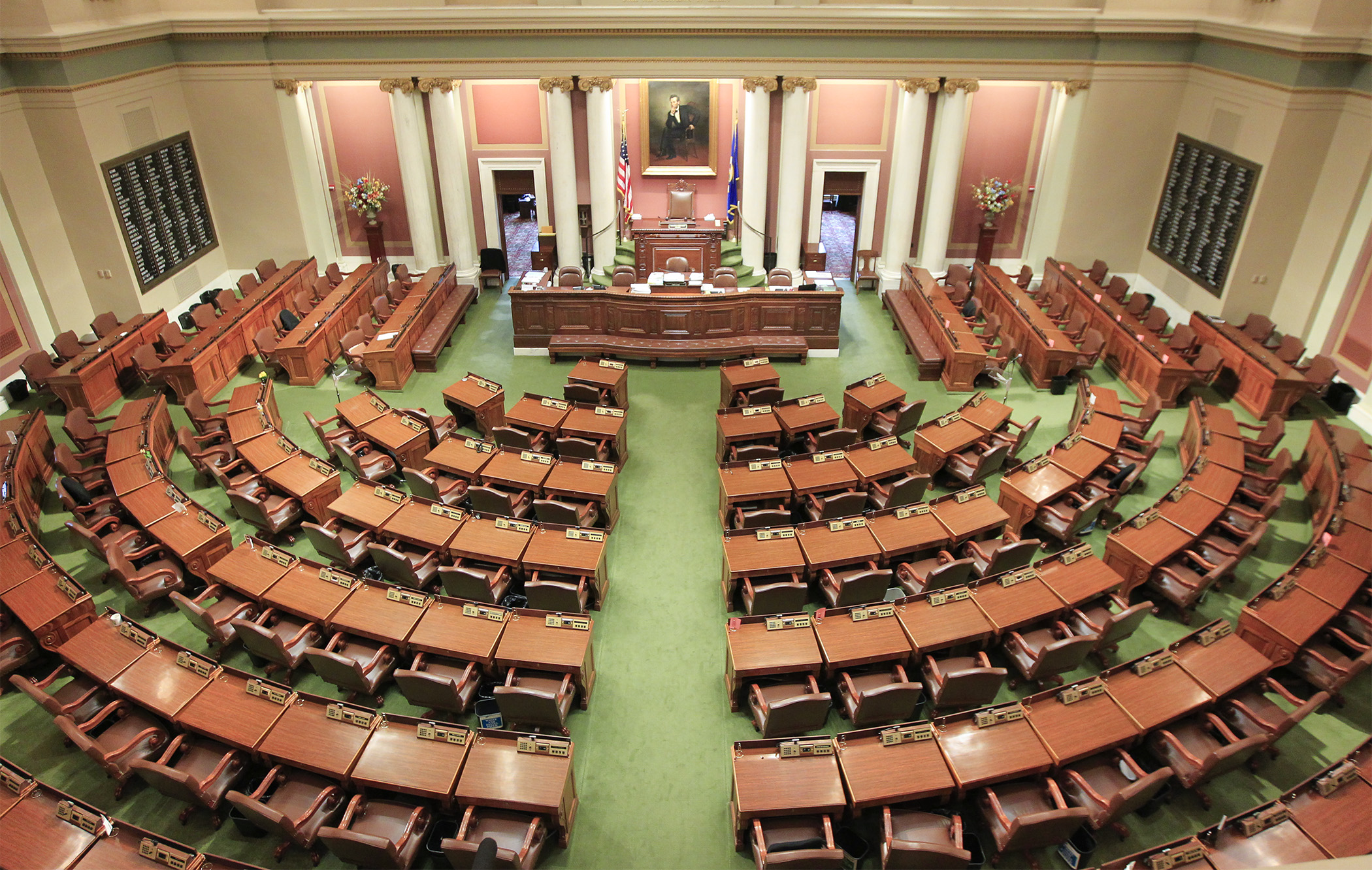 In the final weeks of the legislative session, House members not seeking re-election to the body have taken a turn at gaveling in a floor session.
It’s an opportunity to loo...
In the final weeks of the legislative session, House members not seeking re-election to the body have taken a turn at gaveling in a floor session.
It’s an opportunity to loo...
How short are the Legislature's short sessions?
By Lisa Kaczke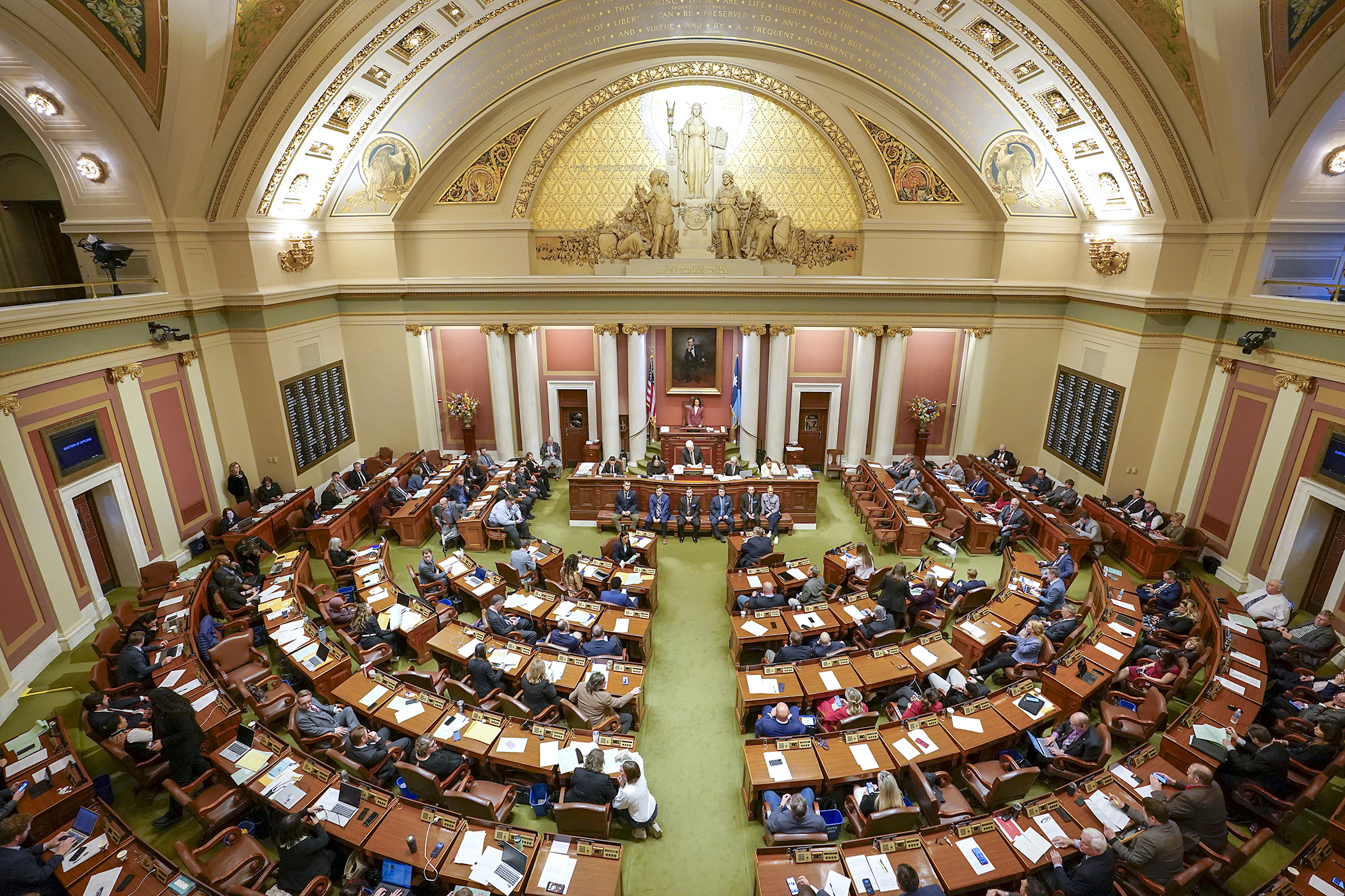 Rep. Ron Kresha (R-Little Falls) was ready to end the session March 25, making the motion to adjourn sine die. But not enough of his colleagues shared that sentiment, defeating ...
