 Minnesota Legislature
House panel hears funding proposal for first state-run pediatric psychiatric treatment facility
When children have complex mental health conditions in Minnesota, they often have few options.
Children’s residential facility capacity has decreased by 36%, or 888 beds, since 2005. The wait time for services is usually around three to nine months, but it can be longer than a year. When a bed isn’t available, children are usually sent to facilities out of state with Minnesota counties footing the bill at a total cost of $80 million. In addition to the higher costs, children have poorer outcomes when they’re out of state.
“When your child is in Missouri, how do you transition back in a way that lets those skills that were learned in that facility transfer home … the answer is they don’t. Many times, when we use out of state facilities, we do see improvement for a while, and then (they’re) back in the system,” said Rep. Kim Hicks (DFL-Rochester).
Hicks sponsors HF4896, which seeks $7 million for the predesign and design of a 30-bed secure psychiatric residential treatment facility to be operated by Direct Care and Treatment. State officials would later seek legislative appropriations for construction and operating funding after the design.
The House Capital Investment Committee took no action on the bill Tuesday.
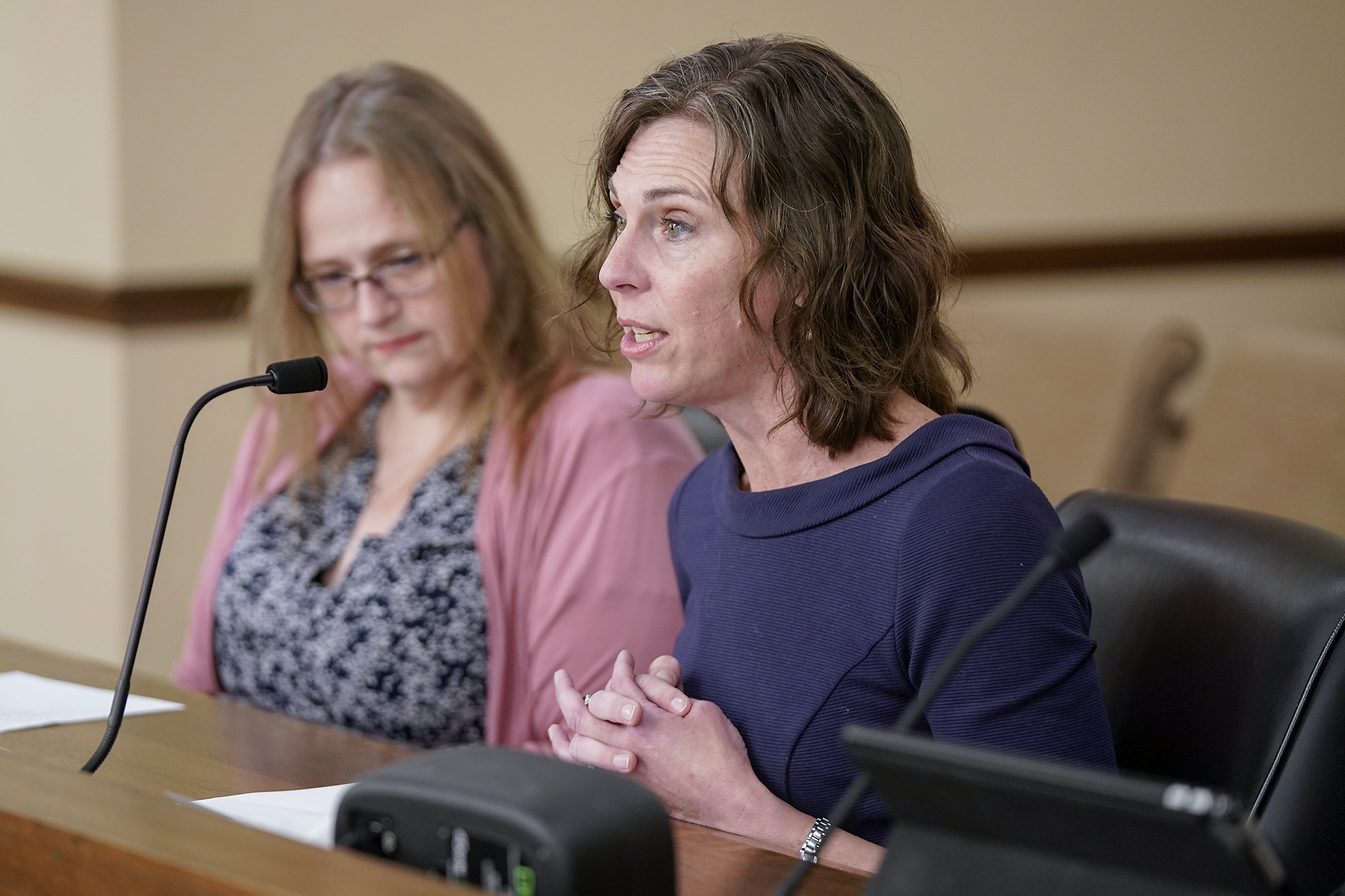
“HF4896 responds to the needs of our most complex children, children who our system currently fails when they fall through the cracks in care and get stuck boarding in hospitals, detention centers or with counties,” said Kirsten Anderson, executive director at AspireMN.
Nancy Freeman, chief operating officer at Direct Care and Treatment, said the facility wouldn’t address the entire state’s needs, but called it an early step in the creation of a “continuum of mental health care” in Minnesota.
“There is not one solution. We must pursue many in parallel,” Anderson said.
Freeman is optimistic about youth mental health treatment overall.
“Despite our system gaps, wait times and other pain points, we know that when children and families get the care that they need, they do better. Outcomes improve for the short- and long-term. Children’s mental health care improves and saves lives.”
Related Articles
Search Session Daily
Advanced Search OptionsPriority Dailies
Could 2026 retirements lead to record turnover in the House?
By Lisa Kaczke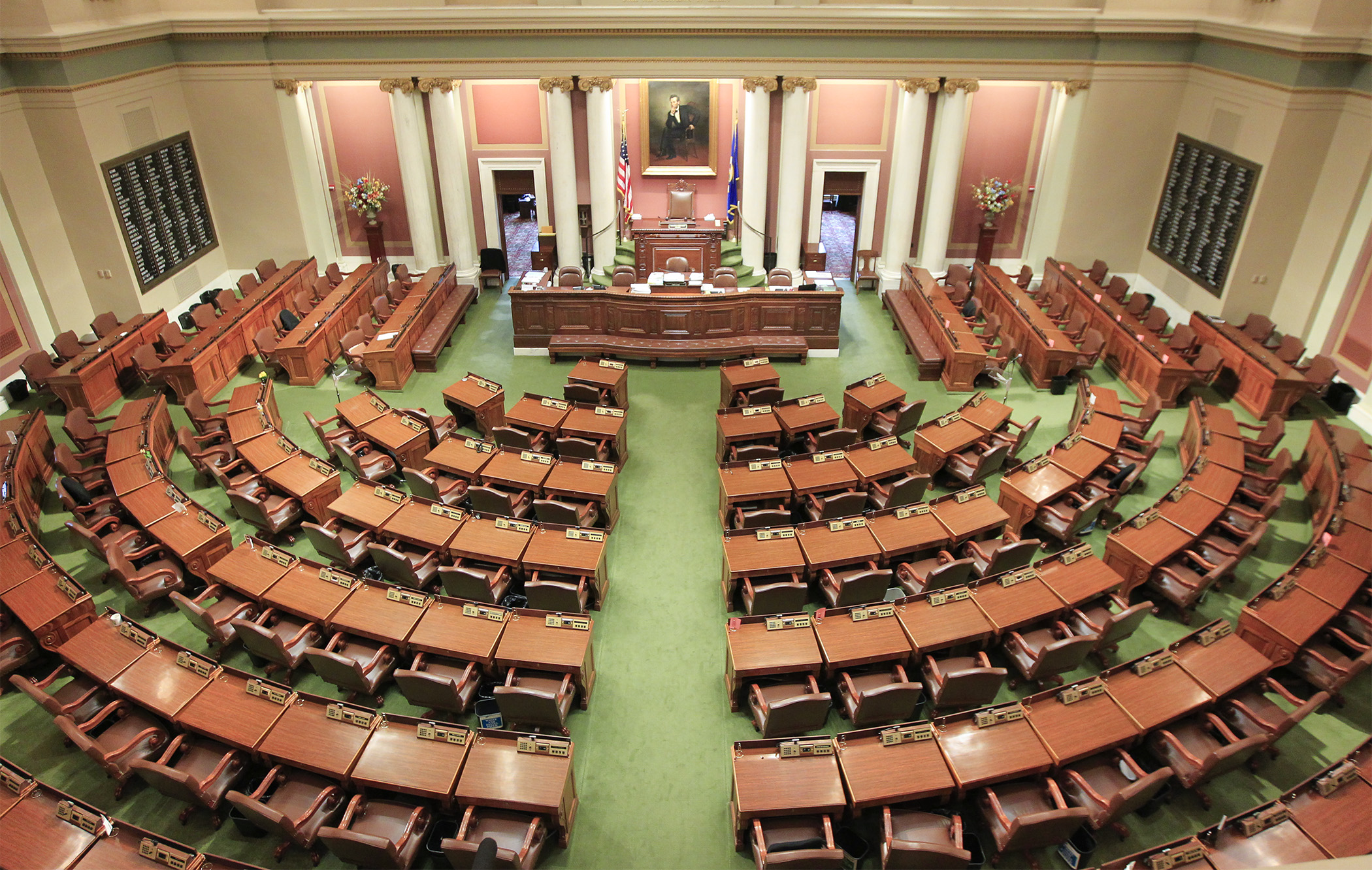 In the final weeks of the legislative session, House members not seeking re-election to the body have taken a turn at gaveling in a floor session.
It’s an opportunity to loo...
In the final weeks of the legislative session, House members not seeking re-election to the body have taken a turn at gaveling in a floor session.
It’s an opportunity to loo...
How short are the Legislature's short sessions?
By Lisa Kaczke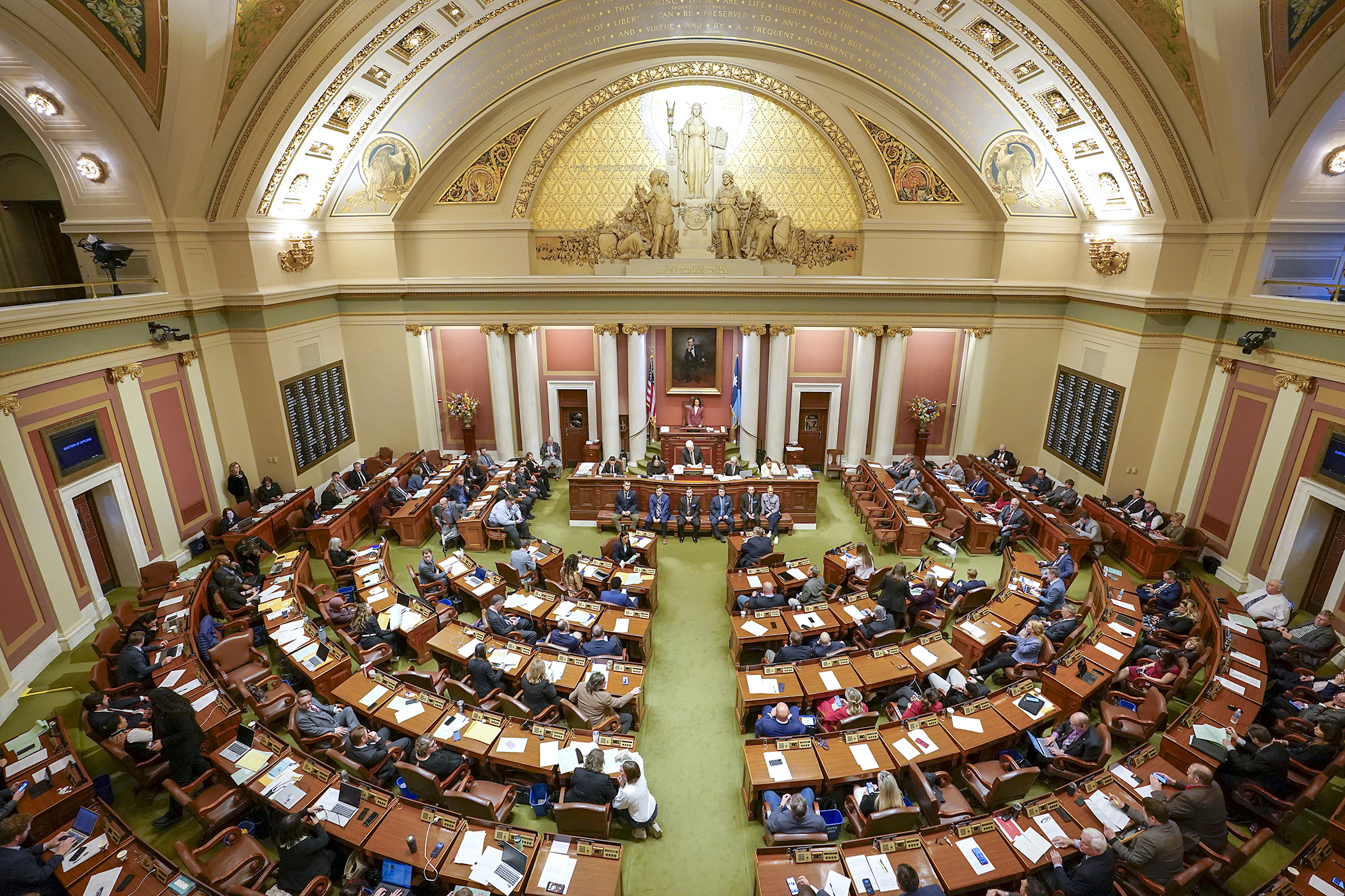 Rep. Ron Kresha (R-Little Falls) was ready to end the session March 25, making the motion to adjourn sine die. But not enough of his colleagues shared that sentiment, defeating ...
