 Minnesota Legislature
Tax committee considers 100% tax on money acquired by fraud
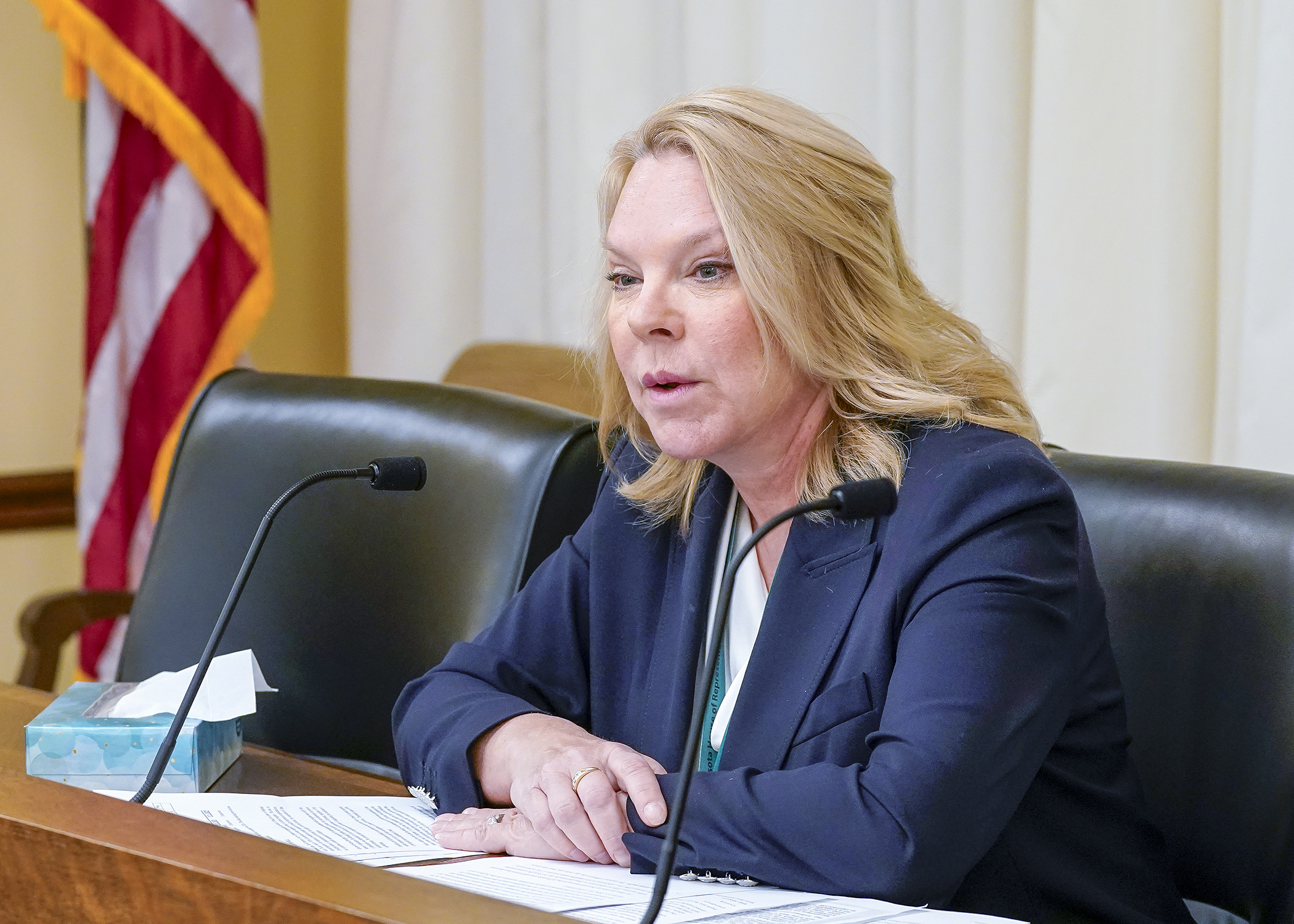
They’re calling it “The Take It Back Act.”
So said Rep. Patti Anderson (R-Dellwood) of HF5040, a bill she sponsors that, as amended, would impose a tax on a person or organization convicted of fraud in a state or federal court. The tax would be equal to 100% of the amount of money acquired by fraud of a public program.
It has proven to be a popular bill with 35 bipartisan co-sponsors, while Anderson said a clone bill with the same language has 35 additional sponsors. Anderson added that its language has passed the Senate Taxes and Judiciary and Public Safety committees and is expected to be in that chamber’s omnibus tax bill.
On Thursday, the House Taxes Committee laid the bill over for possible inclusion in its own omnibus bill.
“As we know, there have been huge sums of money that have been stolen by fraudsters from our public programs,” Anderson said. “Those dollars belong to the taxpayers, and they should be either given back to the taxpayers or spent on public programs, which was the original intent of the Legislature, that they would be spent on people who need them.”
Taxes and penalties would be deposited in a tax relief account and would be used to offset a temporary reduction in the first-tier individual income tax rate.
The bill would also allow for information sharing between the Department of Revenue and the Bureau of Criminal Apprehension for tax administration and fraud investigations. If the Legislature establishes an inspector general position, HF5040 would also require information sharing between the inspector general and the Revenue Department.
Rep. Athena Hollins (DFL-St. Paul) suggested that, rather than a tax relief fund, the money should go back into the programs from which it was stolen. She also asked about the tax’s interaction with a court’s restitution order.
“This is over and above a restitution order,” Anderson said. “And it would be quicker.”
“When a conviction comes over, we’ll be able to assess that tax right away,” said Joanna Bayers, legislative director for the Department of Revenue.
“This is one way that we can start getting the money back,” Anderson said. “We need to make fraud expensive.”
Related Articles
Search Session Daily
Advanced Search OptionsPriority Dailies
Could 2026 retirements lead to record turnover in the House?
By Lisa Kaczke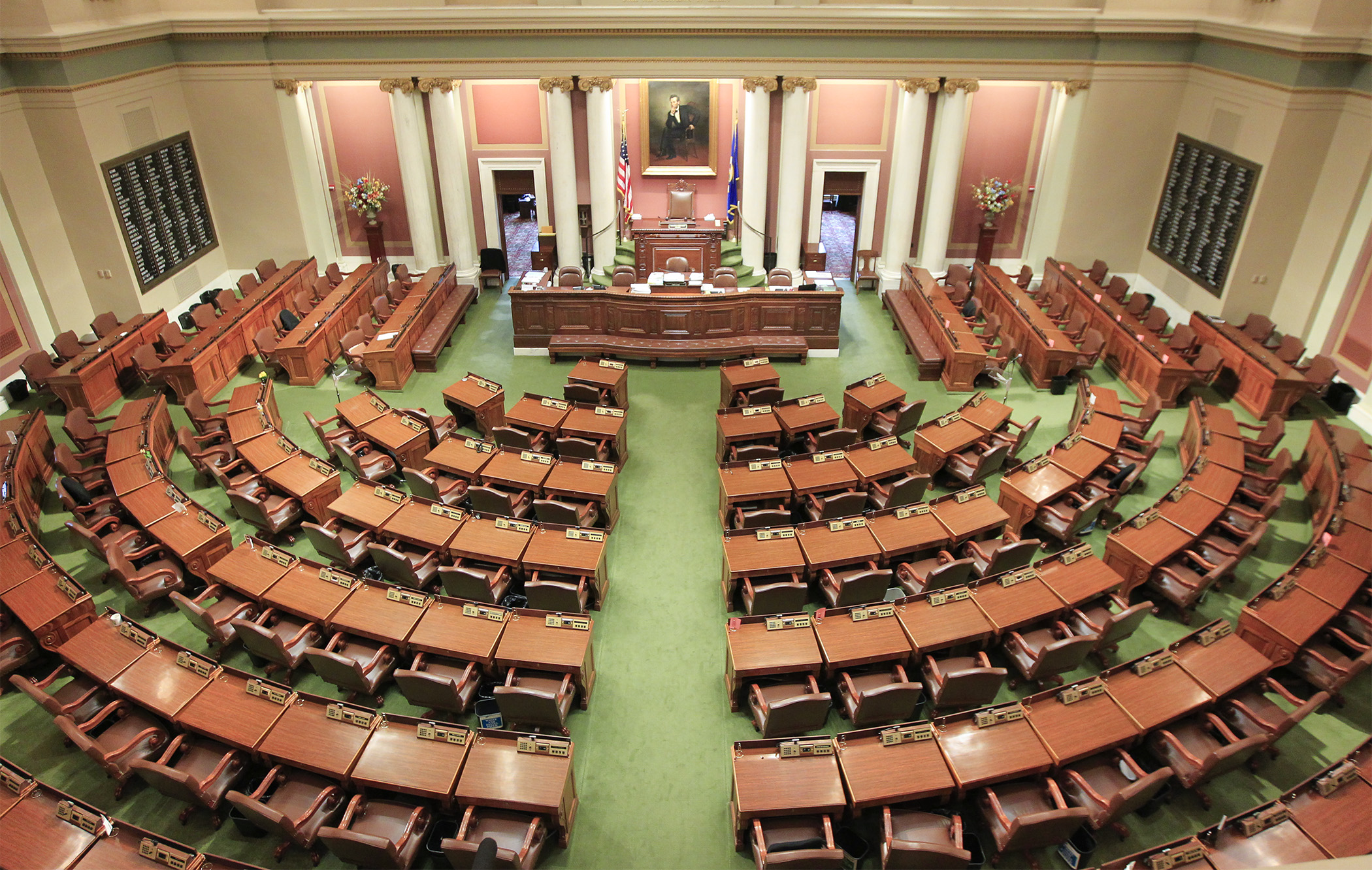 In the final weeks of the legislative session, House members not seeking re-election to the body have taken a turn at gaveling in a floor session.
It’s an opportunity to loo...
In the final weeks of the legislative session, House members not seeking re-election to the body have taken a turn at gaveling in a floor session.
It’s an opportunity to loo...
How short are the Legislature's short sessions?
By Lisa Kaczke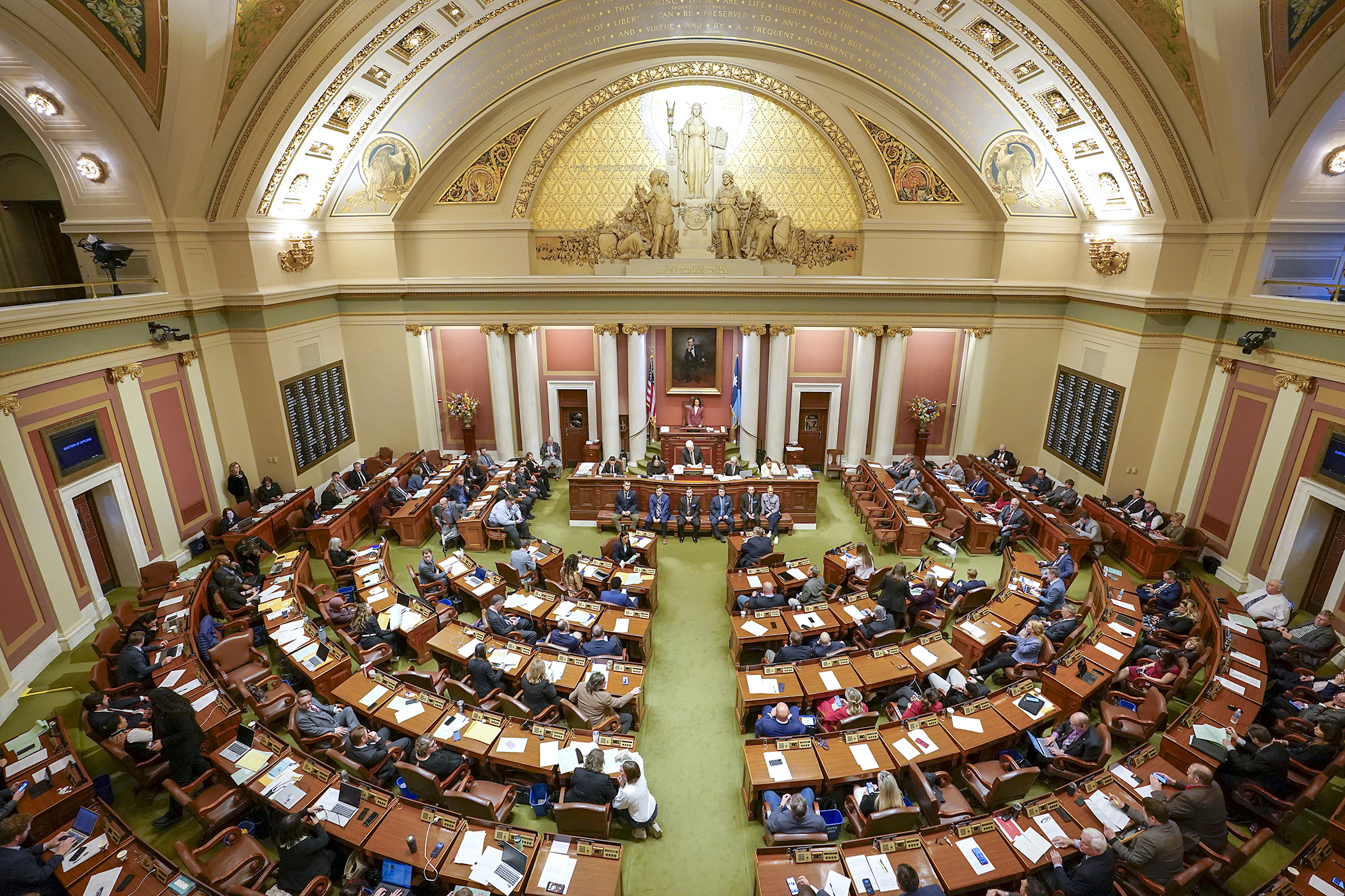 Rep. Ron Kresha (R-Little Falls) was ready to end the session March 25, making the motion to adjourn sine die. But not enough of his colleagues shared that sentiment, defeating ...
