 Minnesota Legislature
‘One and done’: Conference committee wraps up public safety policy bill
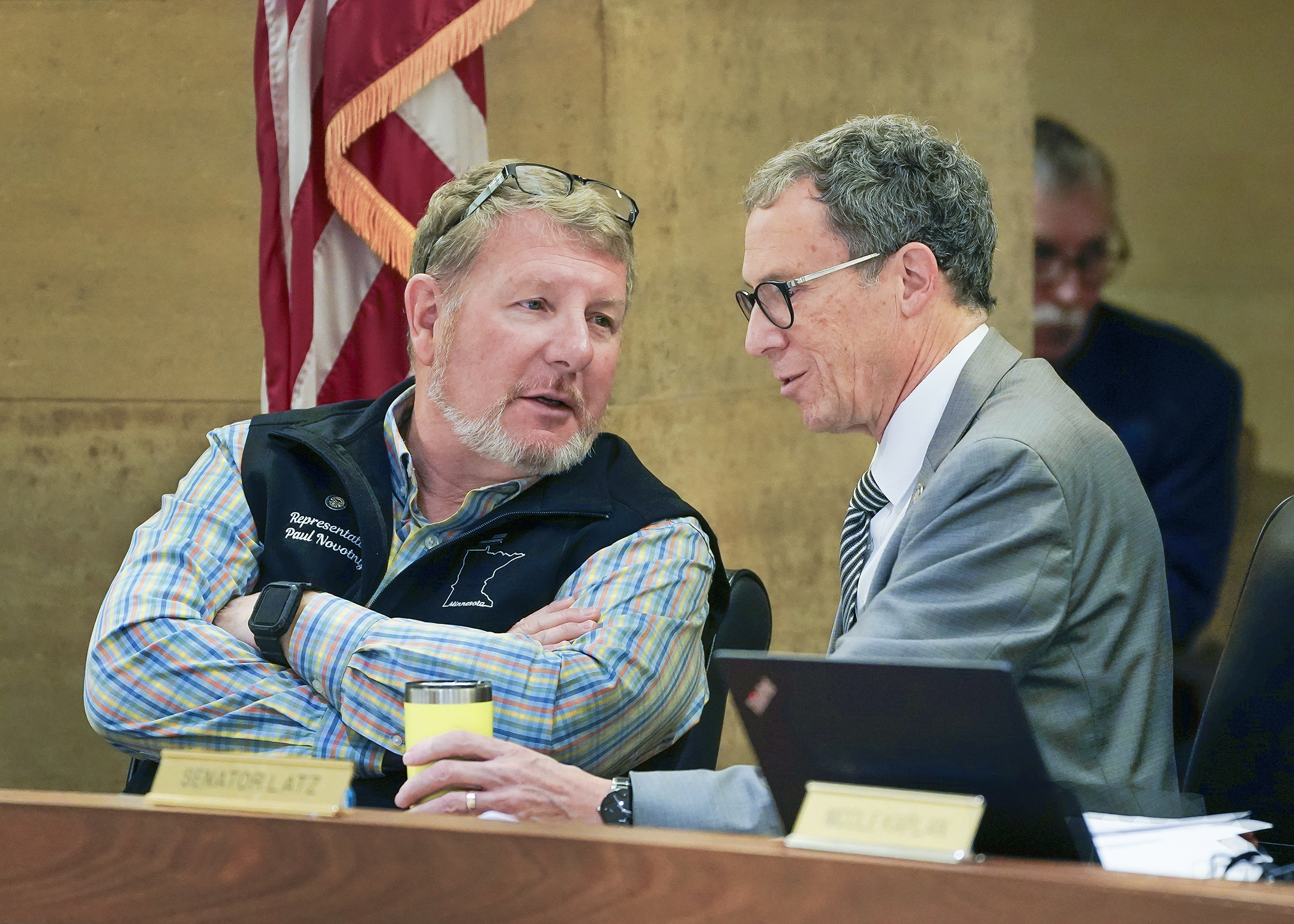
There were two firsts at the public safety policy conference committee meeting Friday.
It was the first conference committee to meet this year, and it was also the first to finish its business of reconciling the differences between House and Senate proposals.
In just a bit over two hours, the conference committee reviewed and adopted provisions from HF3990/SF4760* and policy-only provisions from HF1082.
[More: Read Session Daily stories on HF3990, HF1082]
Their decisions will be in a report that will soon arrive at their respective bodies for final votes, and if passed by both chambers, the agreed-upon package will go to the governor.
“This is a policy-only public safety bill,” said Committee Chair Sen. Ron Latz (DFL-St. Louis Park), adding that a separate conference committee would be called soon to work out the differences in the public safety and judiciary supplemental budget packages from each body.
Side-by-side comparisons, adoptions
To assemble the conference committee report, the seven members considered a side-by-side comparison of the House and Senate bills, and adopted 23 provisions appearing in House, Senate, or both public safety policy bills.
Notable provisions adopted from the House bills include:
- modifying rules on how medications are disbursed to persons in jail;
- establishing an Improving Responses to Domestic Crimes Task Force;
- requiring all police markings to be removed before police vehicles are sold to the public;
- adding certain cancers and infectious diseases to the conditions that qualify as duty-related deaths for peace officers and firefighters;
- adding “forged digital likeness” to the crimes prosecutable under identity theft statutes;
- banning predictive market wagering;
- requiring inmates to complete court-ordered restitution payments before they can be considered for supervised release; and
- allowing a person to be denied public employment or obtaining a professional license based on a criminal conviction regardless of whether the applicant shows evidence of rehabilitation and current fitness to perform the duties of the position or license.
Notable provisions adopted from the Senate bill include:
- modifying the legal procedures a victim of domestic violence can use to be released from a shared wireless plan and obtain a new telephone number;
- requiring the Bureau of Criminal Apprehension to perform background checks for the Office of the Legislative Auditor;
- establishing a community supervision working group; and
- allowing a crime victim to object to a plea agreement at the plea hearing and establishing that the victim has a right to be present at both a plea hearing and a sentencing hearing.
Rep. Kelly Moller (DFL-Shoreview) noted there were several provisions in the 130-page side-by-side comparison that the conference committee took no action on.
She said the public should know that inaction on these provisions was not due to the conference committee feeling that these items were somehow not worthwhile, but that they were already passed separately in other bills.
Rep. Sandra Feist (DFL-New Brighton), however, expressed her disappointment that language from a Senate bill prohibiting law enforcement agencies from obtaining “reverse warrants” was not included in the conference committee report.
Unlike traditional warrants that focus on a known suspect, reverse warrants compel technology companies such as Google to identify all users who were within a certain location or who searched for specific keywords during a set timeframe.
“It’s an important provision protecting our Fourth Amendment rights here in Minnesota,” she said.
Related Articles
Search Session Daily
Advanced Search OptionsPriority Dailies
Could 2026 retirements lead to record turnover in the House?
By Lisa Kaczke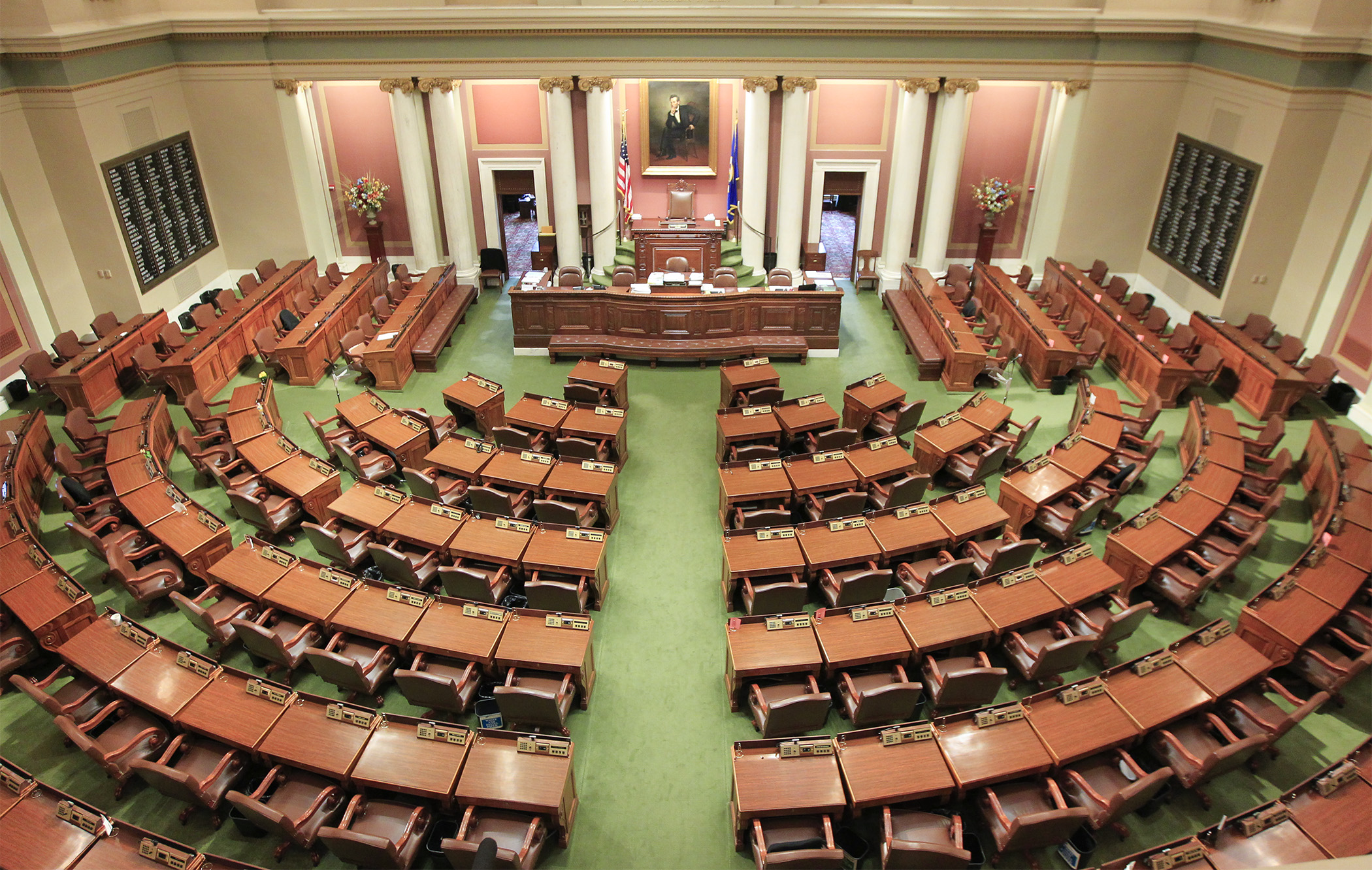 In the final weeks of the legislative session, House members not seeking re-election to the body have taken a turn at gaveling in a floor session.
It’s an opportunity to loo...
In the final weeks of the legislative session, House members not seeking re-election to the body have taken a turn at gaveling in a floor session.
It’s an opportunity to loo...
How short are the Legislature's short sessions?
By Lisa Kaczke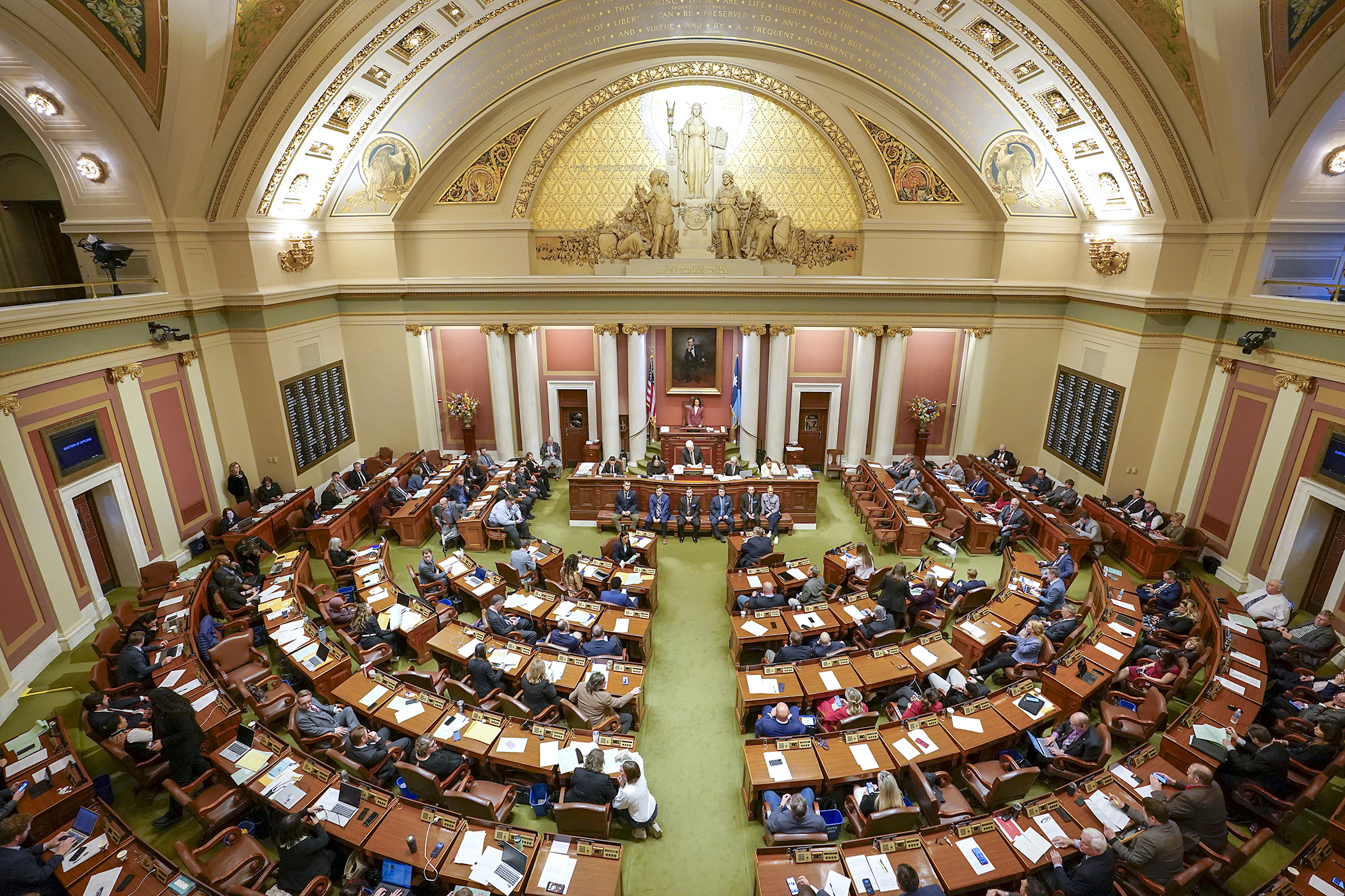 Rep. Ron Kresha (R-Little Falls) was ready to end the session March 25, making the motion to adjourn sine die. But not enough of his colleagues shared that sentiment, defeating ...
