Dear Neighbors,
As we enter the 2026 session, there is a lot that we need to take on in order to improve the lives of Minnesotans. Whether it’s addressing fraud, holding ICE accountable, or taking action to reduce gun violence, my DFL colleagues and I are ready to get to work. By standing up to authoritarianism and greed we can make a better Minnesota. If you have any state level issues or concerns please don’t hesitate to reach out this session.
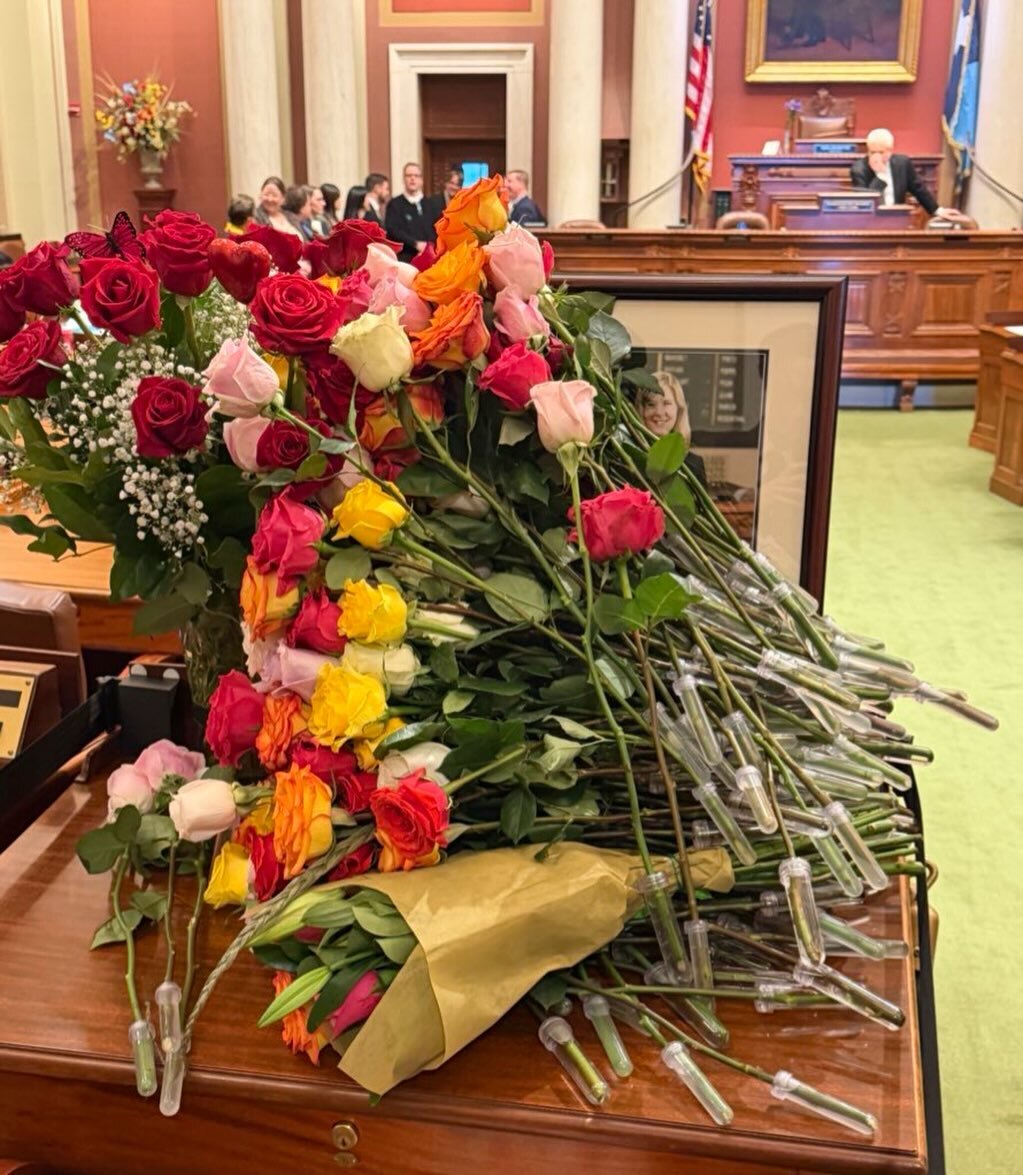
While I’m excited to get to work this year, we did start off on a solemn note. This is the first session in 20 years where Melissa Hortman will be absent. She leaves behind a legacy of fierce advocacy for the average Minnesotan and I hope we will honor that legacy this session.
My Priorities
This year I’ll be returning as a Co-Chair of the Environment and Natural Resources Committee. Given that this isn’t a budget year and we are in a tied house, the policy updates we can pass will be limited. That said, I will fight for policies that protect our natural resources, including our precious Boundary Waters. For a round table on issues that will come up this session watch here.
Standing up to ICE
Our state has been devastated by Operation Metro Surge. I never thought I’d see the day where our federal government is blatantly breaking the law, killing our neighbors, and lying about it. We must employ every tool we can to stand up to these unconstitutional actions.
This week, we hit the ground running with bills to deliver rental assistance to impacted families and ban federal agents from our schools without a judicial warrant. We are also ready with many more bills, like banning federal agents from masking their identities and requiring an independent investigation into the killings of Renee Good and Alex Pretti.
While state government has certain limits to how much we can do to push back against Trump’s unconstitutional actions, we must do all we can.
Countering Fraud
The ongoing fraud issues hurting our state are infuriating and very upsetting to me. Every dollar taken from a public program is a dollar that doesn’t go to housing the disabled, educating kids, or caring for our elderly. These services are critical and we must restore their integrity.
This is an issue that was the first thing talked about at my Town Hall. The following things are some of what we have done over the last several years to attack the problem:
- Innovative, far-reaching, and comprehensive grant requirements now apply to non-profits and organizations receiving state grants of at least $50,000.
- The law establishes similar requirements for executive branch agencies, boards, committees, councils, authorities, and task forces making grants
- Agencies can terminate a grant if the grantee is convicted of a crime related to the grant.
- Individuals and entities who’ve had certain convictions or have violated previous contracts can be suspended or prohibited from receiving grants.
- New office within the Department of Administration oversees grants awarded by state agencies and sets policies for managing grants to non-profits.
- The office has issued more than a dozen policies with strict requirements for non-profits before receiving state funding.
- New guardrails include a risk assessment requiring tax returns, current 990s, audit results, evidence of good standing with the Secretary of State, criminal history of principals, and a review of the organization’s track record in carrying out similar responsibilities to those outlined in the grant.
- Agencies can delay or deny a grant, demand more information, or create a risk mitigation plan.
- Agencies must develop written agreements with grantees that specify a project timeline, the organization’s duties, reporting requirements, and details about grant payments.
- These guidelines, timelines, and reporting info will help evaluate grantees’ financial soundness, verify they are legally incorporated, and help ensure they can manage the grant.
- Agencies must make at least one monitoring visit to the non-profit before final payment.
- State agencies must conduct a financial reconciliation of the grantee’s expenditures before final payment.
- All non-profits receiving grants of $25,000+ must submit progress reports to remain eligible for payments. Non-profits with past-due progress reports cannot receive grant payments.
- Agencies must report to the Department of Administration on the purpose for each grant along with a performance evaluation.
- Lawmakers funded additional staff within Minnesota Management and Budget dedicated to oversight, along with a new Statewide Internal Audit Office.
- The Department of Administration has hired additional staff to provide grant oversight and is conducting a study to determine the necessary staffing and technology for effective statewide grants management.
- Provided funding for the hiring of over 400 hundred more investigators for the Department of Human services.
One of the questions I have heard is about getting our money back. As an example In Feeding Our Future fraud over $76 million in cash and assets have been received with an additional $40 million more being levied by the courts.
The other question I have heard is what happens to the money we recover - in the Medicaid Fraud over half the money goes back to the Federal Government as they provide over half the funding in those programs. The rest of the recovered money goes to the general fund.
Only by working together honestly can we get this situation sorted and get things back on track.
Town Hall Thank You!
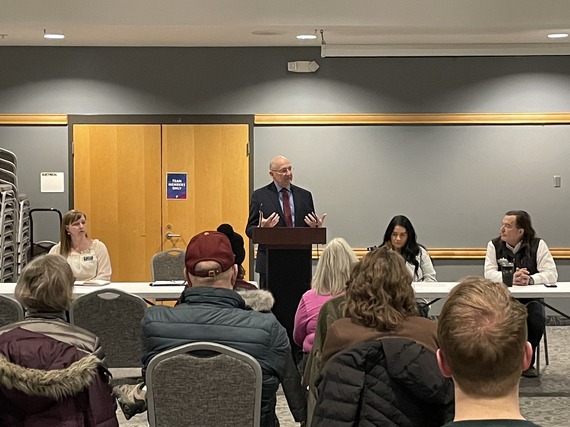
Thanks to everyone who stopped by our Maplewood town hall last week! We talked about preventing fraud and combatting ICE. ICE was foremost on many of our minds so we spent a long time detailing what we can do as a community to push against their overreach. We also briefly touched on mining in the BWCA; our land and waters are integral to the health of our state. I will do all I can to prevent the exploitation and destruction of such a unique and important ecosystem.
Keep in touch
Please continue to reach out with any input, ideas, or feedback about the issues important to you. I value hearing from you, so call (651) 296-5363 or email any time at rep.peter.fischer@house.mn.gov. You can find my information on my House website.
Sincerely,
Peter Fischer