 Dear Neighbors, Recently, I had the opportunity to visit the Metropolitan Mosquito Control District. It was a fascinating tour of their labs and facilities, and I loved learning about their work. The staff at MMCD are wonderful, energetic scientists and public servants performing essential public health work, protecting our health and improving quality of life for everyone in the metro. We all benefit, whether we realize it or not.  Mosquito Control in Minnesota Now that spring has arrived the 52 species of mosquitoes that call Minnesota home will begin to emerge and the Metropolitan Mosquito Control District will be out checking ponds, wetlands, and other areas of standing water where these biting insects begin their life cycle. 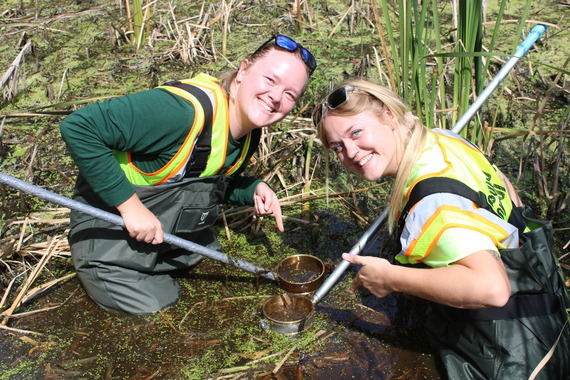 Staff in bright yellow “Public Health Mosquito Control” safety vests will be out in the community in parks or neighborhoods doing surveillance and control measures for the mosquitoes that are the biggest concern to public health or cause a significant human nuisance (fun fact: not all species of mosquitoes bite mammals).  MMCD currently projects an average year when it comes to mosquitoes with a potentially slow start and a peak around the beginning of July. MMCD's science-backed Integrated Pest Management program starts with collecting thousands of samples from around the Twin Cities and sending them to the entomology lab in St. Paul to be identified. The species that are most likely to harm humans are controlled during their larval stage using dry granules containing a soil bacterium that is specific to mosquitoes and does not harm people, pets, wildlife, or other non-target insects like bees and butterflies. While “mosquito” may be in the name, MMCD also monitors tick populations and does control and surveillance for biting black flies (also known as biting gnats). Ticks are a major public health concern as deer ticks (or blacklegged ticks) spread Lyme disease, which is the most prominent vector-borne disease in the U.S., and a host of other pathogens. May is Lyme Disease Awareness Month and the peak time of year for tick activity, so take precautions by wearing insect repellent, doing thorough tick checks, and applying preventatives to your pets. This year MMCD has a new “tick ID magnet” that they will be handing out at events throughout the season including Grand Old Day in June and the Minnesota State Fair at the end of the summer. You can also contact them to request one at any time! 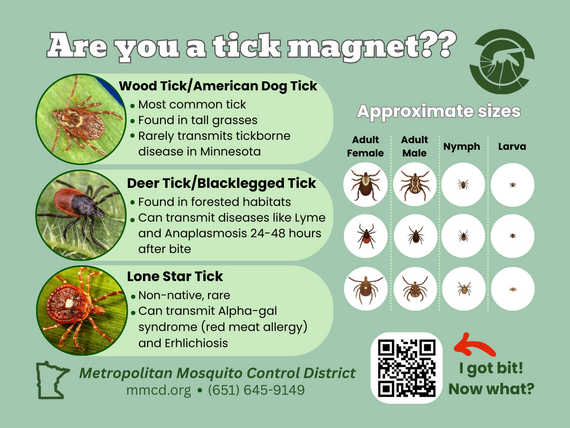 Residents can see maps of mosquito control activity, sign up for alerts, and learn more about how to protect themselves from bites at MMCD.org. Stay Connected Based on weather forecasts and other data, MMCD predicts that 2026 will be an average year with a high number of cattail mosquitoes emerging in early July. Field mosquito technicians will be working in coordination with the entomology lab to determine which areas are the “hot spots” for mosquito activity. Each year the start of the mosquito season depends on snowmelt, rain, air temperatures, and several other factors. This year, seasonal field staff began working on April 13th, and residents of the seven-county metro area may notice green or white trucks with the MMCD logo or staff on bikes or on foot wearing brightly colored “Public Health Mosquito Control” vests. Helicopter treatments have recently begun. If you have questions or concerns about mosquito control activities, please call the MMCD front desk at (651) 645-9149 or visit mmcd.org. Sincerely, Leigh Finke State Representative - 66A Legislative Assistant: Robin Mercer-Taylor Email: robin.mercer-taylor@house.mn.gov |