Dear Neighbor,
Another week of the 2026 legislative session is coming to an end. Here is the latest from the House:
OIG bill
Fraud has been biggest issue that we’ve been hearing day after day, week after week, month after month, throughout the summer and over the last year. We need basic, common-sense reforms to get a handle on this situation that has allowed an estimated $9 billion to be stolen from taxpayers.
One proposal creates a new Office of the Inspector General, operating as an independent office with law enforcement authority that other agencies do not have. Minnesotans on both sides of the aisle should be able to agree to this bill which passed the Senate by an overwhelming 60-7 vote last year.
The key to this issue is we need to create an OIG that is truly independent of Republicans and Democrats and focuses on eliminating fraud and being able to go forward and prosecute people as warranted. This would begin the process of cleaning up our state’s massive fraud problem without the pressure of governors or legislators. The OIG can do the work that needs to be done without the cloud of being fired, with an air of independence that will put Minnesota taxpayers first and put criminals behind bars.
The problem is House Democrats have already blocked progress on this proposal four times already this session, twice in committee and twice more on the House floor. It is disappointing Democrats continue standing in the way of this bill just because Republicans would not allow them to weaken independence and strip enforcement capability for the office that is sorely needed.
FFA Week/Ag grants
 It’s National Future Farmers of America week and I want to thank the 16,000 FFA members and 200 chapters across the state. Minnesota is a top-tier agricultural state, ranking 6th nationally with $26 billion in annual sales. With 25 million acres of farmland and 67,100 farms in Minnesota, the ag industry drives the state economy. This is in no small part due to the work FFA is doing to bring along our next generations of agricultural leaders. It teaches students valuable skills in farming, leadership, and business, preparing them for careers in agriculture. As a farmer myself, I have a great appreciation for FFA and am happy to see this organization continues serving such a vital role in our state to help get young people into farming. The average age of farmers is in the high 50s, and that’s probably only going to increase until we get younger generations up and running. The state has Beginning Farmer Equipment and Infrastructure Grants to support new farmers in Minnesota to access equipment and develop infrastructure that will be crucial to the future of their farm business. I hope this program succeeds in retaining young farmers and getting young people back onto the land. Click here for more on these grants. Note: Applications for this round of funding are due on March 26. Capitol visitors Thank you to area residents who continue making the trek to St. Paul to discuss issues with me. Some of the most recent guests include: |
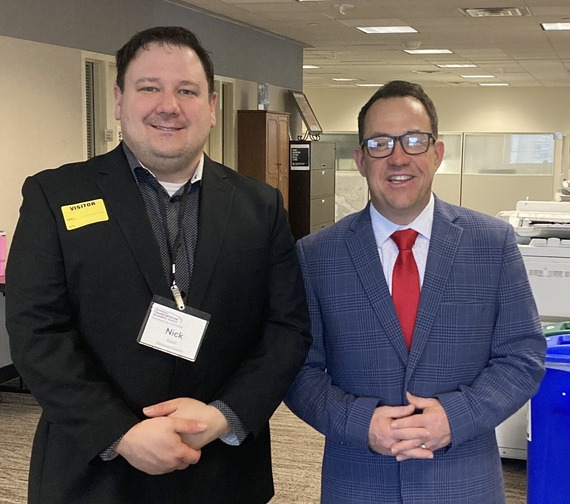
Nick Klisch of the Redwood County Minnesota Transportation Alliance
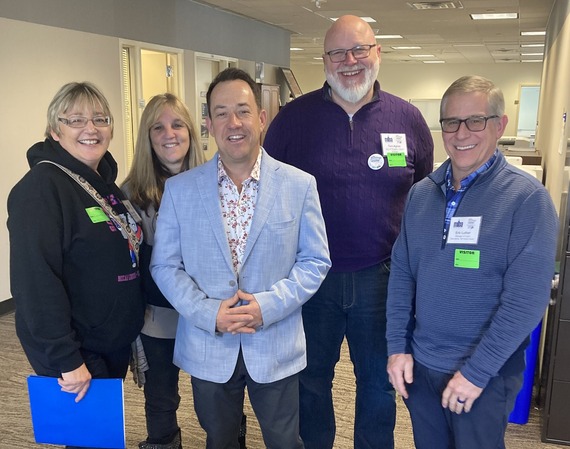
Tall Grass Liquor Operations Manager Eric Luther and others
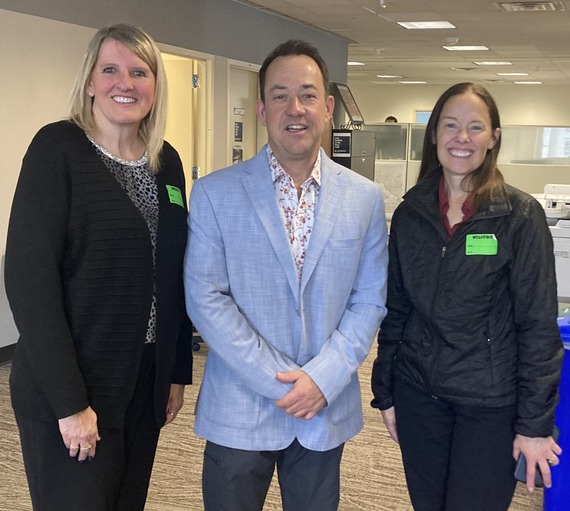
Small Business Development Center representatives
Property taxes
Property taxes going up? It's largely the result of bureaucrats in St. Paul passing the buck on new local mandates. It needs to stop.
Last year was a budget year in the legislature and Gov. Walz talked a big game of cutting state spending. The problem is state mandates he and fellow Democrats have enacted continue to impact local property taxes and we have seen property tax hikes across the state.
A group of 287 mayors from across Minnesota signed a letter indicating policies and mandates they are pushing down on local units of governments – counties, cities, townships and school districts – are a burden that is too much to bear.
All those costs to comply with state mandates are getting passed on to property taxes. House Republicans are working lessen the burden that the state of Minnesota puts on local units of government.
What are the mandates that we’re putting on them? What are the things that we're telling them to spend money on, that local elected officials wouldn’t do on their own And, if there are mandates coming down from the state government, they need to be paid for by the state government, not local property taxpayers.
As we are moving a ton of bills forward, we’re going to be looking at ways that we can address that. You can practically hear the pens scratching out extra-big checks to your local property taxes!
We’re also looking at ways that we can eliminate the sales taxes on essential infrastructure projects – such water treatment plants or water towers – so that those dollars stay in our local communities and can be invested there.
Look for more as these and other issues unfold. A new economic forecast was issued today and we can take a look at that next time. For now, have a great weekend and let me know how I can help.
Sincerely,
Chris