Legislative Update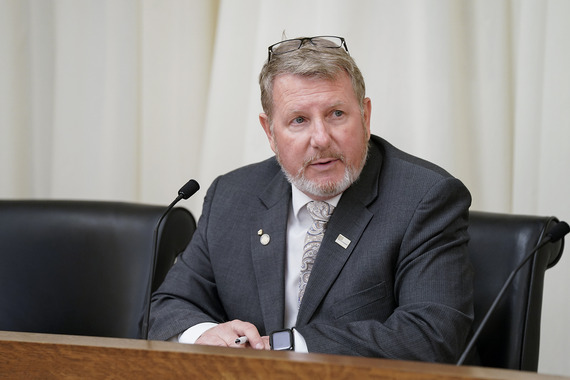 Friends, Week four of the legislative session didn't hold back on any surprises—though at this point, some of them are starting to feel a little predictable. The week kicked off with the Walz administration continuing their ongoing accountability hiatus. When the House Fraud Prevention and State Agency Oversight Committee convened Monday morning to ask some fairly straightforward questions about fraud in state programs, the administration simply… didn’t show up. Just last week, they at least sent staff to the Judiciary Committee—unfortunately, those staffers couldn’t answer questions about the extensive redactions in the Optum fraud report. This week, they took a new approach: send no one at all. But here’s the part that you just really can't make up: The very same DHS staffers who apparently couldn’t make time for the Fraud Committee hearing showed up in the exact same committee room just minutes later… to ask the Ways and Means Committee for more funding. So to recap: no time to answer questions about fraud, but plenty of time to request more taxpayer dollars. Funny how the calendar clears up when there’s money on the agenda. Six Weeks to Find What Eight Years Missed?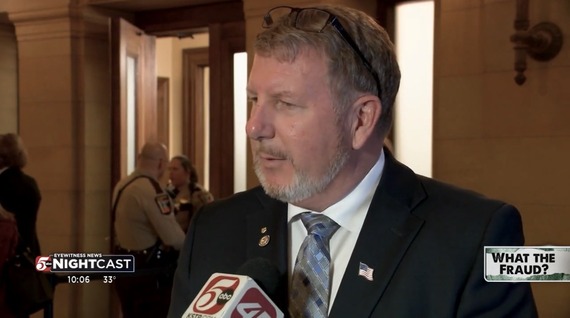 This week I spoke with KSTP’s Renée Cooper about the sudden and unexpected resignation of Program Integrity Director Tim O’Malley, who was appointed by Governor Walz in December to lead a new statewide fraud prevention effort. The position was created to coordinate fraud oversight across state agencies—including Medicaid programs that have been plagued by abuse—and was housed within the Bureau of Criminal Apprehension. The role was expected to run through the end of the Walz Administration in November. Instead, after just six weeks, Judge O’Malley wrapped up his work. In that short window of time, he produced a 58-page report outlining major weaknesses in taxpayer-funded programs and recommending stronger safeguards. His suggestions include criminal background and credit checks for large funding recipients, verifying provider addresses, requiring disclosure of involvement in other taxpayer-funded programs, and strengthening documentation requirements. Many of the recommendations are welcome—and frankly, they echo concerns Republicans have been raising for years about accountability, oversight, and protecting taxpayer dollars. But it does raise an obvious question: if these problems could be identified and documented in six weeks, how did they go unaddressed for the past eight years? The conversation at the Capitol is now shifting toward how Minnesota should recover taxpayer dollars that have already been stolen. One proposal being discussed would allow private investigators to receive a percentage of the funds they help recover. While the goal of recovering those dollars is important, I have serious concerns about that approach. As a retired law enforcement officer, I believe accountability should never be driven by financial incentives. We don’t give law enforcement officers a cut of the fines they issue, because it would raise legitimate questions about motive. The same principle should apply here. While the report offers a helpful roadmap, Minnesota should go even further—such as establishing an independent Office of Inspector General to provide stronger oversight. Interestingly, many of the ideas in this report are proposals Republicans have introduced before, but were previously rejected by the DFL. Turns out, accountability works a lot better when people actually listen to it! Second Chances, Not Blind Chances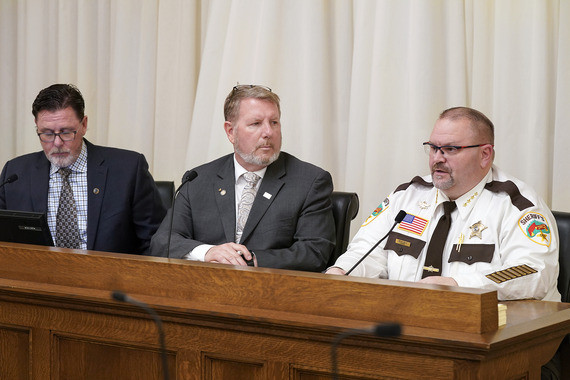 This week in the House Public Safety and Judiciary Committee, I introduced House File 3990, legislation that clarifies how prior criminal convictions are considered when someone applies for public employment or a professional license. As someone who spent years in law enforcement, I do believe in the power of rehabilitation and second chances. People can change, and when they do the hard work to turn their lives around, they should have the opportunity to move forward. But, we also have to lead with common sense. Some jobs come with serious responsibility and access to sensitive information. For example, certain positions provide access to public records that include information about minors, or place individuals in roles where they work closely with vulnerable populations. If someone has committed an offense involving minors, it’s not unreasonable to ask tough questions before granting access to that kind of information or authority. That’s exactly why clear, credible proof of rehabilitation matters. House File 3990 strengthens the framework for how rehabilitation is evaluated by ensuring decision-makers can look at solid evidence that someone has truly changed and is fit for the role they’re seeking. At the end of the day, this bill is about striking the right balance: believing in second chances while never losing sight of our responsibility to protect the public. Because when it comes to public safety, doing our due diligence isn’t optional—it’s absolutely essential. Good Conversations with Great Neighbors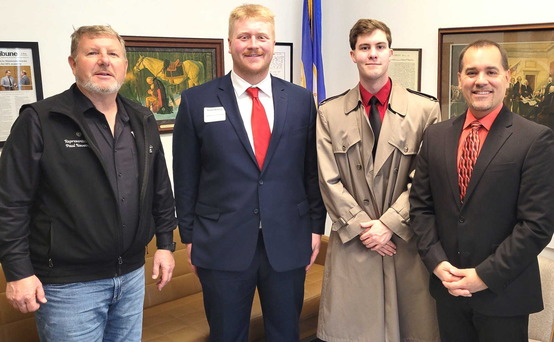 Great teaming up with Senator Eric Lucero (R-Dayton) to meet with members of the Minnesota Association of Private Colleges. Expanding opportunity doesn’t stop at K-12—school choice matters in higher education too. Grateful for the conversation about how we can make private post-secondary education more accessible and affordable for Minnesota students 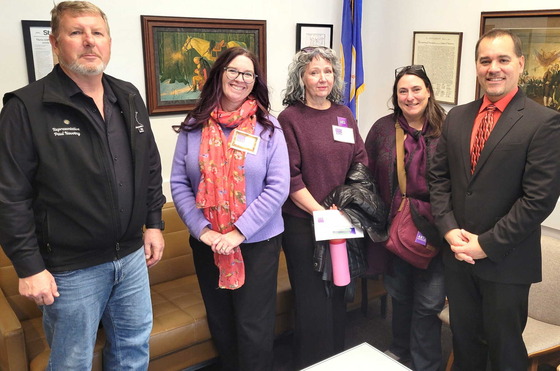 It was also excellent to meet with members of Minnesota Citizens for the Arts. Minnesota’s arts community plays a huge role in strengthening local culture, supporting creative careers, and enriching communities across our state. I appreciated the opportunity to hear directly about the issues that matter most to them and the ways they are working to keep Minnesota’s arts community vibrant and accessible. 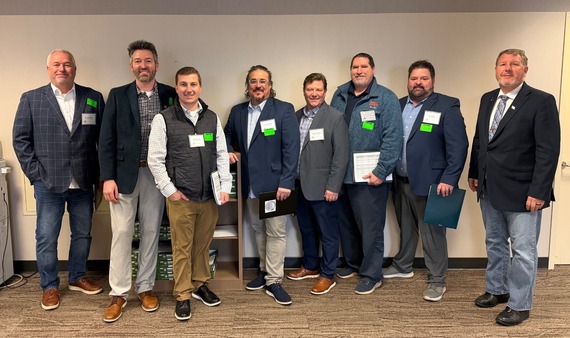 It was great connecting with the Minnesota Beer Wholesalers Association this week! Minnesota’s craft brewing and distribution community plays a big role in supporting local businesses, jobs, and our state’s economy—grateful for the conversation and for the work they do across Minnesota. 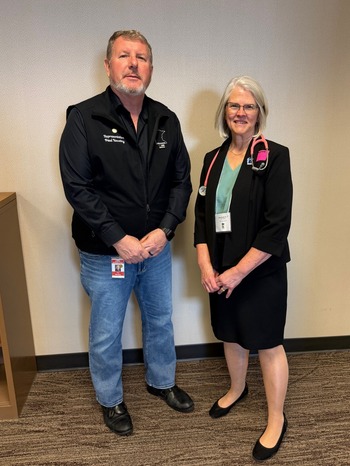 Great to meet with Becky Randall from the Minnesota Academy of Physicians during Physicians Day on the Hill! Always grateful for the opportunity to hear directly from the medical professionals who are on the front lines of caring for our communities and advocating for strong healthcare policy in Minnesota. My Door Is Always Open!As the session keeps rolling along, I’m looking forward to sharing more updates in the weeks ahead about the legislation we’re working on and the issues that matter most to our community. In the meantime, please don’t hesitate to reach out. Whether you want to stop by the office, give us a call at 651-296-4237, or send an email to rep.paul.novotny@house.mn.gov, I always appreciate hearing from you. After all, the best ideas often come straight from the people back home. As always, thank you for the opportunity to serve. Sincerely, Representative Paul Novotny |