Dear Educators, As we get closer to the end of session, I wanted to give you a straightforward update on where things stand on education and what we’ve been working on in the House. I’ve spent a lot of time talking with teachers, administrators, and folks back home, and the message has been consistent. You want fewer mandates, more flexibility, and the ability to focus on students without constantly being pulled in different directions by decisions made in St. Paul. That’s been the focus of our work this year. Local Control and Mandate Relief: Empowering Teachers We’ve been pushing to return more decision-making authority to the local level. Schools shouldn’t have to wait on the state to solve problems they’re already dealing with in real time. House File 4116 would require a local impact note and a clear timeline before new mandates take effect. If the state is going to require something, schools should know upfront what it will cost and how it’s going to affect their day-to-day operations. Scholarship Granting Organization (SGO) Tax Conformity: Supplemental Funding Stream House File 3490 is about making sure Minnesota doesn’t miss out on an opportunity that already exists at the federal level. Right now, individuals can receive a federal tax credit of up to $1,700 for donating to organizations that support students. Without action at the state level, those dollars are likely going to end up supporting schools in other states. Minnesota taxpayers are already sending this money to Washington. This bill gives us a way to bring some of it back and use it here. Even a small level of participation could generate well over $100 million for schools across the state. This applies to all schools. Public, nonpublic, it doesn’t matter. Districts can be part of it, and the funding can be used for things like tutoring, transportation, or student support services. There’s no cost to the state to participate. Choosing not to take part means leaving those dollars on the table while other states use them. If we’re serious about supporting students, we should be using every option available. Protecting Special Education Funding: Stopping the Governor's $250 million in cuts Right now, schools are being told to prepare for a potential $250 million dollar cut to special education funding if projected savings from a state commission don’t come through. That puts districts in a tough spot, trying to plan budgets around something that may or may not happen. House File 4114 fixes that. It removes the automatic cut and puts those decisions back where they belong, in the legislative process. Schools need stability, especially when it comes to serving students with more complex needs. This change gives districts more certainty moving forward. School Safety: A Multi-layered Approach School safety has been another major focus this year, and the approach has been pretty simple. Give schools the tools they need and let them decide how to use them. We’ve proposed increasing school safety funding, which hasn’t been updated in over a decade, and making sure those dollars are flexible. That could mean hiring school resource officers, upgrading building security, or addressing cybersecurity issues that districts are starting to deal with more often. We’ve also worked on improving how threats are reported and handled, including expanding access to anonymous reporting tools and making sure schools have plans that actually reflect what they’re dealing with. There’s been a focus on early intervention, making sure schools have access to mental health resources so issues can be addressed before they turn into something bigger. At the end of the day, students and staff should feel safe walking into school. That’s something we can all agree on. 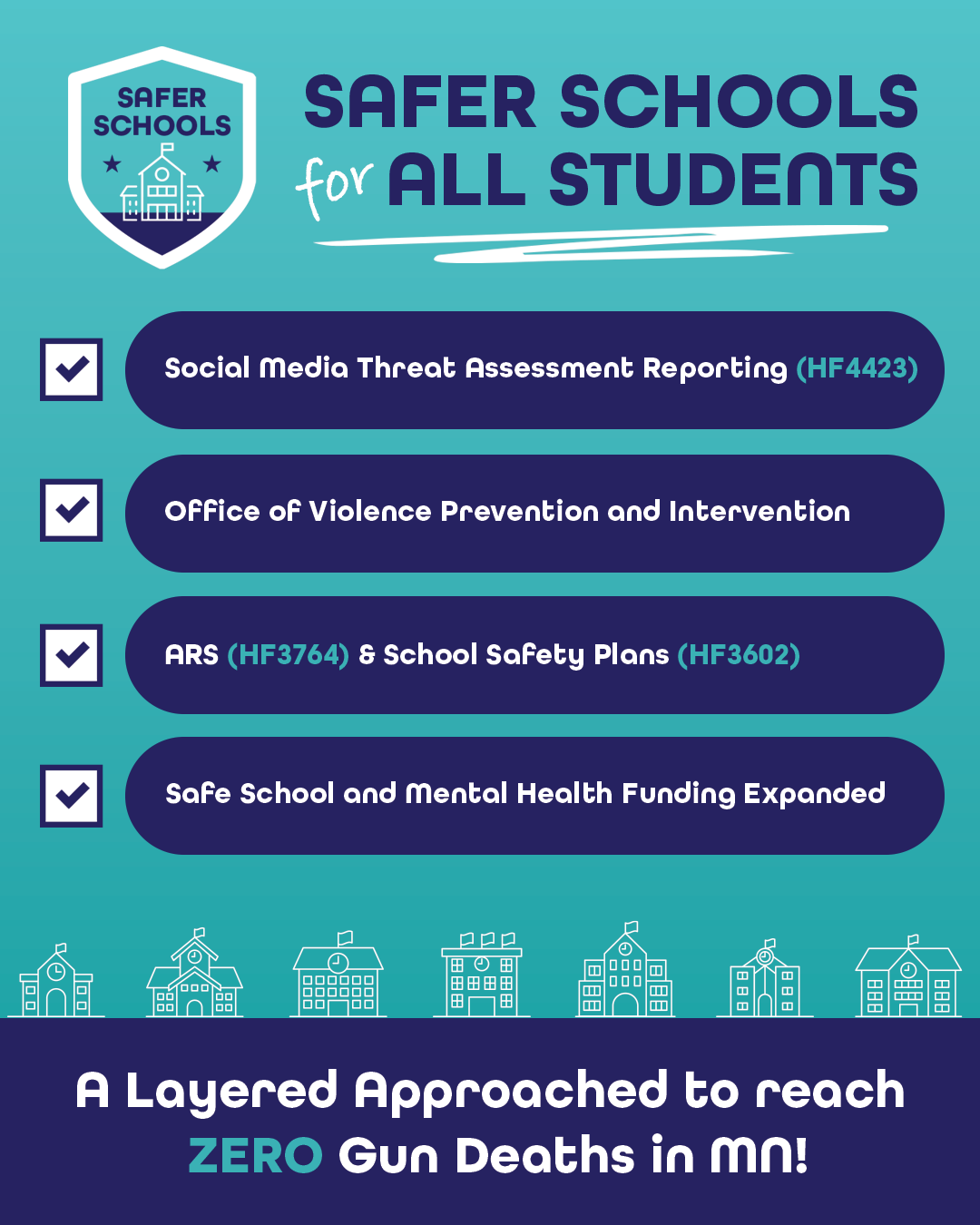 Classroom Discipline: Safer & Better Learning Environments We’ve also introduced several bills to give teachers and administrators clearer authority when it comes to discipline. When there are ongoing disruptions, it impacts everyone in the classroom. These proposals are about making sure schools have the ability to step in and keep things on track. One of these bills, HF 4027, would give you a practical tool to address serious classroom disruptions by allowing a short, structured removal so you can reset the situation, involve parents, and get students back on track quickly. Teacher Pensions Last session, we made meaningful progress on teacher pensions by improving benefits and strengthening the long-term stability of the system. That included adjustments to cost-of-living increases and additional funding to help ensure the system remains reliable for current and future retirees. These changes were aimed at giving educators more certainty when it comes to retirement planning and making sure the commitments made to them are actually kept. This year, the focus has been on maintaining that progress and continuing to build a system educators can count on over the long term. Other Proposals There are a few other bills worth mentioning. House File 412 would require legislators to spend time in schools, shadowing educators. The idea is to stay connected to what’s actually happening instead of making decisions from a distance. House File 409 would give districts the option to generate additional local revenue if they choose to, based on their specific needs. House File 4332 makes sure schools don’t lose funding when students are temporarily learning online out of state but still live in Minnesota. There’s still work to do, and not everything moves as quickly as it should, especially with a divided House. But these are the priorities we’ve been focused on, and they come directly from what we’re hearing from educators. I appreciate the work you’re doing. If there’s something you’re seeing on the ground that I should be aware of, please don’t hesitate to reach out! Sincerely, Rep. Bidal Duran |