 Minnesota Legislature
New House oversight panel aims to stop misuse of state grant dollars
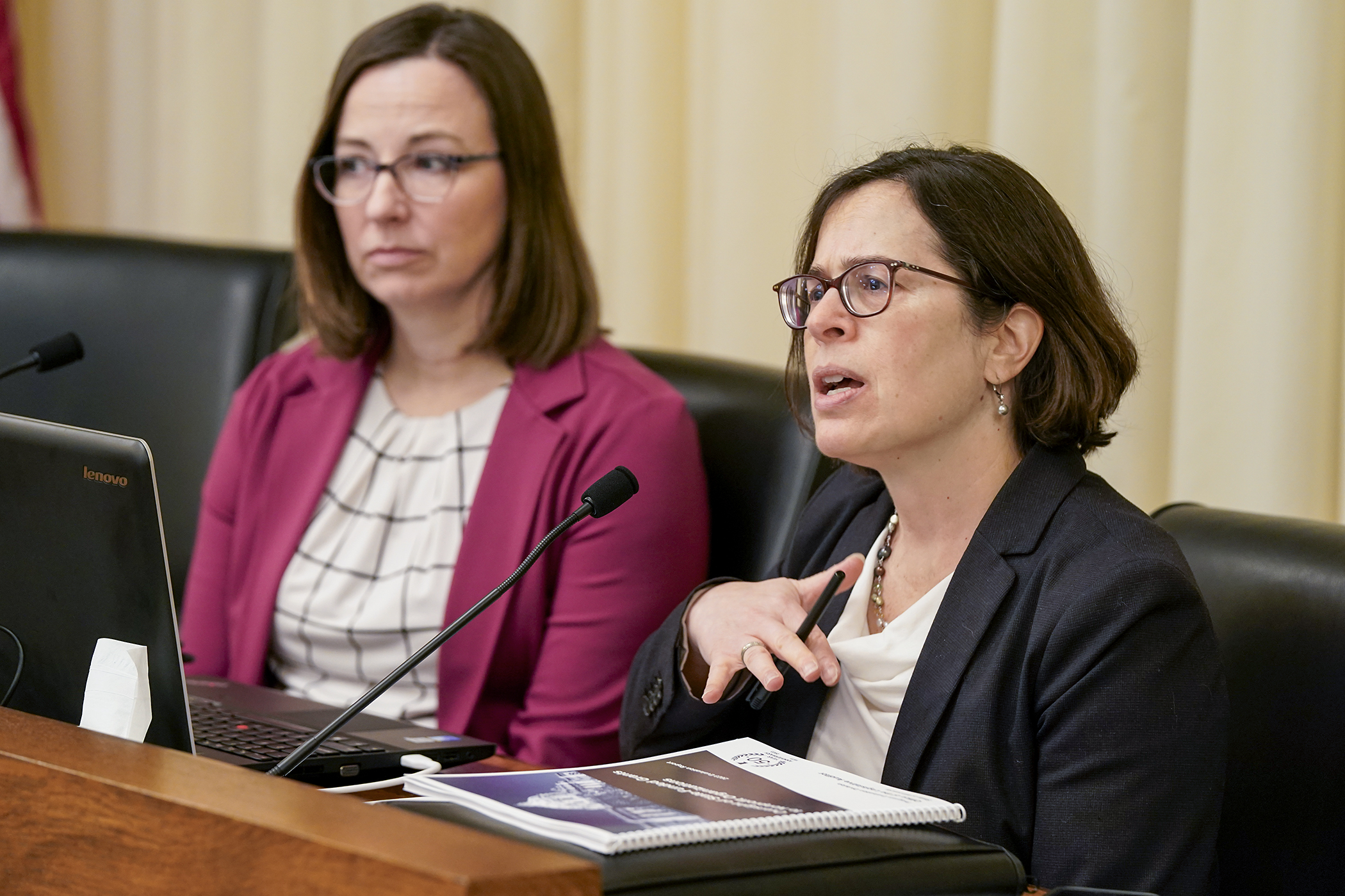
On the day testimony began at the trial of the alleged ringleader in the Feeding Our Future scandal, a new House committee began working toward better preventing state grant dollars from being inappropriately spent.
Rep. Kristin Robbins (R-Maple Grove) chairs the House Fraud Prevention and State Agency Oversight Policy Committee.
“We are currently sitting at about $610 million in fraud over the last six years in the state of Minnesota,” she said. “Not only is that an appalling waste of taxpayer’s hard-earned money, it is also an indictment of state agency’s failure to serve the people who really need services.
“The mission of this committee is to ensure taxpayer money is not going to the greedy but is going to serve the needy. … It’s our job to get to the root of these problems and put in place systems that stop fraud before it happens.”
Referencing a 2023 report, officials from the Office of the Legislative Auditor said state-funded grant expenditures to nonprofit organizations averaged $514 million between fiscal years 2018-22. Of the roughly 2,400 recipients, the average grant was $68,000.
Most recipients are on the up and up, but still nefarious results have still occurred.
In the office’s presentation, Deputy Legislative Auditor Jodi Munson Rodriguez said state agencies are not complying on purpose, but a lack of training for grant management staff and the lack of a standard statewide grant registry system are among problems encountered.
“The lack of consistency is astonishing,” said Rep. Marion Rarick (R-Maple Lake).
“Requiring them to take a very kind of base set of training modules to ensure they really understand what is required of them will help them comply in a way they want to but perhaps don’t have the information to do so,” Rodriguez said.
[MORE: Updates on implementation of evaluation and special review recommendations]
Officials from the Office of Grants Management, whose mission includes to “standardize, streamline and improve state grant-making practices” are expected before the committee at some point.
Gov. Tim Walz signed an executive order last month creating a centralized state fraud investigations unit at the Bureau of Criminal Apprehension and offered a legislative package — with a $39 million price tag in the upcoming biennium — for fraud reform that includes stronger investigation and enforcement authority, better detection and oversight, and increased criminal penalties.
Related Articles
Search Session Daily
Advanced Search OptionsPriority Dailies
Could 2026 retirements lead to record turnover in the House?
By Lisa Kaczke In the final weeks of the legislative session, House members not seeking re-election to the body have taken a turn at gaveling in a floor session.
It’s an opportunity to loo...
In the final weeks of the legislative session, House members not seeking re-election to the body have taken a turn at gaveling in a floor session.
It’s an opportunity to loo...
How short are the Legislature's short sessions?
By Lisa Kaczke Rep. Ron Kresha (R-Little Falls) was ready to end the session March 25, making the motion to adjourn sine die. But not enough of his colleagues shared that sentiment, defeating ...
