 Minnesota Legislature
Telemedicine could help more people in crises far from help
In areas with few mental health care providers, but lots of people in need, telemedicine can help meet the demand in an affordable way. But those services aren’t helping as many people as they could, due to limitations on services covered by Medical Assistance, said Jin Lee Palen, executive director of the Minnesota Association of Community Mental Health Programs.
HF1561 would expand the reach of telemedicine services by increasing the number of people who can provide those services and end a weekly limit to the number of reimbursable services each patient can receive, she told the House Health and Human Services Reform Committee Wednesday.
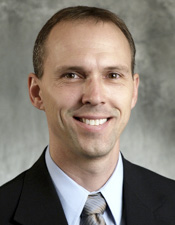
The bill, sponsored by Rep. Rod Hamilton (R-Mountain Lake), was approved as amended and referred to the House Health and Human Services Finance Committee. A companion, SF1341, sponsored by Sen. Jim Abeler (R-Anoka), awaits action by the Senate Health and Human Services Finance and Policy Committee.
Under current law, reimbursable telemedicine services can only be provided by licensed health care providers. This leaves out mental health practitioners, including graduate students in clinical training and practitioners with graduate degrees, but less than 4,000 hours of post-master’s experience. HF1561 would allow these groups to provide telehealth services under supervision.
For the Northwestern Mental Health Center in Crookston, this would mean their mental health crises response teams would finally be able to provide immediate, remote responses to people in crises in emergency rooms throughout the region. Because most the people on those teams are mental health practitioners, they have to drive hours to respond to each crisis, said CEO Shauna Reitmeier.
This leaves people in immediate need alone, without treatment, for an hour or more, and limits how many people each caregiver can assist, Reitmeier said.
Patients are also limited to three telemedicine services each week. Any other services provided remotely aren’t currently eligible for MA reimbursement, she said.
For someone recovering from a crisis, those three services could easily be eaten up in a single day. With HF1561, a person who’s far away from treatment options wouldn’t be forced to choose between updating their treatment plan, adjusting their medications, receiving stabilization services, and meeting other mental health needs, she said.
Related Articles
Search Session Daily
Advanced Search OptionsPriority Dailies
Could 2026 retirements lead to record turnover in the House?
By Lisa Kaczke In the final weeks of the legislative session, House members not seeking re-election to the body have taken a turn at gaveling in a floor session.
It’s an opportunity to loo...
In the final weeks of the legislative session, House members not seeking re-election to the body have taken a turn at gaveling in a floor session.
It’s an opportunity to loo...
How short are the Legislature's short sessions?
By Lisa Kaczke Rep. Ron Kresha (R-Little Falls) was ready to end the session March 25, making the motion to adjourn sine die. But not enough of his colleagues shared that sentiment, defeating ...
