 Minnesota Legislature
Teens could have improved access and more affordable driver education
Obtaining a driver’s license has long been seen as a rite of passage. Now it’s a passage being made by fewer teens.
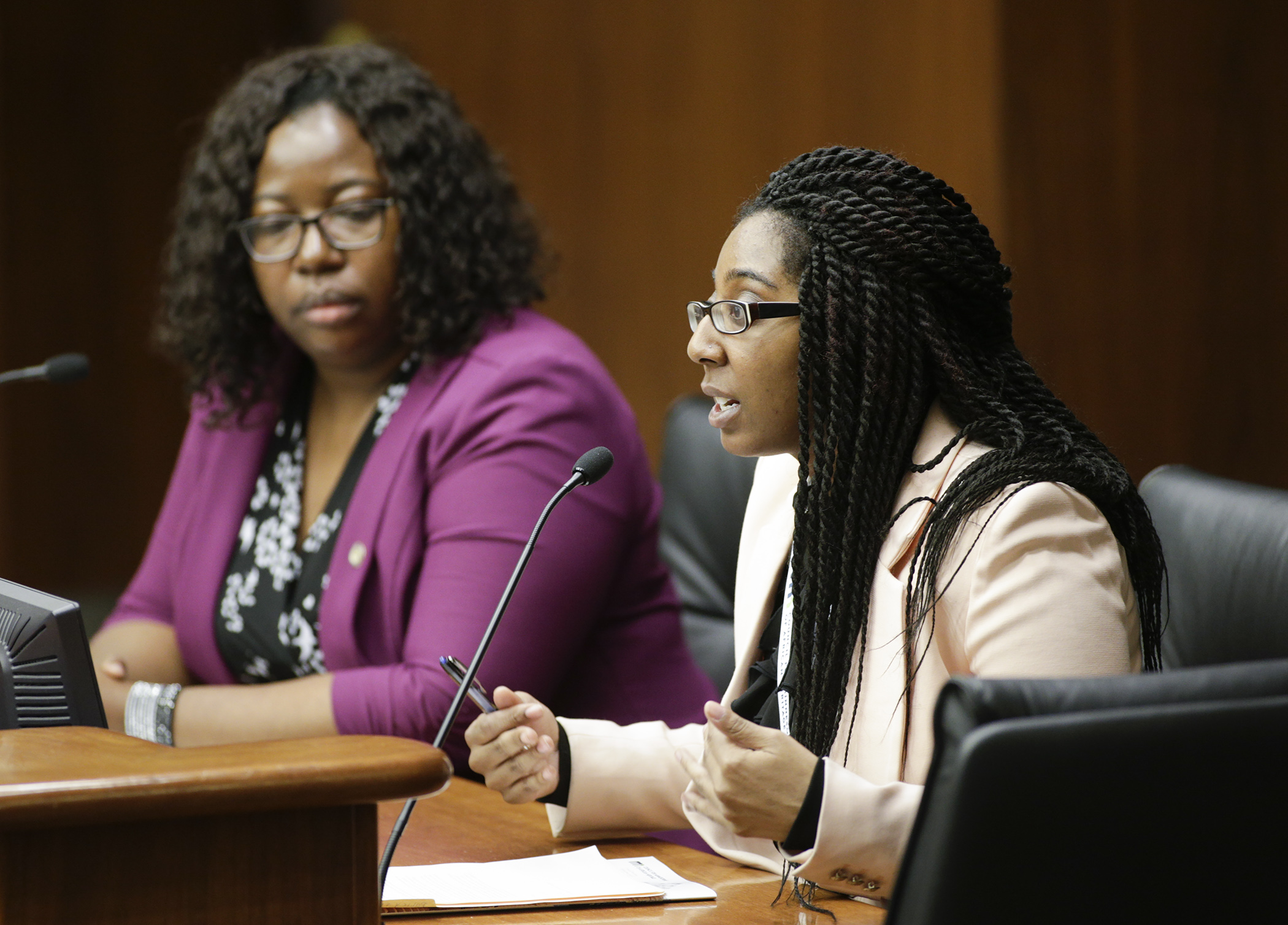
Sponsored by Rep. Ruth Richardson (DFL-Mendota Heights), HF987 would provide funding to help offset driver’s education costs for lower-income students. It would also establish a working group to study student driver education availability and recommend changes to increase access.
The bill was approved Tuesday by the House Education Policy Committee and now heads to the House Government Operations Committee. The companion, SF1405, sponsored by Sen. Matt Klein (DFL-Mendota Heights), awaits action by the Senate E-12 Finance and Policy Committee.
A survey from the AAA Foundation for Traffic Safety showed half of teens today receive their license by the age of 18, down from two-thirds of teens 20 years ago, according Richardson.
“Once upon a time, driver’s education courses were readily available to students who wanted to participate, in the public school,” she said. “Today, the burden for funding driver’s education falls onto families and it’s more readily available to those who have disposable income, who can afford to pay for the training.”
Richardson said that since the 1970s the number of students who receive their driver’s education through public schools has dropped from 95 percent to 15 percent, and it’s impacting accessibility and affordability.
Rep. Dean Urdahl (R-Grove City) asked why schools have stopped offering the courses and where they’re being taught now. Richardson said most students receive their classes through private organizations or community education programs.
Fewer districts are offering the courses because of tighter budgets, and because they must offer more required courses that are taking up the class time once used for driver’s education, said Denise Dittrich, associate director of government relations for the Minnesota School Board Association.
Jasmine Carey, legislative coordinator for the Council for Minnesotans of African Heritage, championed the proposal saying it addresses the financial burden that prevents many students from accessing driver’s education programs and, ultimately, better educational, job, extracurricular and housing opportunities.
“Public transportation is great but it’s limited, especially for those who live in Greater Minnesota,” she said. “We do a lot of outreach around the state and a lot of people that we work with in Moorhead and St. Cloud, and other areas, always talk about how public transportation is out there but it’s scarce and it prevents them from being able obtain certain jobs.”
The proposal was well received by committee members, including Rep. Hodan Hassan (DFL-Mpls) and Rep. John Huot (DFL-Rosemount) who referenced the high cost of their own children’s’ driver education courses.
Related Articles
Search Session Daily
Advanced Search OptionsPriority Dailies
Could 2026 retirements lead to record turnover in the House?
By Lisa Kaczke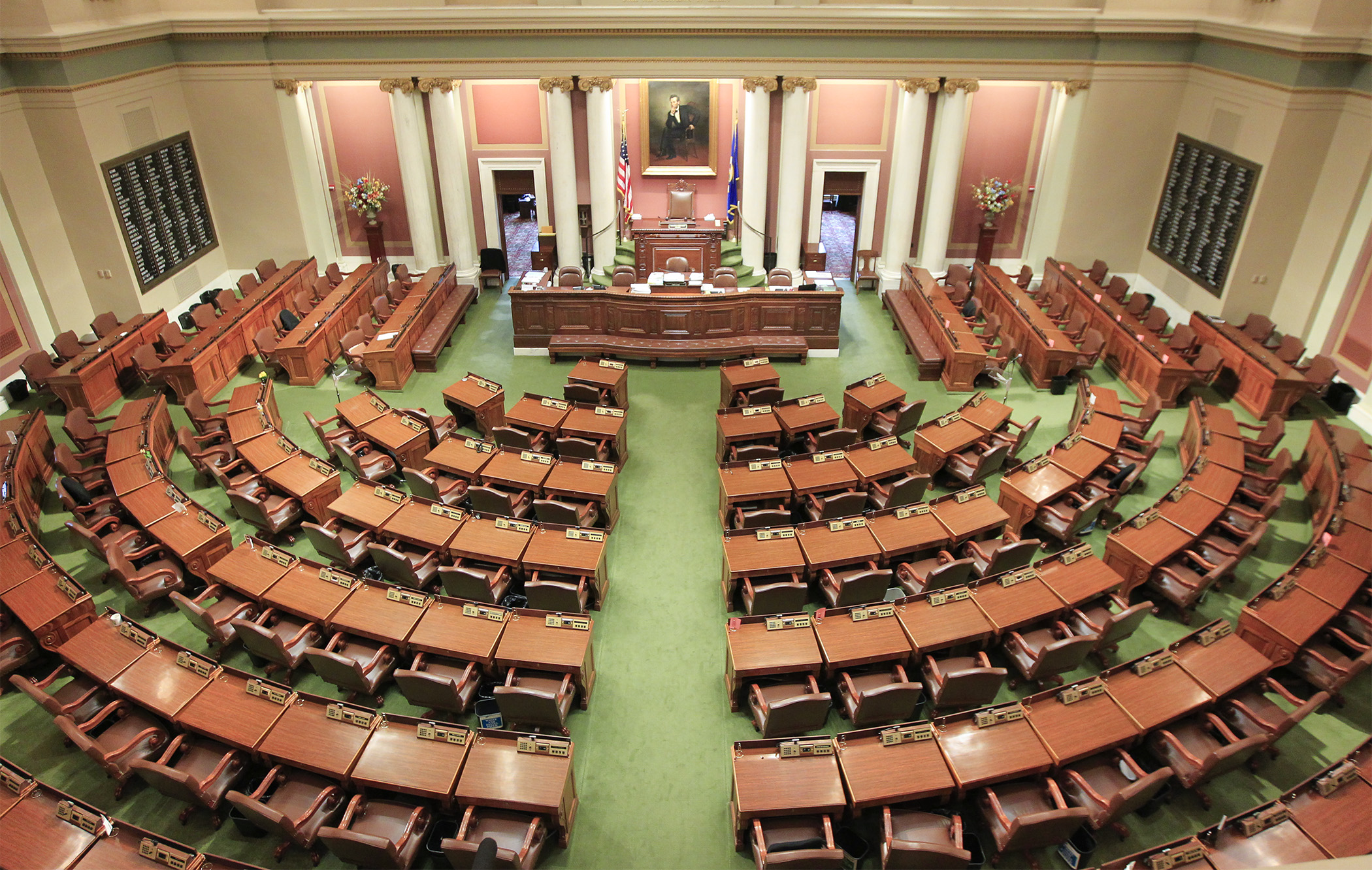 In the final weeks of the legislative session, House members not seeking re-election to the body have taken a turn at gaveling in a floor session.
It’s an opportunity to loo...
In the final weeks of the legislative session, House members not seeking re-election to the body have taken a turn at gaveling in a floor session.
It’s an opportunity to loo...
How short are the Legislature's short sessions?
By Lisa Kaczke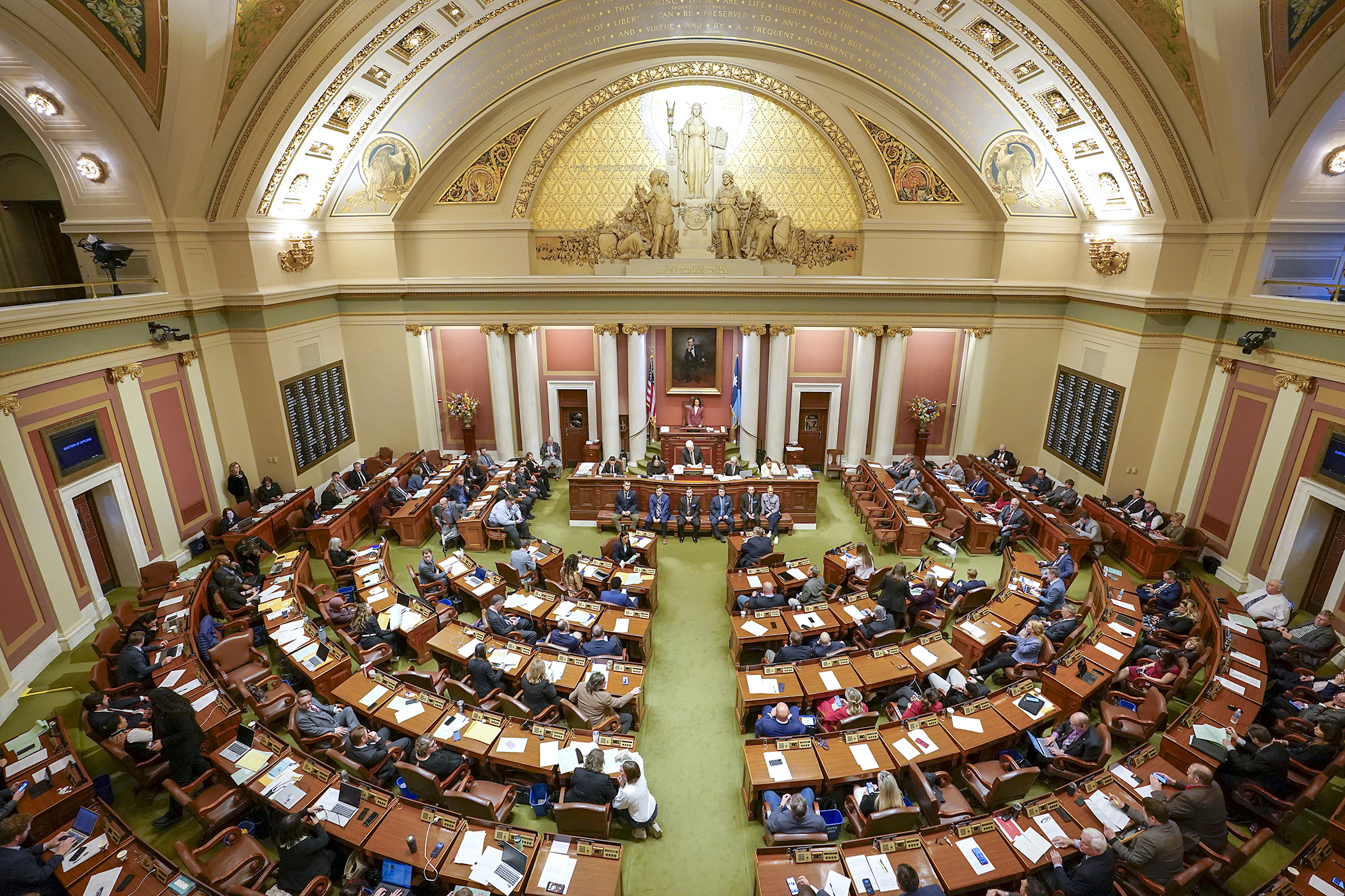 Rep. Ron Kresha (R-Little Falls) was ready to end the session March 25, making the motion to adjourn sine die. But not enough of his colleagues shared that sentiment, defeating ...
