 Minnesota Legislature
Ombudsman’s office, more corrections officers called for in omnibus bill
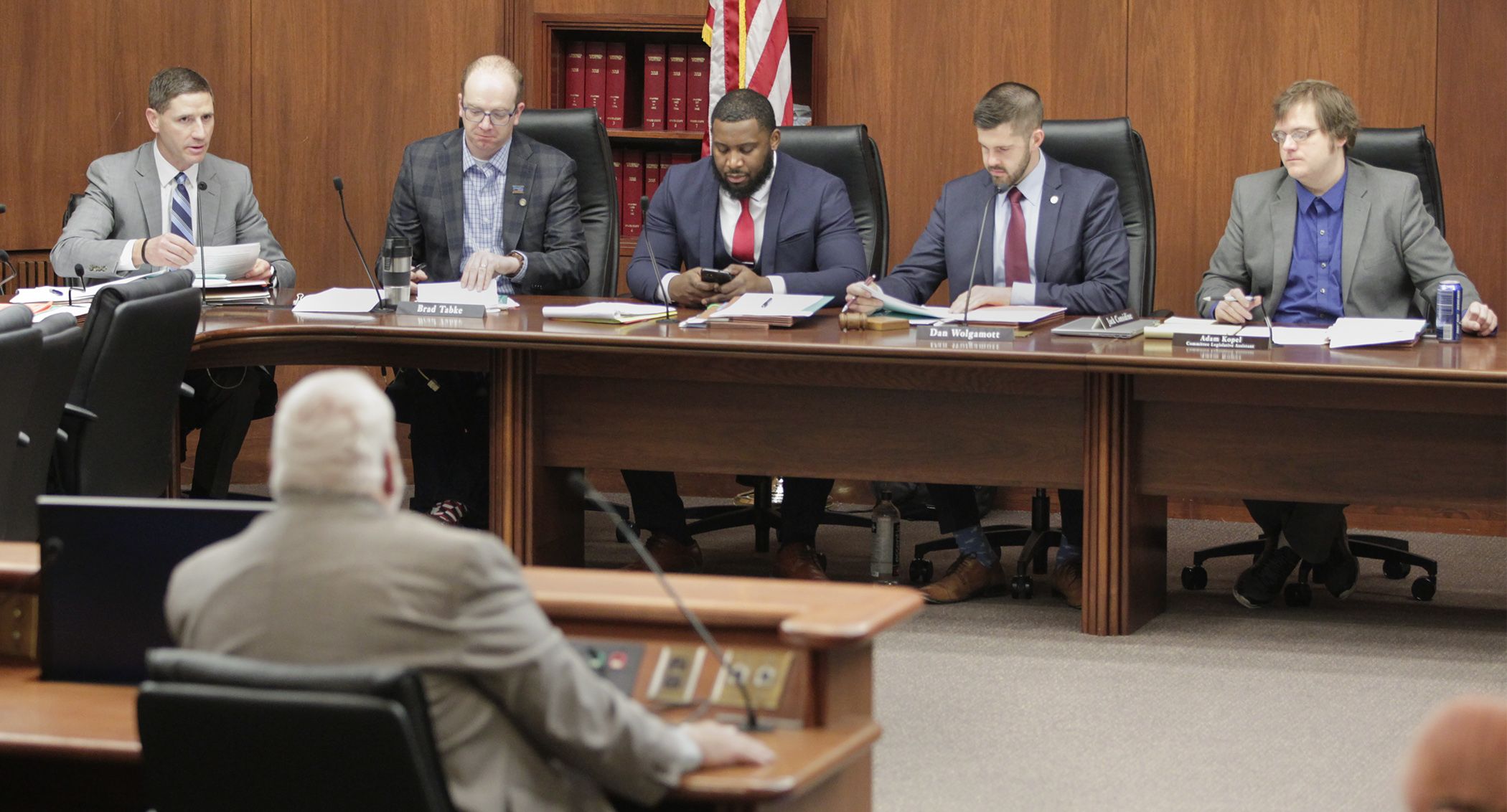
Rep. Jack Considine Jr. (DFL-Mankato) calls efforts of the House Corrections Division at crafting a proposal for inclusion in the omnibus corrections bill a pleasure.
“This has been a reasonably bipartisan effort,” he said.
Over the past few weeks, the division has worked on a proposal for an Office of Ombudsman for the Department of Corrections, as well as issues relating to security and well-being for prisoners and guards alike. A number of key pieces found their way into the delete-all amendment to HF1948, sponsored by Considine.
The amended bill was referred with full support of the division to the House Public Safety and Criminal Justice Reform Finance and Policy Division Wednesday. It has no Senate companion.
In part, it would clarify jurisdictional scope for the proposed ombudsman’s office, tasked with investigating complaints against the Department of Corrections and providing recommendations. Services would be available to adult inmates in state prisons and local jails, but not incarcerated juveniles or those in treatment facilities, according to Considine.
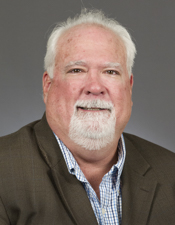
A pair of amendments to further limit the office were offered, then withdrawn, by Rep. Marion O'Neill (R-Maple Lake).
“At some point we have to land on the scope of what this will be,” O’Neill said, noting the broader the scope and powers of the office, the greater the fiscal requirements would be.
As an example, the original plan would have covered only state prison inmates, who number around 10,000. Including jails and workhouse inmates extends that focus extensively, she said.
The scope increase was derived from conversations with the National Alliance on Mental Illness. Considine said the organization informed him most complaints they received originated from jails, rather than prisons.
Adopted amendments to the delete-all amendment would raise starting pay for correctional officers and condense time required for an officer to progress through the pay scale.
“We can’t simply add space for more correctional officers if we are not able to fill the existing positions open,” said Rep. Nick Zerwas (R-Elk River). He sponsors both amendments.
Currently, there are 90 open correctional officer positions in state prisons, according to Considine.
The bill calls for adding 328 additional correctional officers by Fiscal Year 2023; however, the appropriation was left blank and will need to be determined by another committee.
Other key provisions in the bill include:
- providing for the use of non-ionizing screening use in prisons;
- providing guidelines for administrative and disciplinary segregation relating to use, review, interventions, mental health, incentives and reintegration;
- prohibiting the state from contracting with private prisons or placing inmates in a private prison;
- amending data retention removal rules relating to gang activity when the individual is an inmate;
- providing for opposite sex transport of an inmate in certain instances;
- amending correctional officer disciplinary procedures;
- providing for mental health screening of new inmates in jails and allowing limited sharing of information with social service agencies;
- requiring and providing unspecified appropriations for developing and implementing a coordinated crisis response plan; and
- providing for a competitive grant for a pilot project offering transportation of inmates’ children to the Shakopee women’s prison to visit their mothers in an effort to improve literacy and decrease the risk of recidivism.
What's in the bill?
The following are selected bills that have been incorporated in part or in whole into the omnibus corrections bill are:
Related Articles
Search Session Daily
Advanced Search OptionsPriority Dailies
Could 2026 retirements lead to record turnover in the House?
By Lisa Kaczke In the final weeks of the legislative session, House members not seeking re-election to the body have taken a turn at gaveling in a floor session.
It’s an opportunity to loo...
How short are the Legislature's short sessions?
By Lisa Kaczke Rep. Ron Kresha (R-Little Falls) was ready to end the session March 25, making the motion to adjourn sine die. But not enough of his colleagues shared that sentiment, defeating ...
