 Minnesota Legislature
Proposed alternative path to midwife certification clears House committee
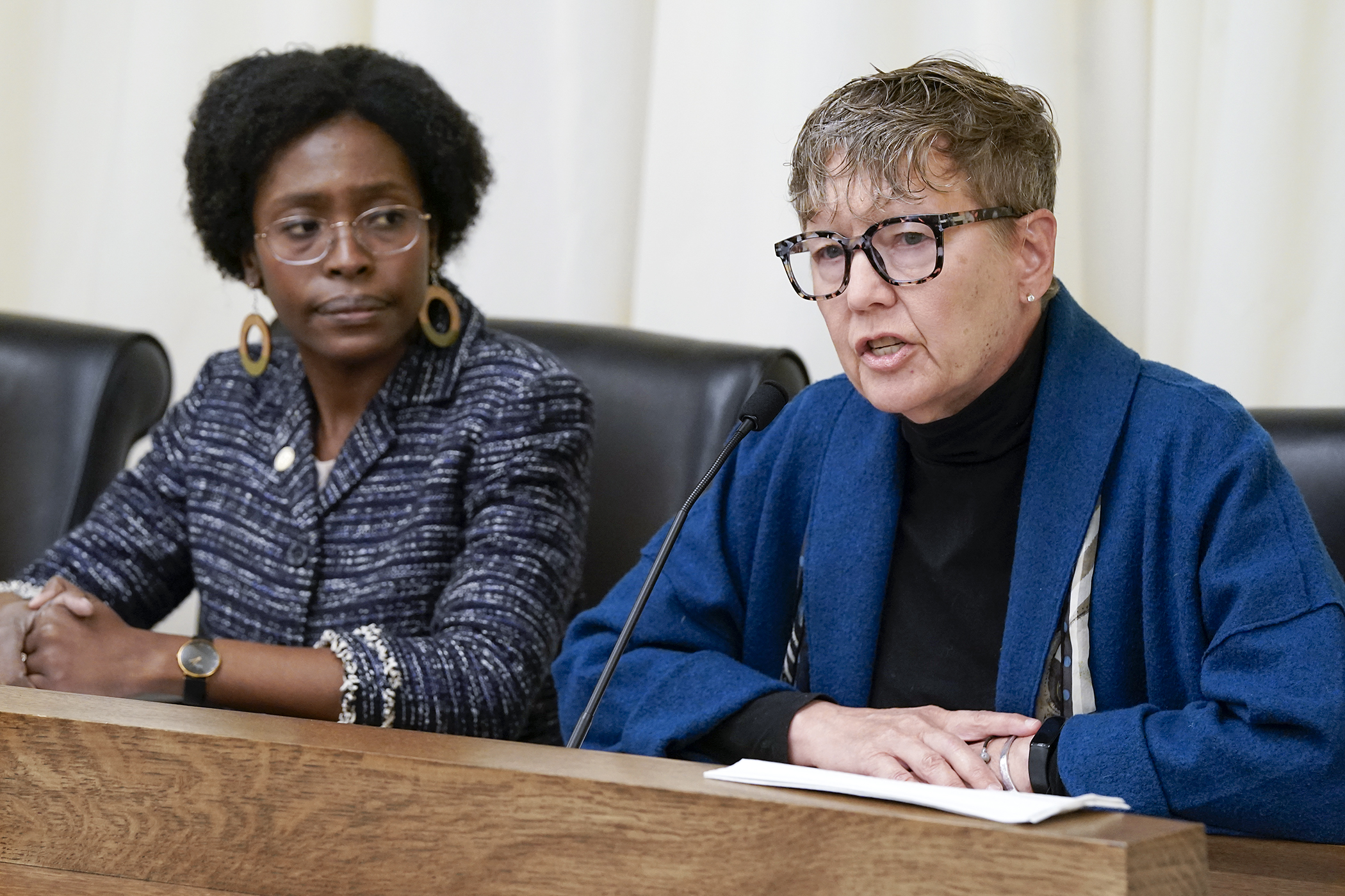
When Kylie Saari moved to Fairmont she knew she wanted to make a difference in her community.
Midwifery seemed like the perfect way to do that, especially because the local hospital was actively seeking midwives at the time. But because she first had to get a nursing degree, Saari’s path to becoming a certified midwife proved to be a long and expensive one. After the nine years required to get trained, Saari found her local hospital had closed its obstetrics department.
A bill approved by the House Health Finance and Policy Committee Wednesday proposes an alternative path to becoming a midwife, one that does not require first becoming a registered nurse. Sponsored by Rep. Esther Agbaje (DFL-Mpls), HF1010, as amended, is headed to the House Judiciary Finance and Civil Law Committee.
Aspiring midwives must now have a nursing degree, but under the bill a midwife would be certified by the Board of Nursing with the same training in midwifery, the same certification tests and the same scope of practice as nurse midwives.
Saari believes that if the nursing degree requirement had been removed during her journey, she could have become a certified midwife seven years earlier.
Bill proponents say it would increase the diversity of midwives practicing in Minnesota and alleviate enrollment pressures on registered nursing programs. Moreover, the University of Minnesota is poised to launch a new certified midwife program but is waiting until the new certification is in place.
Research supports the benefits of midwifery care, showing lower rates of cesarean sections and preterm deliveries, as well as higher breastfeeding rates compared to physician-led care. Advocates argue that expanding access to midwives could save the U.S. health care system up to $4 billion over the next decade.
However, not everyone is completely sold on proposed changes.
Though supporting the goal of training more midwives, Rep. Tina Liebling (DFL-Rochester) expressed concerns about the scope of practice for certified midwives who would not be nurses. Without previous work experience in a health care setting, a midwife with two or three years of training could set up an independent practice where they would be allowed to prescribe medication and manage a patient’s primary care.
Related Articles
Search Session Daily
Advanced Search OptionsPriority Dailies
Could 2026 retirements lead to record turnover in the House?
By Lisa Kaczke In the final weeks of the legislative session, House members not seeking re-election to the body have taken a turn at gaveling in a floor session.
It’s an opportunity to loo...
In the final weeks of the legislative session, House members not seeking re-election to the body have taken a turn at gaveling in a floor session.
It’s an opportunity to loo...
How short are the Legislature's short sessions?
By Lisa Kaczke Rep. Ron Kresha (R-Little Falls) was ready to end the session March 25, making the motion to adjourn sine die. But not enough of his colleagues shared that sentiment, defeating ...
