 Minnesota Legislature
Panel hears bill to ban AI denials of health insurance prior authorizations
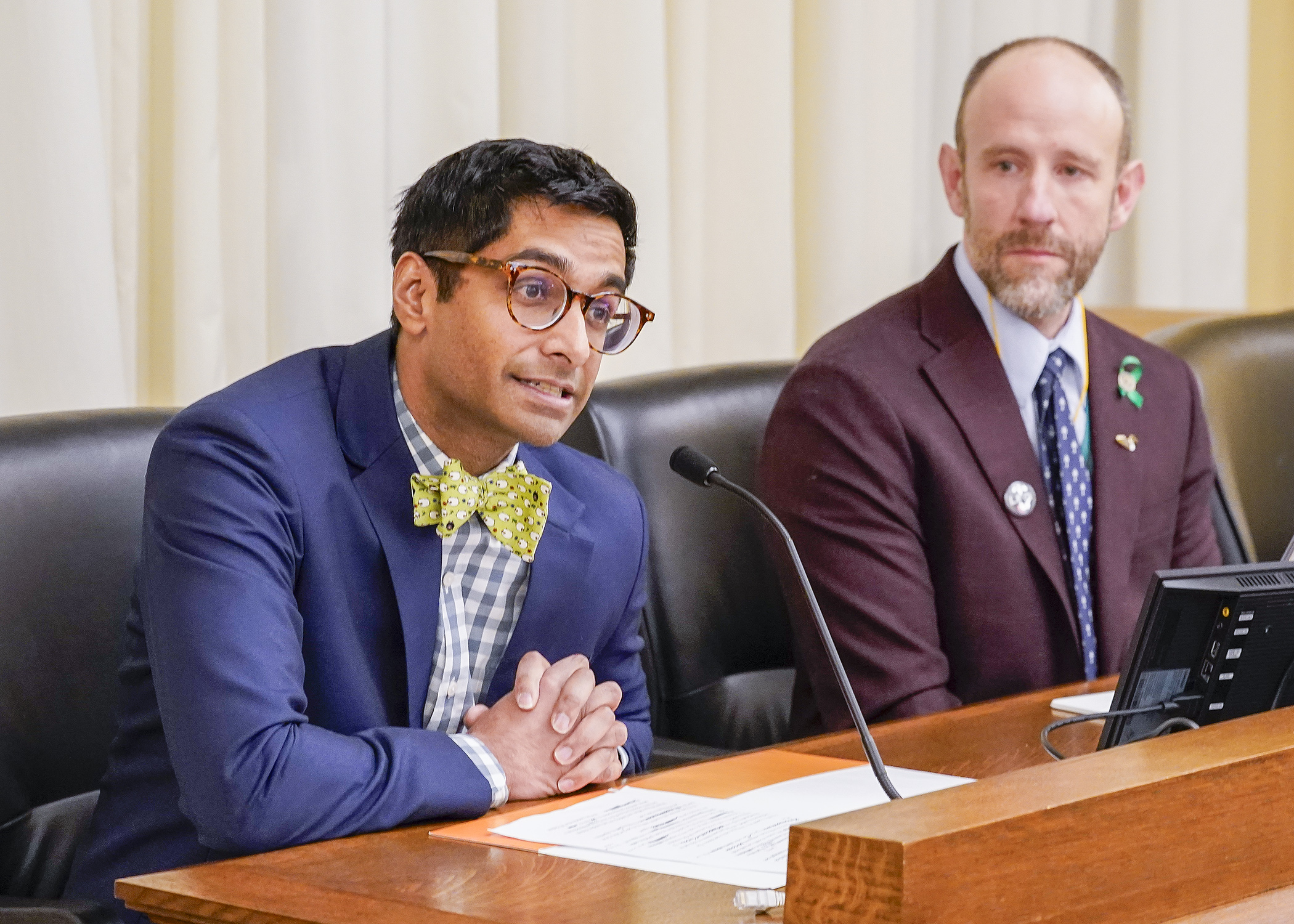
Rep. Alex Falconer (DFL-Eden Prairie) doesn’t view artificial intelligence technology as an inherently bad tool, but there are human ramifications when a health insurance provider uses it to deny a prior authorization request to maximize its profits.
He pointed to a lawsuit against UnitedHealth Group that alleges the company used AI instead of medical professionals to evaluate and deny claims to create a financial windfall, which worsened patients’ health, a claim that the company is denying in the court case.
“Health care is not just a business. It’s a deeply human endeavor. The decisions made about patient care, treatments and interventions impact real lives,” Falconer said. “Relying on algorithms to dictate who receives care can strip away the nuanced understanding that medical professionals bring to the table, an understanding that goes beyond mere data points.”
He sponsors HF2500 that, as amended, would prohibit a carrier issuing a health plan from using AI to make an adverse determination to deny a prior authorization request. If passed, it would apply to health plans offered, issued or renewed on or after Jan. 1, 2027.
The House Commerce Finance and Policy Committee laid the bill over Thursday for possible omnibus bill inclusion.
The Minnesota Medical Association is in “strong support” of the bill, said Chad Fahning, its senior manager of lobbying and legislative affairs.
“It is our position that if there is an adverse determination, that decision should be made by a reviewing health provider of a same or similar specialty, not a computer denying or delaying care based on an algorithm,” he said.
Data shows that patients consider prior authorization as the top barrier to receiving medical care, he said. Additionally, physicians say prior authorizations delay necessary patient care and those delays can often lead to patients ending their treatment entirely.
AI is a “promising technology” that can accelerate administrative processes, said Dan Endreson, senior director of policy and government affairs with the Minnesota Council of Health Plans, whose members are nonprofit health insurers.
“Everyone in the health care space is using AI. It’s not just health insurers. It’s health providers, hospitals, drug companies, device manufacturers,” he said.
But like other forms of technology, there’s a limit to AI and it doesn’t replace humans in certain situations, including in adverse determinations, he said, adding that for Minnesota Council of Health Plans’ members, a licensed provider is the one making the determination as required by state law.
He understands there’s concern about how AI will be used as technology advances. The organization appreciates the bill limiting the AI prohibition to only denials of prior authorization requests.
“This will allow health plans to continue to use this technology to speed our approval process. We’re using this technology to get us to a ‘yes’ as fast as possible and not to a ‘no,’” he said.
Related Articles
Search Session Daily
Advanced Search OptionsPriority Dailies
Could 2026 retirements lead to record turnover in the House?
By Lisa Kaczke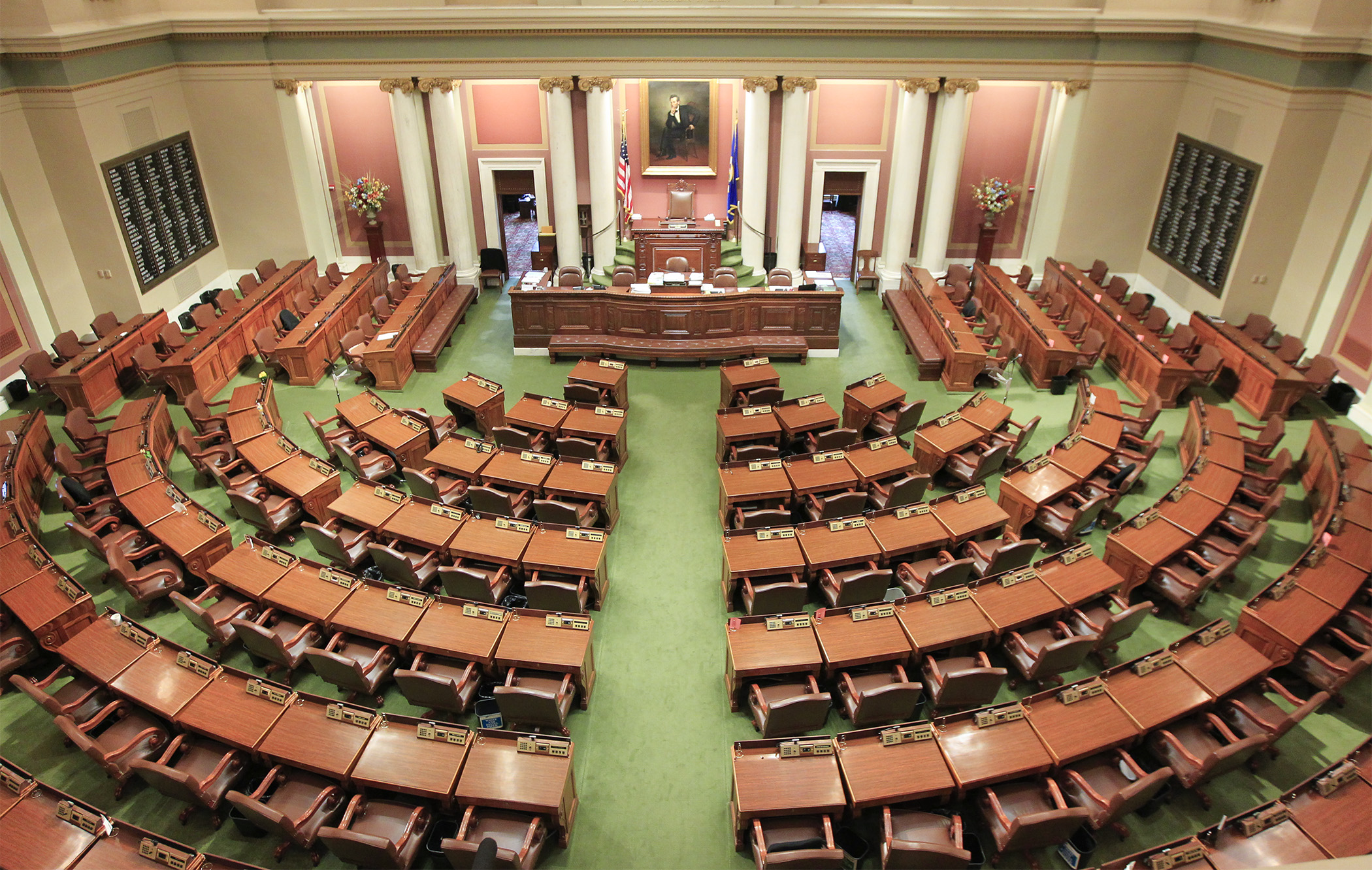 In the final weeks of the legislative session, House members not seeking re-election to the body have taken a turn at gaveling in a floor session.
It’s an opportunity to loo...
In the final weeks of the legislative session, House members not seeking re-election to the body have taken a turn at gaveling in a floor session.
It’s an opportunity to loo...
How short are the Legislature's short sessions?
By Lisa Kaczke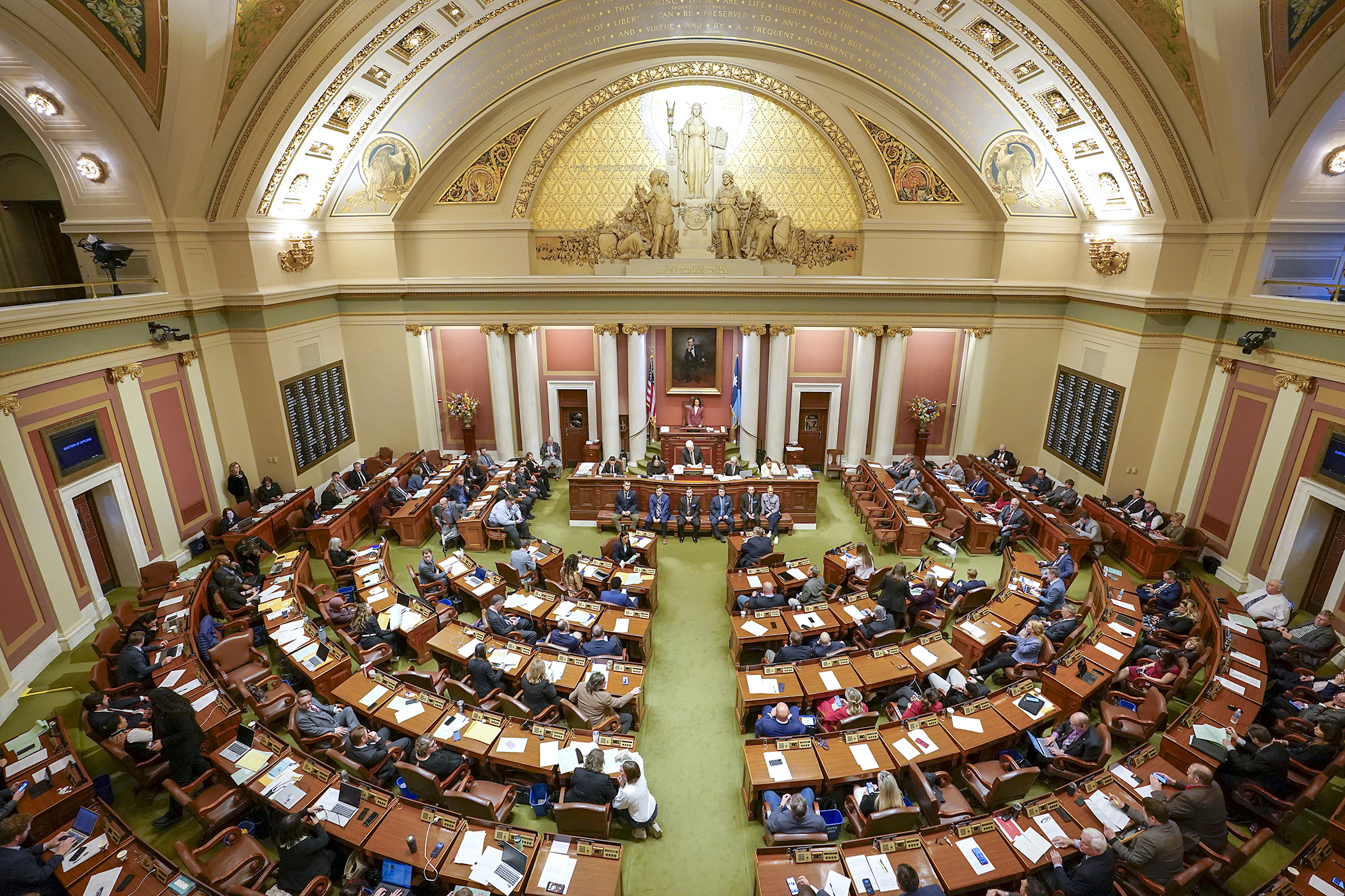 Rep. Ron Kresha (R-Little Falls) was ready to end the session March 25, making the motion to adjourn sine die. But not enough of his colleagues shared that sentiment, defeating ...
