 Minnesota Legislature
Vehicle registration tax cut bill crashes in committee
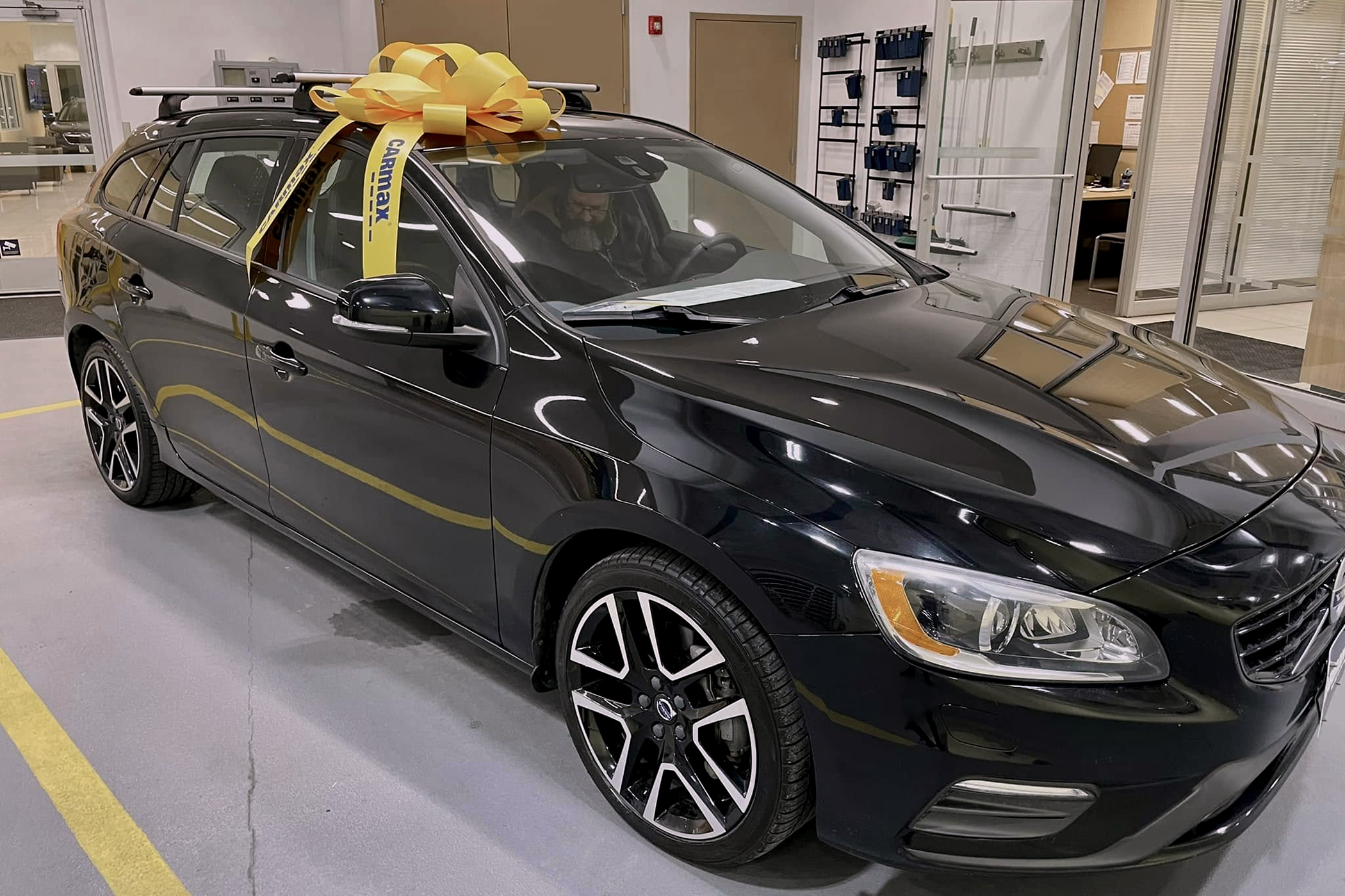
Rep. Patti Anderson (R-Dellwood) wants to make it cheaper to drive in Minnesota. Perhaps a motor vehicle registration tax reduction would help.
That’s the focus of HF3562, an Anderson-sponsored bill that would change the state’s tax calculation formula for vehicle purchases and registration.
On Wednesday, the bill, as amended, couldn’t get started in the House Transportation Finance and Policy Committee, failing on a tie vote.
Anderson spoke of the “sticker shock” many vehicle owners experience after changes made in 2023.
“By increasing tab fees 22% and changing the depreciation schedule, we have made things incredibly unaffordable for people in Minnesota. This bill brings the depreciation schedule back to what it was. … If we are serious about making Minnesota affordable, this is something that we should be serious about doing.”
In addition to lowering the base rate from 1.575% to 1.285% of the manufacturer’s suggested retail price — or from 1.54% to 1.25% for vehicles registered in the state before Nov. 16, 2020 — it would also create a devaluation schedule that sets out declining portions of the base rate as the vehicle ages, effective for registration periods starting Jan. 1, 2027.
A fiscal note from the Legislative Budget Office estimates the change would reduce dedicated funds for transportation by $159.2 million in Fiscal Year 2027 and $732.1 million in the next biennium. The adopted amendment would transfer that money to transportation funds from the General Fund.
The committee’s co-chair, Rep. Jon Koznick (R-Lakeville), did not permit testimony on the bill, but the committee did receive seven letters about it, six in opposition, mostly due to its predicted effect on state transportation funding. One was from Transportation Commissioner Nancy Daubenberger.
“Between 2023 and 2042, the Minnesota Department of Transportation estimates there will be $36.7 billion in available revenues to address $52-$57 billion in identified transportation needs on the state trunk highway system, resulting in a funding gap of approximately $15-$20 billion,” she wrote. “If the Legislature enacts the reductions in planned transportation investments in House File 3562, pavement and bridge conditions will suffer.”
It was a theme echoed by DFL committee members.
“You’re blowing almost a billion-dollar budget hole in our General Fund with absolutely no plan to replace that,” said Rep. Erin Koegel (DFL-Spring Lake Park). “We’re talking about making our roads and bridges safe and drivable. … This is not serious. This is just for talking points.”
But Rep. Marj Fogelman (R-Fulda) said the bill’s aims resonate with her.
“We have a small business, and I can tell you that our taxes on our vehicles have gone from about $5,000 a year to $8,000 a year. And these are not new vehicles by any means.”
Committee Co-Chair Rep. Brad Tabke (DFL-Shakopee) agrees with Anderson about one thing.
“Tab fees are way too high,” he said. “It’s not what we would want it to be. And we have a massive gap in maintaining one of the largest roadway systems in the world. This is one of the ways that was able to fill that gap.
“Everyone in this room and everyone who ends up voting for this knows that this is a disingenuous, non-workable, problematic bill for how we would fund transportation in the state of Minnesota.”
Related Articles
Search Session Daily
Advanced Search OptionsPriority Dailies
Could 2026 retirements lead to record turnover in the House?
By Lisa Kaczke In the final weeks of the legislative session, House members not seeking re-election to the body have taken a turn at gaveling in a floor session.
It’s an opportunity to loo...
In the final weeks of the legislative session, House members not seeking re-election to the body have taken a turn at gaveling in a floor session.
It’s an opportunity to loo...
How short are the Legislature's short sessions?
By Lisa Kaczke Rep. Ron Kresha (R-Little Falls) was ready to end the session March 25, making the motion to adjourn sine die. But not enough of his colleagues shared that sentiment, defeating ...
