 Minnesota Legislature
Pass-through entity extension fails in taxes committee
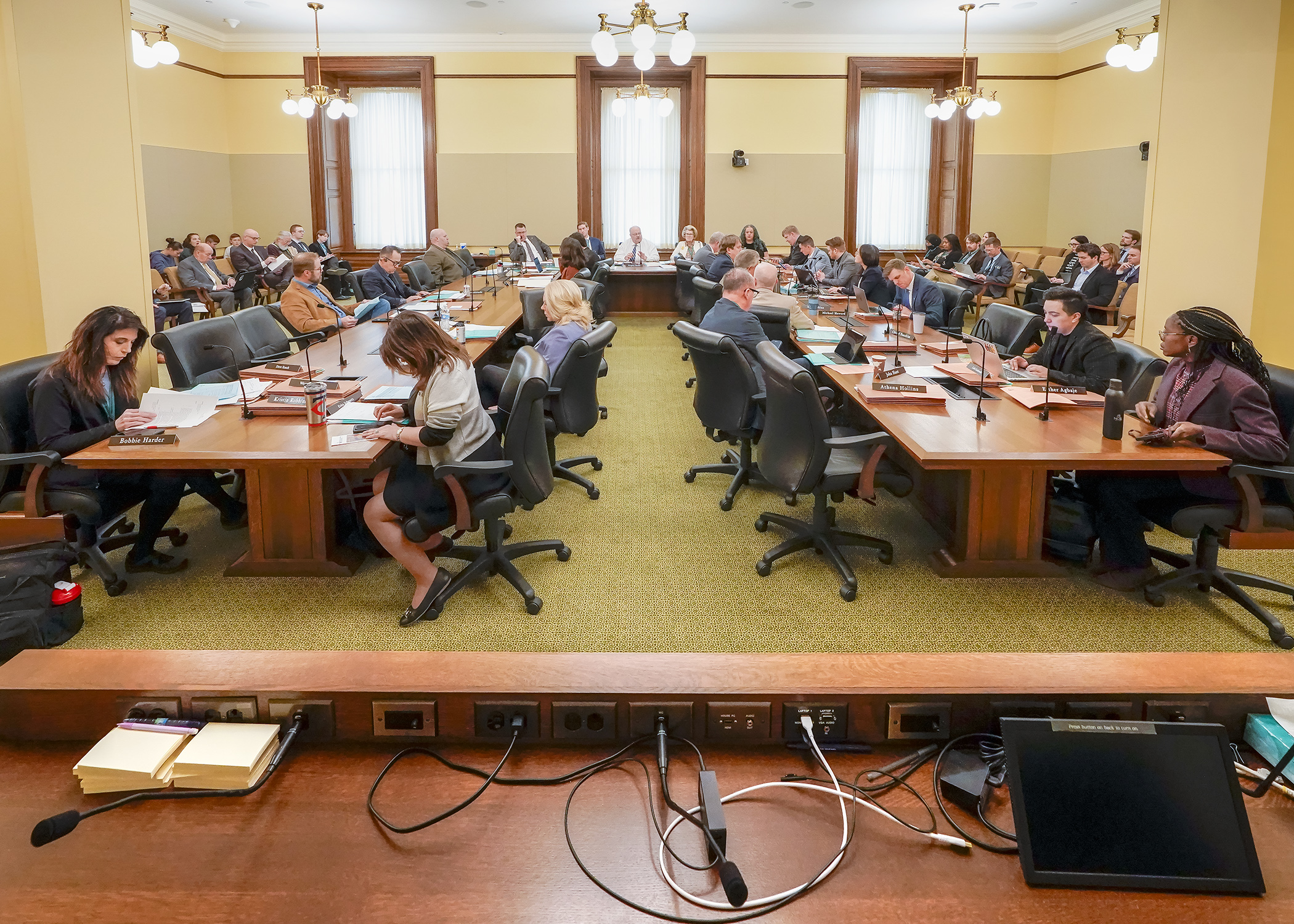
So what’s a “pass-through entity tax,” and why did it cause such a kerfuffle in Wednesday’s meeting of the House Taxes Committee?
Well, by declaring themselves a “pass-through entity,” a small business pays no income tax on its own, instead having all profits and losses flow to the personal income tax returns of the owners or shareholders, where they’re taxed once at individual rates. But, to make that happen, your state must have a pass-through entity tax.
Minnesota’s expired at the end of 2025.
Sponsored by Rep. Greg Davids (R-Preston), HF3127 would re-enact the state’s pass-through entity tax, which would equal the sum of the tax liability of each qualifying owner. The bill would also extend the tax’s expiration date through tax year 2027 and extend the sunset on a credit for pass-through entity taxes paid to another state.
Those businesses are coming up on a tax filing deadline of March 15 to determine the details of their returns for tax year 2025 and how they should move forward tax-wise for 2026.
But Davids’ co-chair of the House Taxes Committee, Rep. Aisha Gomez (DFL-Mpls), expressed concern at Davids’ motion to send the bill directly to the House Floor, saying that left the bill open to amendments and that there had been no agreement with the Senate on common language for such a bill.
“I don’t believe this is a serious effort,” Gomez said.
After some parliamentary confusion, the committee deadlocked along party lines, so the bill, as amended, was laid over.
“This is billions of dollars that could stay in Minnesota instead of sending it to the federal government,” Davids said. “Call your (certified public accountants) and they’ll tell you how important this is.”
One Republican, Rep. Patti Anderson (R-Dellwood), assured Gomez that she would not support any amendments to the bill on the House Floor.
Rep. Cheryl Youakim (DFL-Hopkins) asked Davids why the committee wasn’t keeping with past practice by including the legislation as part of a “conformity bill” that would bring the state’s tax code into alignment with recent changes at the federal level. Davids said that he sees the pass-through entity tax as a separate issue from conformity.
According to the Revenue Department, about $2.05 billion in pass-through entity tax credits were claimed on 66,300 returns in 2024 and that a similar number of returns would be expected in tax year 2026.
Related Articles
Search Session Daily
Advanced Search OptionsPriority Dailies
Could 2026 retirements lead to record turnover in the House?
By Lisa Kaczke In the final weeks of the legislative session, House members not seeking re-election to the body have taken a turn at gaveling in a floor session.
It’s an opportunity to loo...
In the final weeks of the legislative session, House members not seeking re-election to the body have taken a turn at gaveling in a floor session.
It’s an opportunity to loo...
How short are the Legislature's short sessions?
By Lisa Kaczke Rep. Ron Kresha (R-Little Falls) was ready to end the session March 25, making the motion to adjourn sine die. But not enough of his colleagues shared that sentiment, defeating ...
