 Minnesota Legislature
Bill targeting ‘stay or pay’ provisions meets committee roadblock
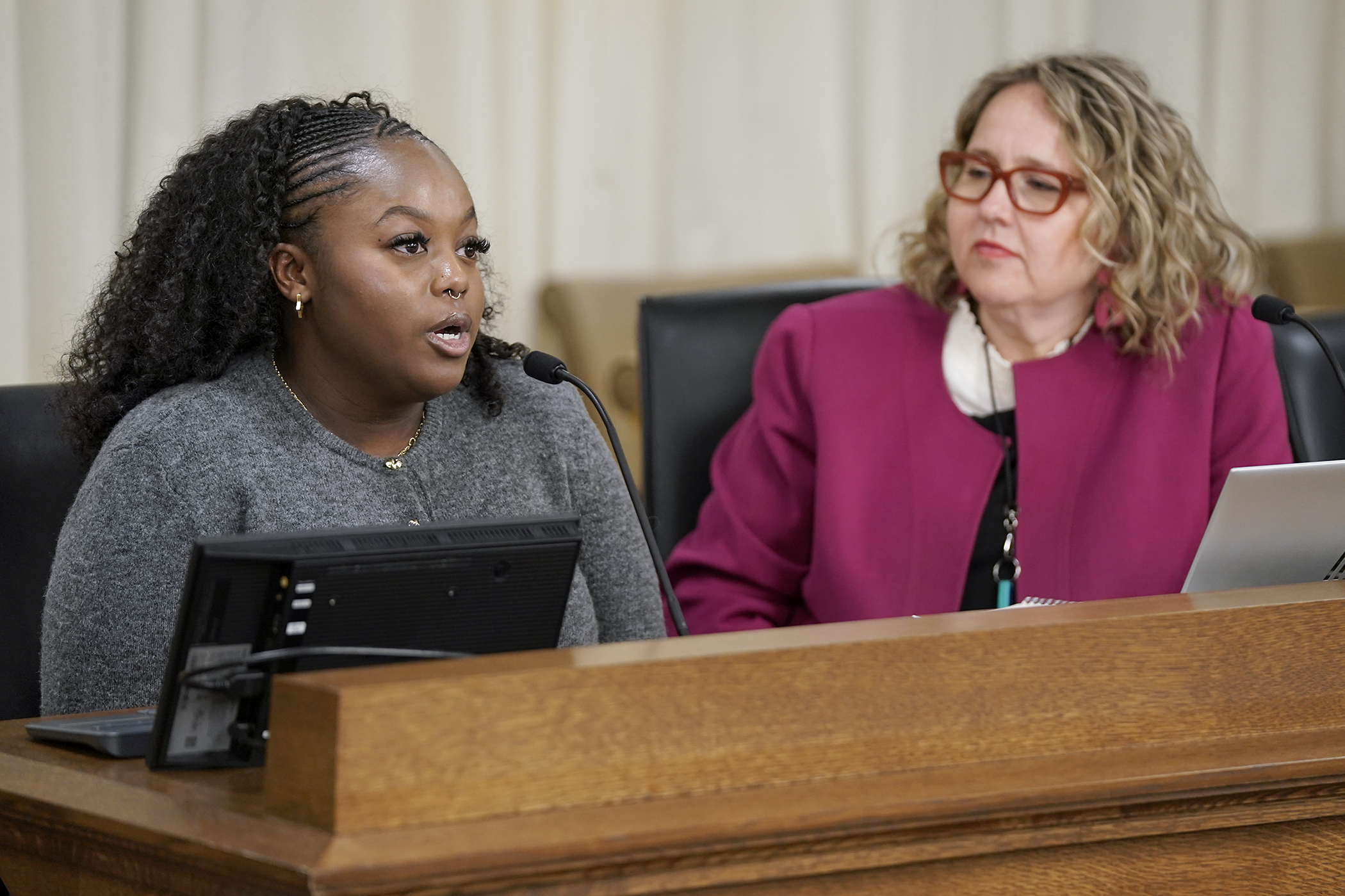
Hanna Ford paid $2,000 out of her own pocket to become a state-certified lash technician, qualifications she used to get work at a studio.
Feeling like she wasn’t making very much money and didn’t see a path for advancement, she decided to part ways with the studio. After trying to move to a better-paying job, Ford was shocked to be billed $3,000 for “training” that mostly meant sending photos up an email chain in New Jersey.
Stories like Ford’s are central to a push by Rep. Emma Greenman (DFL–Mpls) to ban stay-or-pay provisions, which require a person to pay a fee when leaving their job before a specified time, usually a year or two. Several states, including California, Colorado and New York, prohibit the practice.
Greenman, who sponsors HF2567, says the provisions function as a form of modern indentured servitude. Bill critics, however, say it will disincentivize businesses from investing in their workforce.
The twice amended bill would make such provisions unenforceable with certain exceptions for apprenticeships or other transferable credentials. Those exceptions would have to be in a separate contract, the repayment amount would have to be specified, and prorated repayment would be allowed. Repayments would not be required if the employee is fired without cause.
The bill failed to advance out of the House Workforce, Labor, and Economic Development Finance and Policy Committee Wednesday on a 7-7 party-line vote.
Greenman said stay-or-pay provisions reflect a power imbalance, especially in onboarding lower-wage employees, who might be asked to sign 14- or 15-page employment contracts with no time to review or consult. She said penalties for leaving a job early can reach thousands of dollars and are often decided at the discretion of an employer.
[MORE: Investigation by the Student Borrower Protection Center, letters]
Greenman also pointed to increasingly consolidated labor markets — such as hospital systems that dominate nursing employment — as giving employers even more leverage to impose these terms and prevent people from taking advantage of a strong labor market to improve working conditions or find other employment.
Business groups counter that, when used responsibly, these provisions are voluntary and valuable tools that help employers attract, retain and upskill their workforce. Eliminating them would stifle innovative ways employers use to address talent shortages such as student sponsorships, tuition support or industry specific training, wrote Cale Dunwoody, vice president of public policy of the Fargo Moorhead West Fargo Chamber of Commerce, adding that it would be especially detrimental to border communities.
Rep. Dave Baker (R-Willmar) asked if the ban would apply to National Guard policies, later saying he couldn’t support the bill. “This is going to hurt many more people than it will help. Overall, this will not help employers to invest in promising people.”
Related Articles
Search Session Daily
Advanced Search OptionsPriority Dailies
Could 2026 retirements lead to record turnover in the House?
By Lisa Kaczke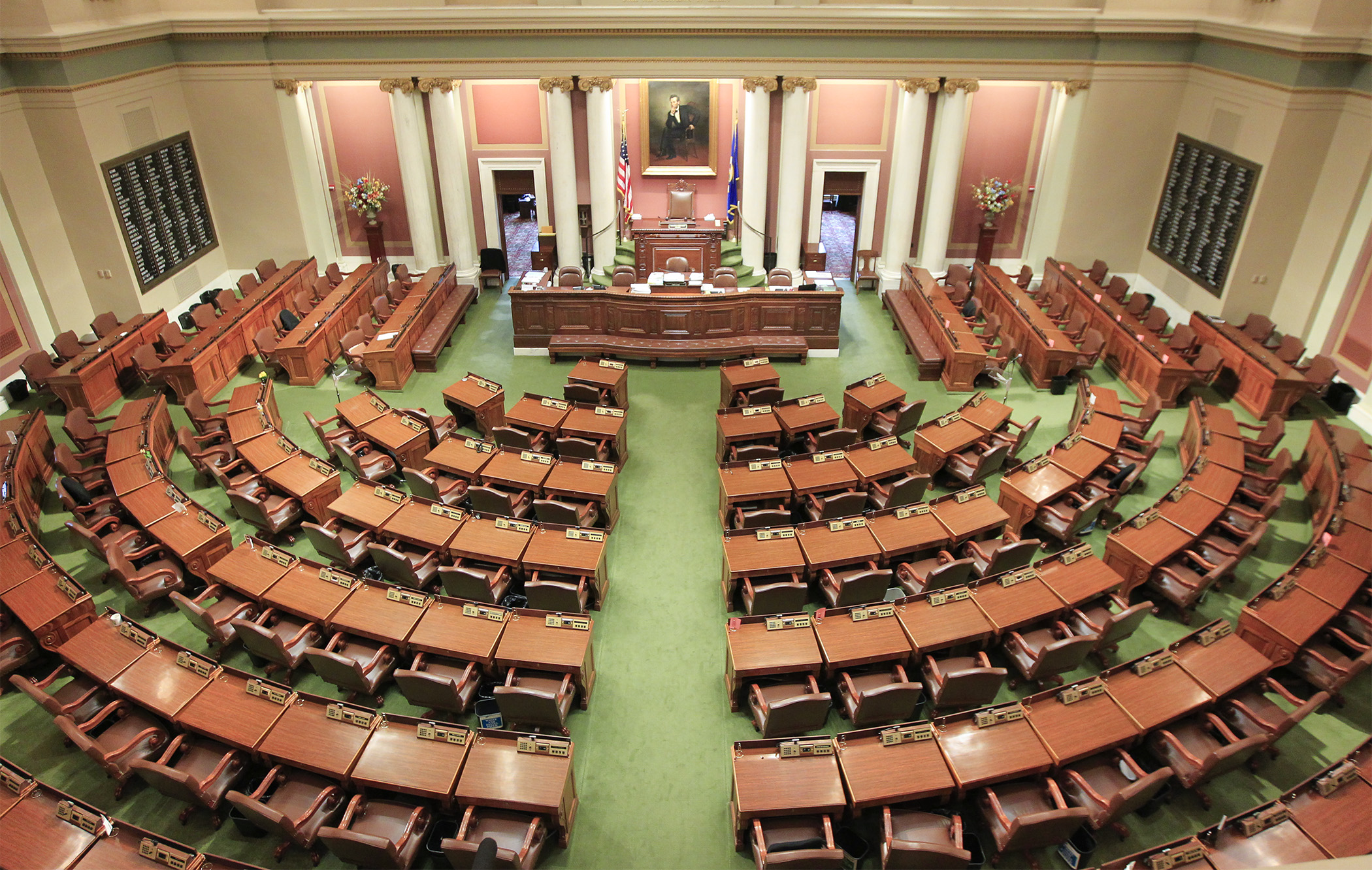 In the final weeks of the legislative session, House members not seeking re-election to the body have taken a turn at gaveling in a floor session.
It’s an opportunity to loo...
In the final weeks of the legislative session, House members not seeking re-election to the body have taken a turn at gaveling in a floor session.
It’s an opportunity to loo...
How short are the Legislature's short sessions?
By Lisa Kaczke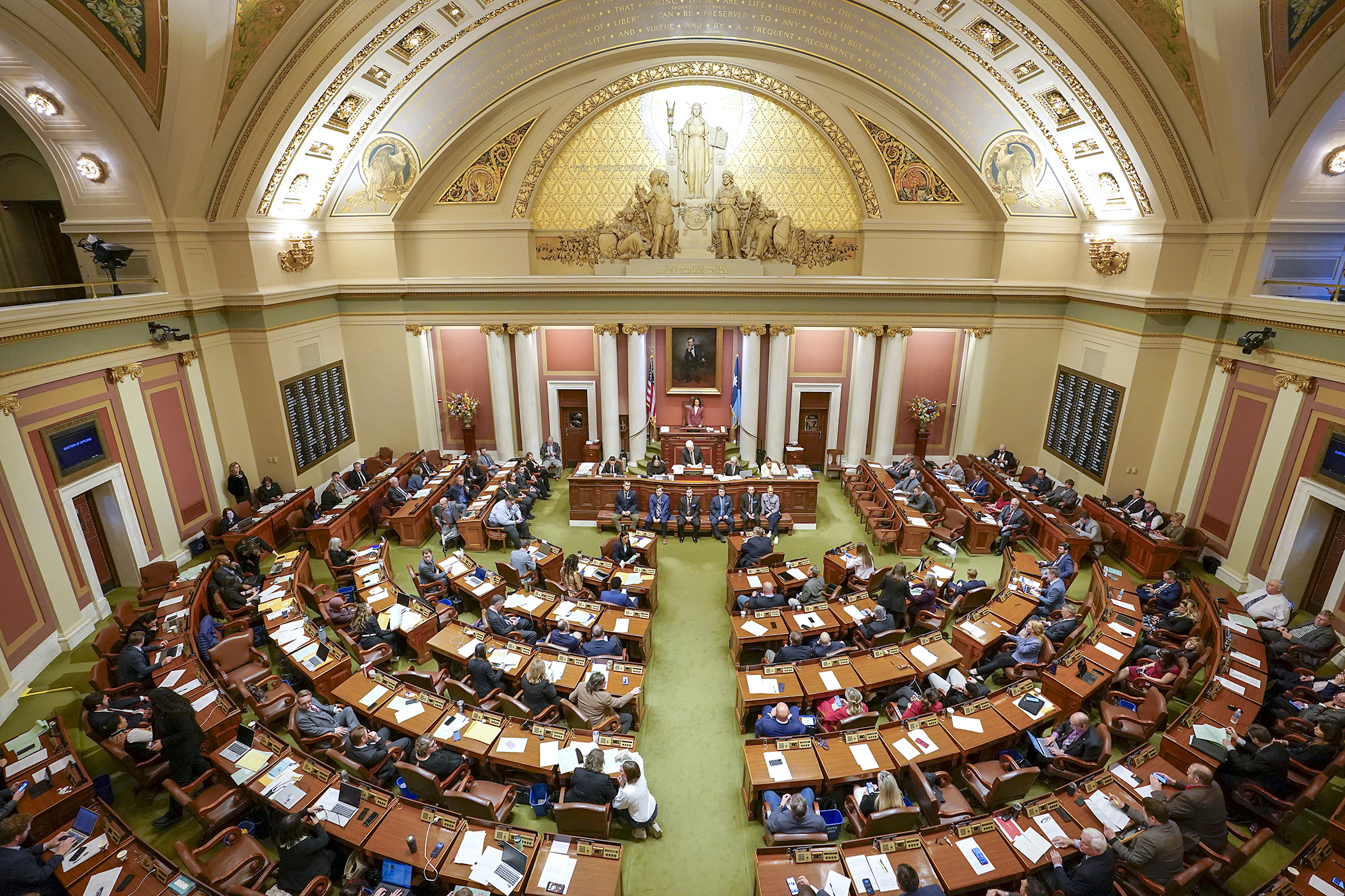 Rep. Ron Kresha (R-Little Falls) was ready to end the session March 25, making the motion to adjourn sine die. But not enough of his colleagues shared that sentiment, defeating ...
