 Minnesota Legislature
Panel advances bill to regulate ‘deeply problematic’ AI in psychotherapy
Artificial intelligence is everywhere, and society is grappling with where and how its risks outweigh the benefits.
Is there a role for AI systems to replace the personal one-on-one interaction between a psychotherapist and a patient?
Rep. Peggy Scott (R-Andover) says no to what she said is a “deeply problematic” trend.
She sponsors HF3893 to prohibit a licensed professional psychotherapist from using AI to make therapeutic decisions, for therapeutic communications, and other purposes.
“This therapy needs to be provided by an educated, trained, and licensed mental health professional, not a chatbot,” said Scott, co-chair of the House Judiciary Finance and Civil Law Committee.
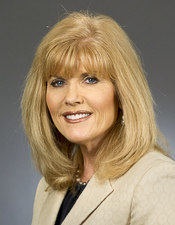
Approved, as amended, Tuesday, the bill’s next stop is the House Commerce Finance and Policy Committee.
A licensed professional could use AI systems to assist with administrative or supplementary support, if they take full responsibility for interactions, outputs, and data use associated with the system.
If a licensed professional uses a chatbot to communicate with a client, the chatbot, per the bill, must advise the client to consult with a family member, friend, or licensed professional if the client communicates mental health thoughts, feelings, symptoms, or a diagnosis, or thoughts of self-harm or harm to others.
Dr. Steve Girardeau, co-chair of the Minnesota Psychological Association’s Legislative Committee, supports the bill but worries the notification requirement is a disservice to men because they do not often explicitly state they have suicidal thoughts. He said it should be broadened to include a client making any mention of depression or anxiety.
“I actually think this bill gives too much to big tech,” said Rep. Tina Liebling (DFL-Rochester), a judiciary committee co-chair.
Even making an appointment with an AI chatbot can reveal too much personal data, she said, and that raises serious data privacy concerns.
The bill would not apply to religious counseling, peer support, or self-help materials and educational resources available to the public that do not offer therapy or psychotherapy services.
Related Articles
Search Session Daily
Advanced Search OptionsPriority Dailies
Could 2026 retirements lead to record turnover in the House?
By Lisa Kaczke In the final weeks of the legislative session, House members not seeking re-election to the body have taken a turn at gaveling in a floor session.
It’s an opportunity to loo...
In the final weeks of the legislative session, House members not seeking re-election to the body have taken a turn at gaveling in a floor session.
It’s an opportunity to loo...
How short are the Legislature's short sessions?
By Lisa Kaczke Rep. Ron Kresha (R-Little Falls) was ready to end the session March 25, making the motion to adjourn sine die. But not enough of his colleagues shared that sentiment, defeating ...
