 Minnesota Legislature
Minnesota lawmakers move toward Medicaid work requirements under pressure of federal cuts
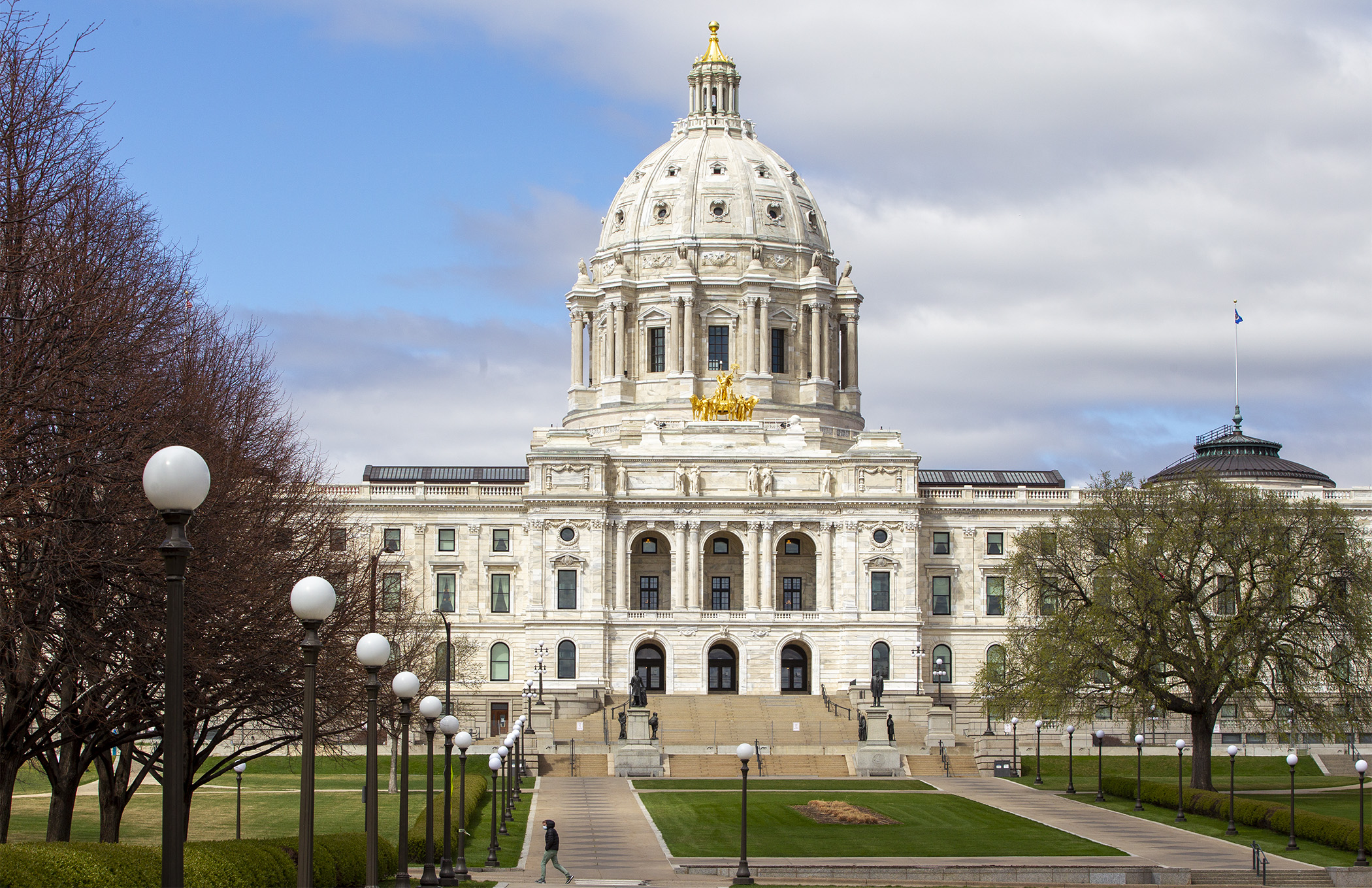
New rules in the federal “Big Beautiful Bill” add work or community service requirements for Medicaid eligibility and require states to adopt those rules or lose federal funding.
HF4428 would put Minnesota in conformity.
Noncompliance is not an acceptable option, said Rep. Danny Nadeau (R-Rogers), the bill sponsor, noting that the state stands to lose between $1.5 billion and $3.5 billion in federal funds without conforming.
“I’m trying to minimize the impact to Minnesota,” he told the House Judiciary Finance and Civil Law Committee Tuesday.
After adopting an amendment, the committee laid the bill over.
Committee Co-Chair Rep. Tina Liebling (DFL-Rochester) was blunt in her opposition to what she calls "The Big Ugly Bill" and its required changes that could have a severe effect on rural hospitals.
“When we kick people off of Medical Assistance, they still get sick, they still need to go to emergency rooms, they still need health care, and your small hospitals end up with a lot more uncompensated care,” she said.
No one testified for or against the bill, but several social service organizations submitted letters expressing opposition, many focusing on the ways it would deny low-income people needed health coverage.
“Evidence and experience show that work requirements in Medicaid create significant administrative burdens and result in eligible individuals losing coverage due to paperwork, reporting challenges, and system complexity — not a lack of work or contribution,” wrote Jackson Gunvalson, senior advocacy specialist at the Greater Twin Cities United Way.
What is proposed?
The bill specifies several ways a person could comply with the community engagement requirements in each month, including:
- working at least 80 hours;
- completing at least 80 hours of community service;
- participating in a work program for at least 80 hours; or
- being at least a half-time student at an institution of higher education or a program of career and technical education.
People exempt from meeting the community engagement requirements would include:
- American Indians, Alaska Natives, and California Indians;
- parents, guardians, or caregivers of dependent children 13 years or younger or disabled individuals;
- veterans with total disability ratings;
- former foster care youth under age 26;
- medically frail individuals or those with special medical needs;
- a participant in a drug addiction or alcohol treatment and rehabilitation program; or
- an inmate of a public institution.
There would also be short-term hardship exceptions, such as needing inpatient hospital services or nursing facility services, or needing to travel for an extended period to receive medical services necessary to treat a serious or complex medical condition.
Related Articles
Search Session Daily
Advanced Search OptionsPriority Dailies
Could 2026 retirements lead to record turnover in the House?
By Lisa Kaczke In the final weeks of the legislative session, House members not seeking re-election to the body have taken a turn at gaveling in a floor session.
It’s an opportunity to loo...
In the final weeks of the legislative session, House members not seeking re-election to the body have taken a turn at gaveling in a floor session.
It’s an opportunity to loo...
How short are the Legislature's short sessions?
By Lisa Kaczke Rep. Ron Kresha (R-Little Falls) was ready to end the session March 25, making the motion to adjourn sine die. But not enough of his colleagues shared that sentiment, defeating ...
