 Minnesota Legislature
Tax panel weighs increasing renter’s credit eligibility and amounts
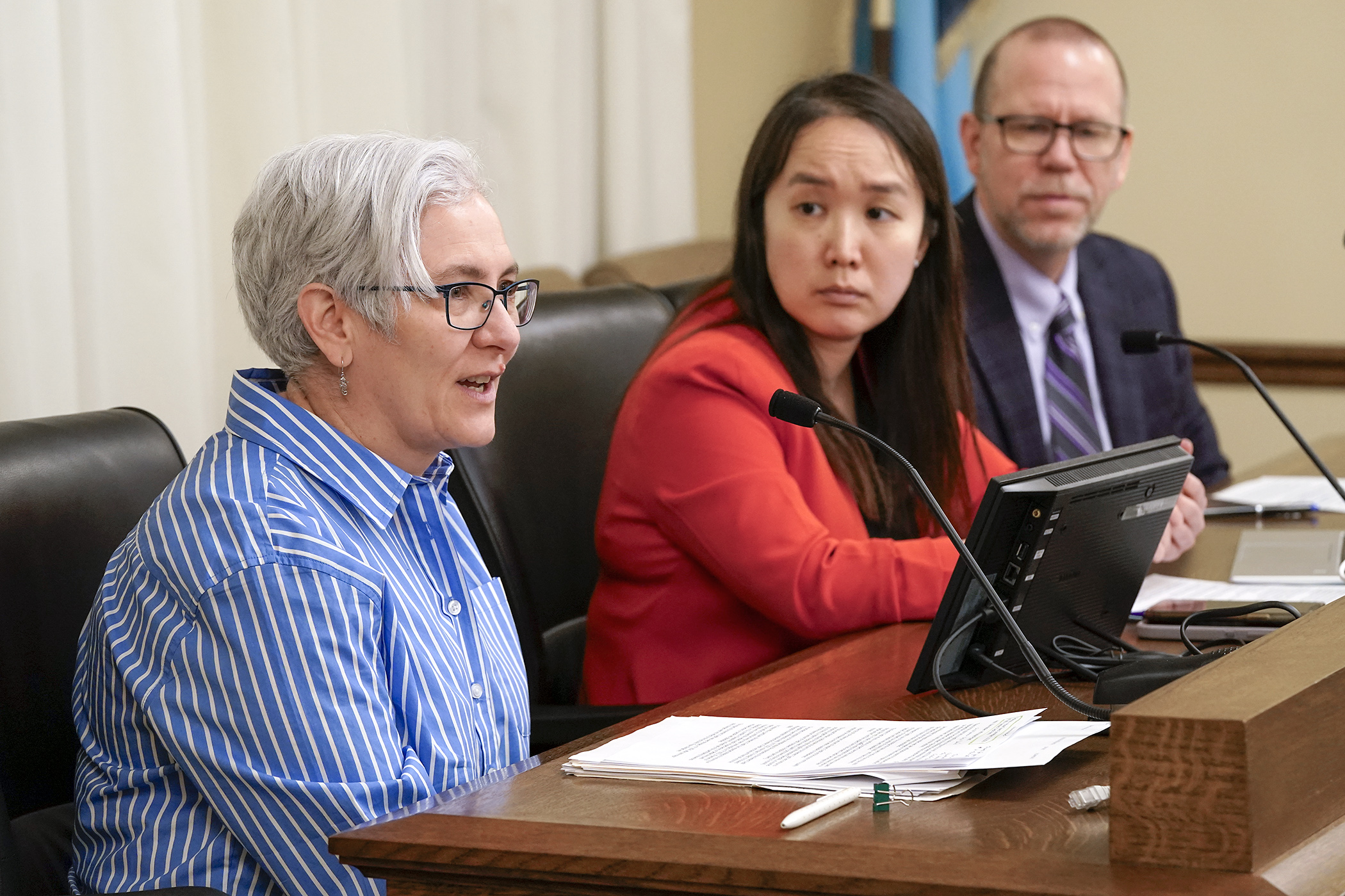
While people who rent their homes have been eligible for a tax credit for more than a century, that credit became a lot more popular last year when it was transformed from a standalone refund program to a refundable income tax credit for which renters applied when filing their income taxes.
Rep. Liz Lee (DFL-St. Paul) thinks it could be larger. That’s why she’s sponsoring HF2499, which would raise the maximum income allowed to claim the credit from the current $79,330 to $145,740, beginning in Tax Year 2026. And the maximum refund — currently at $2,640 — would rise to $3,560, thus causing both the refunds and incomes to correspond to the amounts allowed for the homestead credit refund.
On Tuesday, the House Taxes Committee laid the bill over, as amended, for possible omnibus bill inclusion.
“Last year, over 74,000 more Minnesotans claimed the credit than the year before, just because we made it easier for them to claim something for which they were already eligible,” Lee said. “And we could help even more people by enacting this.”
The renter’s credit is a refundable income tax credit designed to offset property taxes paid by renters, based on the assumption that a portion of rent represents taxes paid by the owner. Under current law, taxpayers with incomes below $79,330 are eligible to claim the credit, with greater maximum refunds available to taxpayers with lower incomes.
The Revenue Department estimates the proposed changes would:
- reduce the General Fund by $68.4 million in Fiscal Year 2027;
- increase the maximum renter’s credit for 35,000 current claimants by an average of $560 in the first year (for a total of $19.4 million); and
- make 80,000 additional renters eligible for the credit, totaling about $49 million.
Rep. Patti Anderson (R-Dellwood) has some issues with the bill.
“I understand the logic of why we have a homeowners property tax credit for low-income folks and I support that,” she said. “But that’s not what this is. This goes all the way up to $150,000.”
“That’s mom and dad each making $75,000 a year,” Lee replied. “That is not being rich, especially with increased gas prices and food prices. It’s getting harder for people to raise families.”
“That $150,000 sounded like a lot in the ‘80s, but now it’s nothing,” said Rep. John Huot (DFL-Rosemount). “I think you’ll see a lot more people stay in the rental market. If we can get them stabilized in that market, it’s a lot easier to bring them up to the homeownership level.”
Related Articles
Search Session Daily
Advanced Search OptionsPriority Dailies
Could 2026 retirements lead to record turnover in the House?
By Lisa Kaczke In the final weeks of the legislative session, House members not seeking re-election to the body have taken a turn at gaveling in a floor session.
It’s an opportunity to loo...
In the final weeks of the legislative session, House members not seeking re-election to the body have taken a turn at gaveling in a floor session.
It’s an opportunity to loo...
How short are the Legislature's short sessions?
By Lisa Kaczke Rep. Ron Kresha (R-Little Falls) was ready to end the session March 25, making the motion to adjourn sine die. But not enough of his colleagues shared that sentiment, defeating ...
