 Minnesota Legislature
Undocumented nonresident students could be ineligible for state financial aid
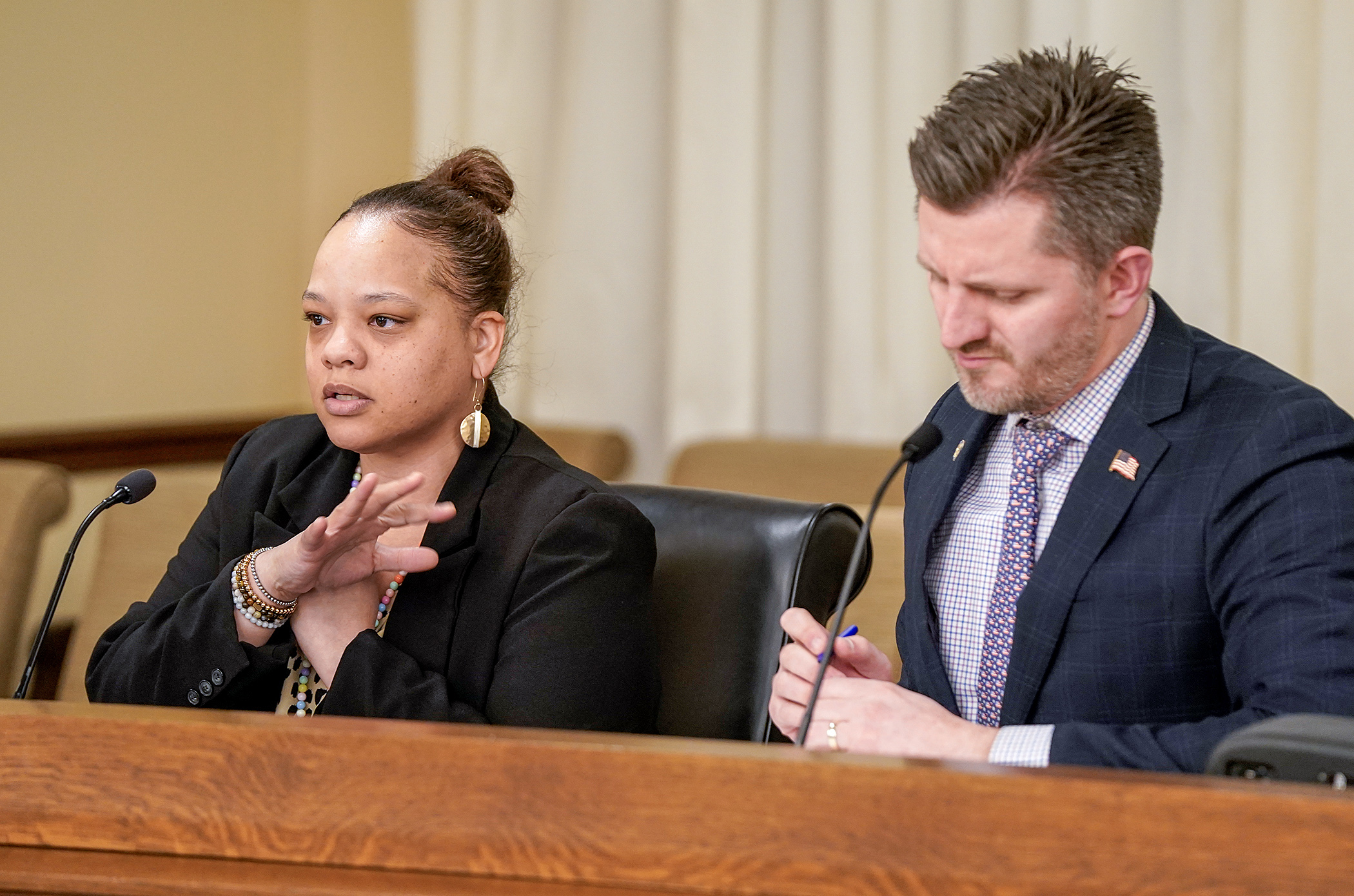
More than 75,000 students received approximately $222 million in Minnesota State Grants in Fiscal Year 2025, including 617 students who received nearly $5 million combined under the Dream Act.
Rep. Isaac Schultz (R–Elmdale Township) believes the state’s limited financial resources should be directed to “citizens and those here legally,” particularly within the Minnesota State Grant program, which is projected to have significant shortfalls in Fiscal Years 2026-27. “Those who have not come here legally are breaking the law, and I don’t think taxpayer funds should go to people who are breaking the law,” he said.
A proposal to change who may receive state-funded higher education aid prompted contentious debate Tuesday before HF1323 was laid over by the House Higher Education Finance and Policy Committee.
Several college students testified that they or their classmates are struggling with rising tuition and student debt. They asked lawmakers to prioritize students with legal status.
“This bill restores a simple and reasonable principle: taxpayer-funded benefits should follow the law and prioritize those who are here legally,” said University of Minnesota student Ashley Davis.
Noting the relatively small percentage of grants going to non-citizens under the Dream Act, Rep. Nathan Coulter (DFL–Bloomington) called the bill “bad money sense and bad policy,” saying it targets students — who may have had no choice in migrating to Minnesota — as they advance their education and contribute to the state.
“We give grants because education is a public benefit to all of us. This is why we invest taxpayer money in this,” added Rep. Tina Liebling (DFL–Rochester).
Rep. Kim Hicks (DFL–Rochester) asked whether individuals seeking Special Immigrant Juvenile Status — many of whom are victims of trafficking and cannot legally work during the multi-year federal process to get legal status — would lose aid. “This bill uses language that doesn’t reflect how immigration law actually works,” she said.
Related Articles
Search Session Daily
Advanced Search OptionsPriority Dailies
Could 2026 retirements lead to record turnover in the House?
By Lisa Kaczke In the final weeks of the legislative session, House members not seeking re-election to the body have taken a turn at gaveling in a floor session.
It’s an opportunity to loo...
In the final weeks of the legislative session, House members not seeking re-election to the body have taken a turn at gaveling in a floor session.
It’s an opportunity to loo...
How short are the Legislature's short sessions?
By Lisa Kaczke Rep. Ron Kresha (R-Little Falls) was ready to end the session March 25, making the motion to adjourn sine die. But not enough of his colleagues shared that sentiment, defeating ...
