 Minnesota Legislature
Lawmakers wrestle with financial aid deficit as they approve higher ed omnibus bill
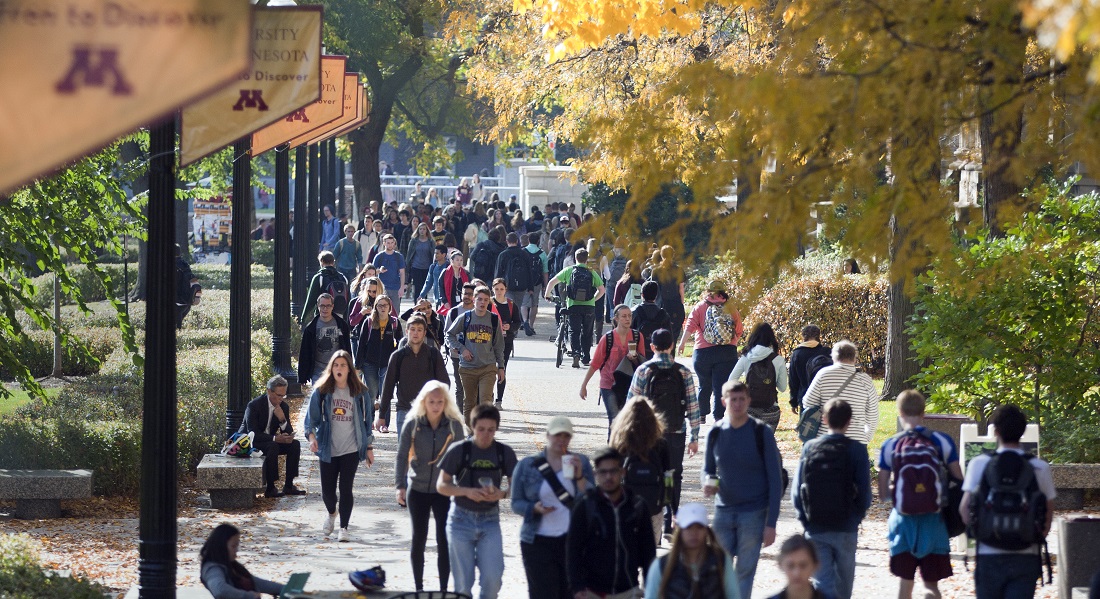
A $130 million shortfall in Minnesota’s State Grant program dominated Thursday’s discussion by the House Higher Education Finance and Policy Committee.
While party debate differed on who to blame, one answer is in the omnibus policy and finance bill approved on a split-voice vote.
Rep. Dan Wolgamott (DFL-St. Cloud) sponsors the amended HF4252 that was sent to the House Ways and Means Committee.
Increased enrollment, higher financial need among students, and especially rising tuition that far outpaces inflation are some reasons for the deficit, said Rep. Nathan Coulter (DFL-Bloomington). In many ways, he said, demand for the grant reflects success. Minnesotans, especially those in lower-income families, are responding to new programs and demonstrating a strong desire for a college education.
But other members, including Rep. Marion Rarick (R-Maple Lake), argued the state did not pair that ambition with sustainable long-term funding.
The approved bill would modify a temporary cap on recognized tuition and fees for four-year institutions. The cap would be set at either the student’s actual tuition and fees or the average among public four-year institutions in Minnesota, whichever is less.
Representatives of the University of Minnesota said that change could effectively add $2,000 to $3,000 to the annual cost of attendance for many students.
William Luther, director of state affairs for the UMN Undergraduate Student Government, said the cap could force students into difficult decisions: taking heavier course loads, transferring, taking additional jobs or, in some cases, dropping out.
Committee members on both sides of the aisle objected to the idea that the responsibility to close the deficit would be disproportionately borne by students at the University of Minnesota or private colleges, running counter to the goal of students attending the school of their choice.
Several amendments aimed at addressing the state grant deficit failed on party-line votes. Failed proposals include appropriating an additional $60 million for the program, eliminating negative Student Aid Index numbers, lowering the income cap for North Star Promise eligibility from $80,000 to $70,000, and barring undocumented noncitizen students from receiving aid.
Also in the bill
Based on HF4608 from Rep. Jon Koznick (R-Lakeville), public postsecondary institutions would be required to clearly explain the difference between developmental and credit-earning courses.
Rep. Bidal Duran (R-Bemidji) had two measures included. One, based on HF3500, would provide $5,000 to reforest the Bemidji State University campus, which suffered severe damage June 2025 derecho. While insurance will cover most building repairs, it does not cover tree replacement.
Another, based on HF4698, would direct $1.5 million to Minnesota State for software to combat fraud involving “ghost students” — individuals who pose as students to obtain software, financial aid or other institutional resources.
Related Articles
Search Session Daily
Advanced Search OptionsPriority Dailies
Could 2026 retirements lead to record turnover in the House?
By Lisa Kaczke In the final weeks of the legislative session, House members not seeking re-election to the body have taken a turn at gaveling in a floor session.
It’s an opportunity to loo...
In the final weeks of the legislative session, House members not seeking re-election to the body have taken a turn at gaveling in a floor session.
It’s an opportunity to loo...
How short are the Legislature's short sessions?
By Lisa Kaczke Rep. Ron Kresha (R-Little Falls) was ready to end the session March 25, making the motion to adjourn sine die. But not enough of his colleagues shared that sentiment, defeating ...
